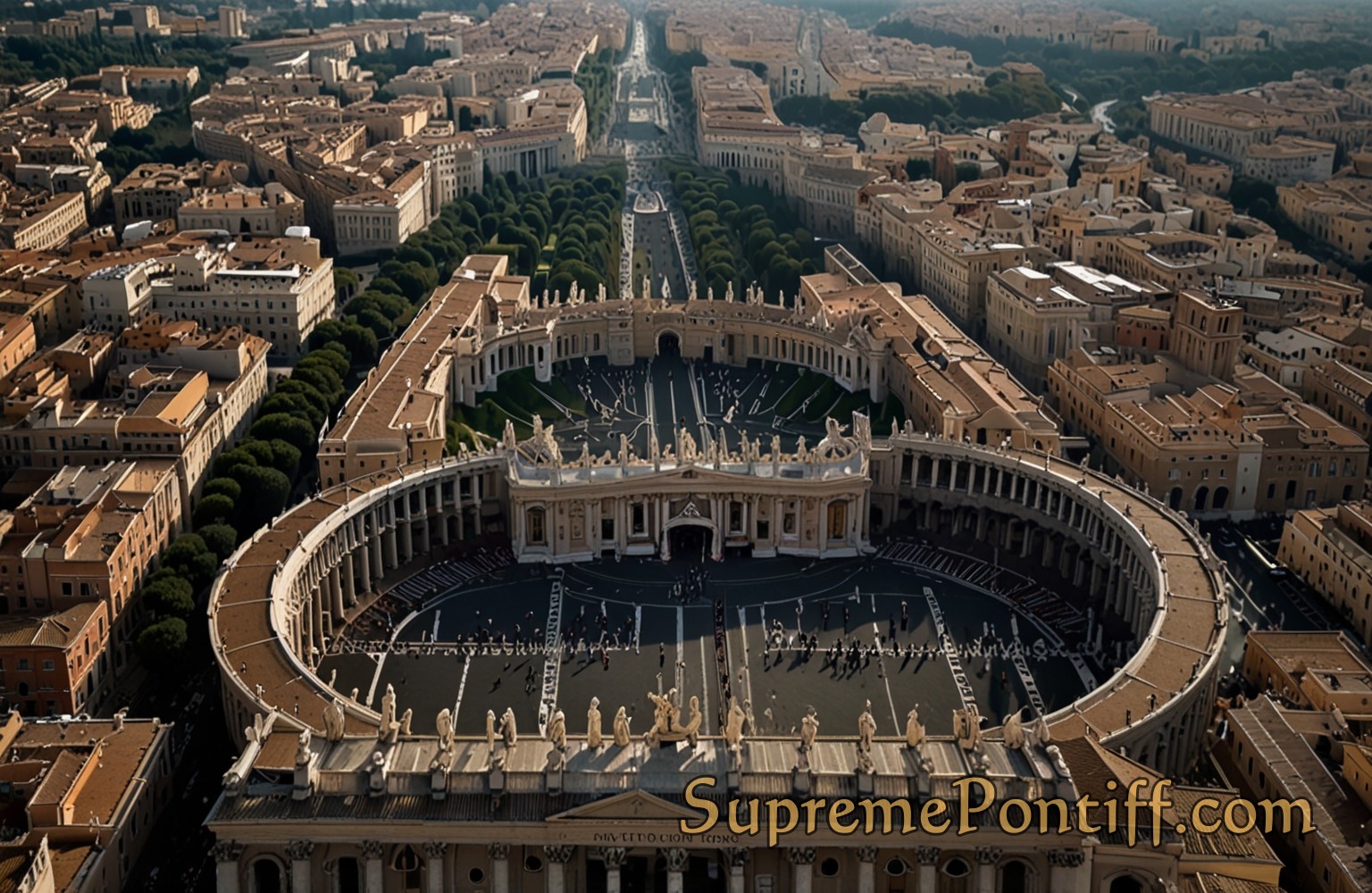
The Vatican, officially known as the Vatican City State, is the smallest independent state in the world by both area and population. Situated within the city of Rome, Italy, it serves as the spiritual and administrative center of the Roman Catholic Church. The Vatican is profoundly significant in terms of religion, culture, and history. This article explores various facets of the Vatican, including its history, governance, cultural impact, and the critical issues it faces.
Historical Overview
The inception of the Vatican dates back to the Roman Empire when it was a marshy area on the western bank of the Tiber River. Its importance grew with the construction of the Basilica over Saint Peter’s grave in the 4th century under Emperor Constantine. Over centuries, this site transformed into a significant pilgrimage site, enhancing its religious significance.
During the Avignon Papacy (1309-1377), when the popes resided in France, the importance of Rome dwindled. However, the return of the Pope to Rome marked a resurgence, leading to the Renaissance embellishment of the city and the construction of the new St. Peter’s Basilica in the 16th century. The Vatican gained independence with the signing of the Lateran Treaty in 1929 under the leadership of Pope Pius XI and Italian leader Benito Mussolini, establishing it as a sovereign nation.
Governance and Organization
The Vatican is an elective, ecclesiastical monarchy, with the Pope at its head. The Pope holds supreme legislative, executive, and judicial power over the Vatican City. The governance of the Vatican is also supported by the Roman Curia, which helps the Pope administer the global affairs of the Catholic Church. The Vatican City is distinct for its non-commercial economy, reliant almost entirely on contributions from the world’s 1.2 billion Roman Catholics, museum admissions, and sales of postage stamps, publications, and souvenirs.
Cultural and Architectural Heritage
The Vatican is renowned for its remarkable art and architecture, which attract millions of visitors each year. The Vatican Museums are home to an immense collection of art including classical sculptures, Renaissance masterpieces, and Etruscan artifacts. The Sistine Chapel, famous for Michelangelo’s ceiling and The Last Judgment, is a cornerstone of art history and a functioning chapel.
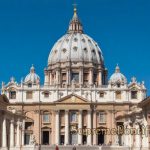
St. Peter’s Basilica, another architectural marvel, stands over the traditional site of St. Peter’s tomb. Designed principally by Donato Bramante, Michelangelo, and Gian Lorenzo Bernini, the basilica embodies the essence of Renaissance and Baroque art and architecture.
Modern Issues and Challenges
The Vatican has not been without its controversies and challenges, especially regarding global sexual abuse claims against clergy members. These scandals have prompted the Vatican to implement measures to handle accusations more transparently and responsibly, albeit amid much critique and demands for more significant reforms.
Financial management has also been a contentious issue, with allegations of corruption and mismanagement of funds. In response, recent Popes have initiated reforms to enhance transparency and accountability in the Vatican’s financial operations.
Ecumenical Relations and Humanitarian Efforts
Beyond its administrative functions, the Vatican plays a crucial role in worldwide ecumenical relations aiming to promote unity among Christian denominations. Moreover, the Vatican has a strong history of humanitarian efforts, often being one of the first institutions to respond to global crises with aid and support.
Conclusion
As a city-state and the nucleus of the Roman Catholic Church, the Vatican’s influence extends beyond its diminutive physical size. From its rich history and cultural significance to its role in modern religious affairs and global diplomacy, the Vatican remains a focal point for over a billion Catholics around the world and continues to fascinate and inspire millions of visitors with its artistic and spiritual heritage.

Leave a Reply