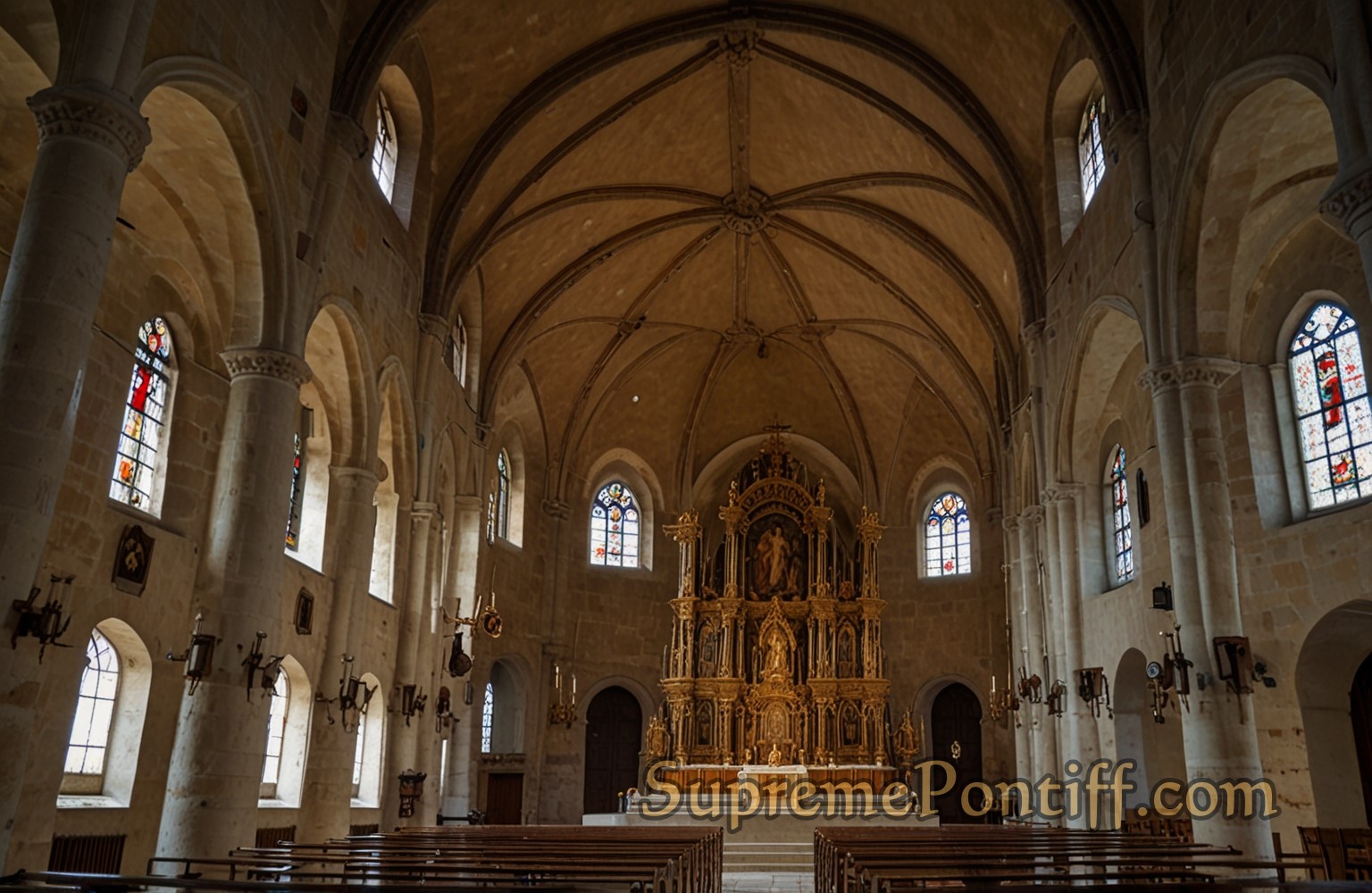
The Catholic Church, often referred to as the Roman Catholic Church, stands as the largest Christian denomination in the world, with over 1.4 billion adherents spanning every continent. It holds a storied and vital place in the tapestry of global history, faith, and culture. From its early beginnings in the first century to its influential presence in modern society, the Catholic Church has remained deeply committed to living out Christ’s teachings and serving as a beacon of hope for believers everywhere. Below is an in-depth look at the Church’s history, core beliefs, key teachings, and its evolving role in the contemporary world.
1. Historical Foundations of the Catholic Church
- Biblical Roots and Apostolic Succession: The Catholic Church traces its origins to Jesus Christ, who selected His Apostles as the early leaders of the Christian community. Catholics believe that the Apostle Peter was given special authority as the “Rock” on which the Church would be built, making him the first pope in a line of papal succession. This principle is known as Apostolic Succession, ensuring that each pope inherits spiritual leadership directly from the Apostles.
- Early Church to Constantine’s Conversion: In the early centuries, Christians faced persecution across the Roman Empire. After Emperor Constantine’s Edict of Milan in the fourth century, Christianity moved from a persecuted sect to the favored religion of the empire. During this era, the Church convened the first ecumenical councils, such as Nicaea (325 AD) and Constantinople (381 AD), which shaped foundational doctrines and creeds.
- The Middle Ages and Further Growth: Throughout the medieval period, the Catholic Church was inseparable from the fabric of European life. Monasteries preserved ancient texts, provided education, and offered spiritual guidance. The establishment of universities and the growth of scholarly thought were closely tied to Catholic learning centers, culminating in rich intellectual traditions.
- Reformation to the Modern Age: The 16th-century Protestant Reformation posed one of the greatest challenges to Catholic unity. In response, the Council of Trent (1545–1563) reaffirmed core teachings and reformed if needed certain internal practices. Centuries later, the Second Vatican Council (1962–1965) introduced significant modern reforms, bringing the Church closer in dialogue with other Christian denominations and the broader world. Today, the Church continues to uphold its apostolic heritage while engaging with contemporary societal issues under the leadership of the pope.
2. Core Beliefs of the Catholic Church
- The Holy Trinity: Central to the Christian faith, the Catholic Church professes belief in one God in three Persons — Father, Son, and Holy Spirit — coequal and coeternal. This mystery is foundational to all other Catholic teachings.
- The Incarnation and Redemption: Catholics believe that Jesus Christ, fully God and fully man, died on the Cross to redeem humanity from sin, opening the path to eternal salvation. His resurrection confirms the promise of new life for believers.
- The Church as “One, Holy, Catholic, and Apostolic”: The Nicene Creed states these “Four Marks” of the true Church. “One” signifies unity in faith; “Holy” reflects the Church’s sacred mission; “Catholic” underscores its universal reach; and “Apostolic” links modern-day worshippers directly to the Apostles.
- Marian Devotion and Veneration of Saints: Catholics hold a special devotion to the Blessed Virgin Mary as the Mother of God, honoring her unique role in salvation history. Additionally, they venerate saints — exemplary men and women of faith — and believe the saints continue to intercede for the faithful in heaven.
3. Key Teachings and Sacramental Life
- The Seven Sacraments: At the heart of Catholic practice are the seven sacraments — Baptism, Confirmation, Eucharist, Reconciliation (Confession), Anointing of the Sick, Holy Orders, and Matrimony. Each sacrament is a channel of divine grace, given to foster spiritual growth and strengthen believers in their walk with Christ.
- The Eucharist (Holy Communion): Considered “the source and summit of the Christian life,” the Eucharist is believed to be the real presence of Jesus Christ under the appearances of bread and wine. This sacrament unites the faithful intimately with Christ and with one another.
- The Moral Teachings: Guided by both Sacred Scripture and Sacred Tradition, the Church’s magisterium (the teaching authority of the pope and bishops) lays out moral principles rooted in the Ten Commandments, the Beatitudes, and the teachings of Jesus. Catholics are called to uphold the sanctity of human life, the dignity of marriage and family, and the pursuit of social justice.
- The Catechism: The Catechism of the Catholic Church organizes and explains the beliefs of the faithful, detailing liturgy, prayer, and moral living. It serves as a comprehensive guide for teaching and disseminating Catholic doctrine.
4. Modern Role and Global Influence
- Social Justice and Humanitarian Efforts: True to Christ’s universal mission, the Catholic Church is one of the world’s leading charitable institutions. Catholic charities and organizations address poverty, advocate for refugees, provide healthcare, and support education in countless regions. Through Catholic Relief Services and various missionary societies, the Church works tirelessly to care for the marginalized.
- Contributions to Education and Healthcare: Historically, the Catholic Church has played a pivotal role in establishing schools, universities, and hospitals. Even today, it continues to manage large networks of Catholic schools and healthcare facilities across the globe, aiming to provide holistic services with compassion and moral integrity.
- Ecumenism and Interfaith Dialogue: Since Vatican II, popes and bishops have fostered relationships with other Christian denominations and world religions. This dialogue aims to strengthen unity among all who profess faith in Christ and to promote mutual understanding, peace, and respect among all faith communities.
- Moral and Ethical Leadership: In the 21st century, the pope and the bishops advocate on pressing global challenges, including environmental stewardship, the sanctity of life, inequality, and the defense of religious liberty. From battling modern slavery and human trafficking to championing the rights of migrants, the Church strives to be a prophetic voice guided by the Gospel message.
5. Upholding the Mission of Christ
The Catholic Church, guided by the Holy Spirit and anchored in the living tradition passed down from the Apostles, seeks to fulfill its mission of evangelization and service. Through worship, prayer, community engagement, and global outreach, Catholics are continually encouraged to grow in holiness, proclaim the Gospel message, and bring about the kingdom of God on earth.
Conclusion
The Catholic Church’s legacy of faith, service, and cultural influence spans two millennia, rooted in the conviction that Jesus Christ established it as a means of salvation for all people. Its longstanding traditions — such as the celebration of the sacraments — stand alongside modern efforts to address today’s social and moral challenges. Grounded in prayer, guided by the pope and bishops, and buoyed by Jesus’ promise that “the gates of hell shall not prevail against it,” the Church remains a powerful force for unity, compassion, and spiritual renewal for countless believers worldwide. Through the grace imparted by Christ, its mission continues to be one of unwavering hope and transformation, calling all people to share in the abundant love of God.
Leave a Reply