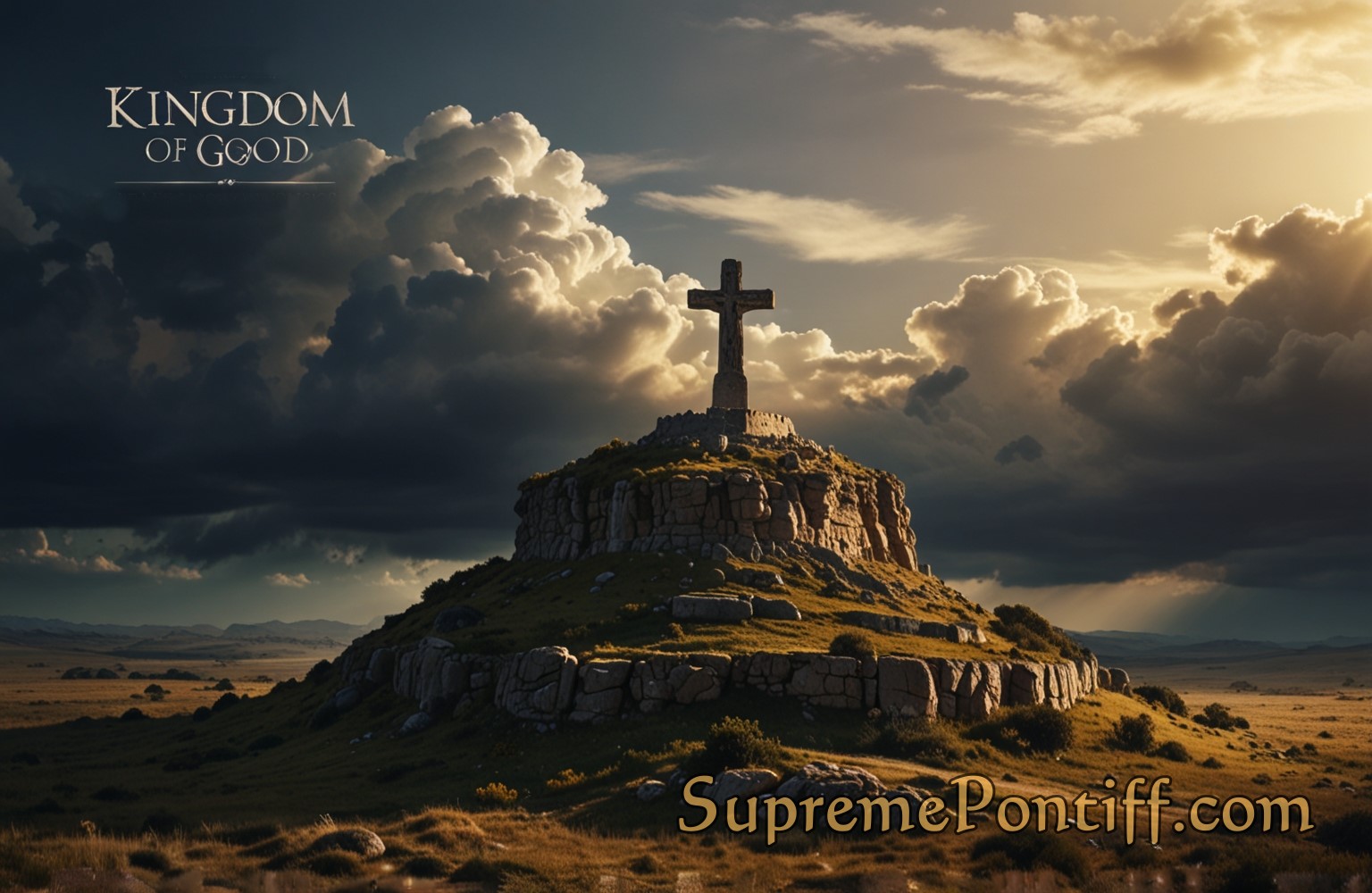
The Kingdom of God stands as a central theme throughout Christianity, embodying the ultimate manifestation of God’s will on earth as it is in heaven. This concept, rich in theological significance and prophetic hope, offers profound insights and guidance on the Christian way of life and God’s sovereign rule over all creation. Understanding the Kingdom of God involves both a recognition of its present reality and a hopeful anticipation of its complete fulfillment in the future. This thorough exploration into the Kingdom of God aims to unfold its intricacies, celebrate its presence, and incite a deeper commitment to its values underpinned by a Christian perspective.
Biblical Foundations
The Old Testament sets the stage for the Kingdom of God, using imagery of God’s reign and dominion to describe His sovereignty over the world. The Psalms, for instance, are replete with declarations of God’s kingdom and rule. In the prophetic books, the theme of God’s kingdom intertwines with the messianic expectations of Israel, foretelling a time when God would restore Israel and establish His everlasting rule of peace and justice.
The New Testament amplifies this concept significantly, with Jesus Christ at the heart of its proclamation. Jesus commenced His public ministry with the declaration that the kingdom of God was at hand, urging repentance and faith in the Gospel. The Kingdom of God, as preached by Jesus, was both a present reality and a future hope, revealed through His teachings, miracles, and parables.
The Present Reality of the Kingdom
Jesus’ miracles and exorcisms demonstrated the Kingdom of God actively breaking into human history, overpowering the forces of evil and suffering. By healing the sick and casting out demons, Jesus showcased the kingdom’s present power and compassion, signaling the restoration of creation and humanity to its intended wholeness and harmony with God’s will.
Moreover, through parables, Jesus elucidated the Kingdom’s principles and realities. Parables such as the Mustard Seed and the Leaven highlight the Kingdom’s initially unassuming yet ultimately pervasive and transformative nature. Therefore, the Kingdom of God is not perceived through ostentation but through the transformative work of God’s Spirit in individual lives and communities dedicated to living out Jesus’ teachings.
The Future Fulfillment of the Kingdom
While the Kingdom of God is a present reality, it is not yet fully realized. Scripture teaches that we live in the “already but not yet” tension, where the Kingdom has been inaugurated by Christ but will be consummated in the future when He returns. This eschatological aspect of the Kingdom provides Christians with a profound hope that God will right all wrongs, end all suffering, and establish His perfect reign of peace and justice forever.
In the book of Revelation, apocalyptic visions reveal the eventual triumph of God’s Kingdom, where a new heaven and a new earth will replace the old, free from sin, death, and pain. The perennial hope for this ultimate renewal motivates Christian ethical behavior and sustains believers through trials and tribulations.
Living in the Kingdom
Believers are called to live as citizens of the Kingdom of God, which involves embodying Kingdom values in the here and now. This entails a life marked by love, justice, mercy, and humility, following the radical example set by Jesus. Christians are thus ambassadors of the Kingdom, tasked with spreading its message and living out its ethics, which stand often in stark contrast to worldly values.
The Church, as the community of believers, functions as the provisional representation of God’s Kingdom on earth, tasked with manifesting the principles of the Kingdom in its worship, community life, and mission. Through its presence and actions, the Church witnesses to the Kingdom’s reality and invites others to enter into its promise and hope.
Conclusion
The Kingdom of God is a profound and essential aspect of Christian theology and life, encapsulating the breadth of God’s plans and purposes for humanity and creation. It challenges, comforts, and compels those who embrace it to live in anticipation of the full realization of God’s perfect reign. By understanding and committing to the values of the Kingdom, believers bear witness to the transformative power of the Gospel and the loving sovereignty of God over all life. In essence, the Kingdom of God is the heartbeat of Christian faith and the ultimate fulfillment of God’s loving and righteous dominion over all.


Leave a Reply