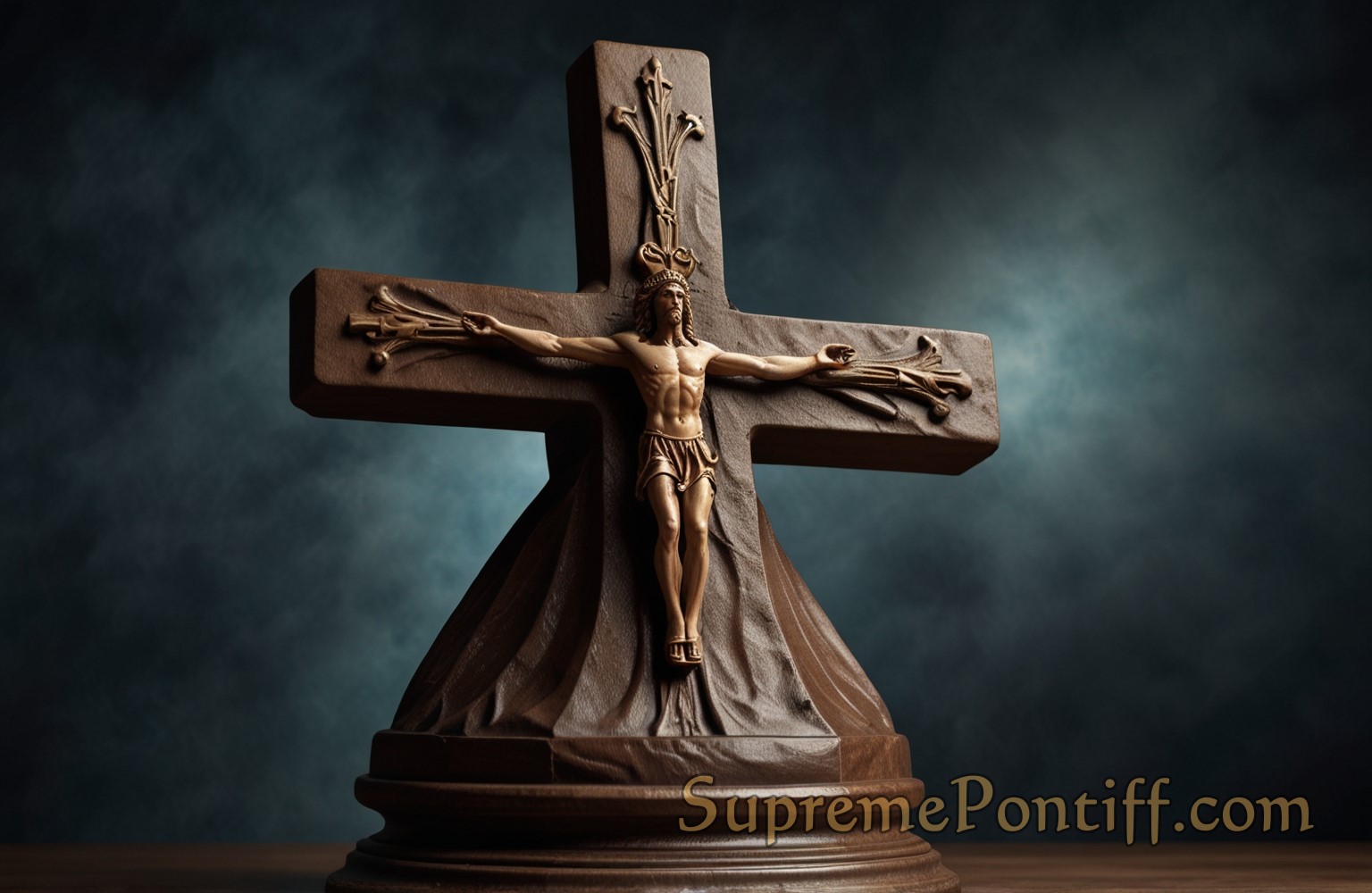
Christianity, as a major world religion, encompasses a wide array of beliefs and doctrines that have evolved and diversified through the centuries. Founded on the teachings of Jesus Christ, Christian beliefs form the foundational fabric of numerous denominational practices and theological interpretations. This article aims to explore the fundamental tenets of Christian faith, delving into the core doctrines and their expressions across various branches of Christianity.
1. Fundamental Christian Doctrines
a. The Nature of God and the Trinity
At the heart of Christian theology is the belief in one God, who exists in three distinct but co-equal persons: the Father, the Son (Jesus Christ), and the Holy Spirit. This doctrine, known as the Trinity, is crucial and distinctive to most Christian denominations, although it is understood and interpreted in varied ways across different faith traditions.
b. The Incarnation of Jesus Christ
Christians universally affirm that Jesus Christ is the Son of God, fully divine and fully human. This belief in the incarnation holds that Jesus, God the Son, took on human flesh, born of the Virgin Mary, and lived among humanity. His life, death, and resurrection are seen as the pivotal event for salvation, offering redemption and reconciliation with God.
c. Salvation and Grace
Salvation in Christian belief is the process by which humans are saved from sin and its spiritual consequences. Central to Christian teaching is the concept of grace, a gratuitous gift from God that cannot be earned through human efforts but is given freely through faith in Jesus Christ. This leads to varying doctrines of how salvation is obtained and what it entails in a believer’s life, often differing significantly across denominations.
d. The Authority of Scripture
The Bible, comprising the Old and New Testaments, is revered as the written word of God and holds primary authority in Christian life and doctrine. Interpretations of Scripture‘s infallibility and how it should be used in personal and ecclesiastical contexts vary. Protestant denominations typically emphasize “sola scriptura” (Scripture alone) as the basis for all teachings, whereas Catholics and Orthodox Christians also place strong emphasis on church traditions and teachings (Magisterium or Holy Tradition).
2. Sacraments and Ordinances
Sacraments are rites believed to be instituted by Christ that confer grace upon the believer. Common sacraments across various denominations include:
a. Baptism
Nearly all denominations practice baptism, although the mode (infant vs. believer’s baptism) and means (immersion, pouring, or sprinkling) can differ. Baptism is generally understood as the rite of initiation into the Christian community and a symbol of new life in Christ.
b. Eucharist (Communion)
The Eucharist is a sacrament commemorating Christ’s Last Supper with His disciples, involving the partaking of bread and wine as symbols of Jesus’ body and blood. The theological implications (transubstantiation in Catholicism vs. symbolic presence in many Protestant churches) and frequency of observance vary widely.
3. Eschatology: Beliefs about the End Times
Christian eschatology deals with the ultimate destiny of souls and the Second Coming of Christ. Common beliefs include the resurrection of the dead, a final judgment, and the establishment of a new heaven and earth. Views on the millennium (Christ’s thousand-year reign) and tribulation differ, particularly among Evangelical and mainline Protestant denominations.
4. Moral and Ethical Teachings
Christian morality is deeply rooted in the teachings of Jesus, especially the Sermon on the Mount, which includes the Beatitudes and the Golden Rule (“do unto others as you would have them do unto you“). Ethical teachings cover a wide range of issues from social justice and peace to personal integrity and marital fidelity.
5. Variations Across Denominations
While the aforementioned beliefs form a common groundwork, nuances exist among major Christian groups:
- Roman Catholicism: Emphasizes the authority of the Pope, veneration of Mary and the saints, and the importance of sacramental grace.
- Eastern Orthodoxy: Focuses on mysticism, theosis (divinization), and liturgical tradition.
- Protestantism: Covers a broad spectrum but generally stresses justification by faith, the priesthood of all believers, and individual interpretation of Scriptures.
Conclusion
Christian beliefs form a complex tapestry of faith that has adapted to various cultural, historical, and theological contexts. Despite differences among denominations, at its core, Christianity seeks to foster a relationship between humanity and the divine through the life, death, and resurrection of Jesus Christ. Through its teachings, Christianity aims to transform individual lives and communities by emphasizing love, redemption, and reconciliation.

Leave a Reply