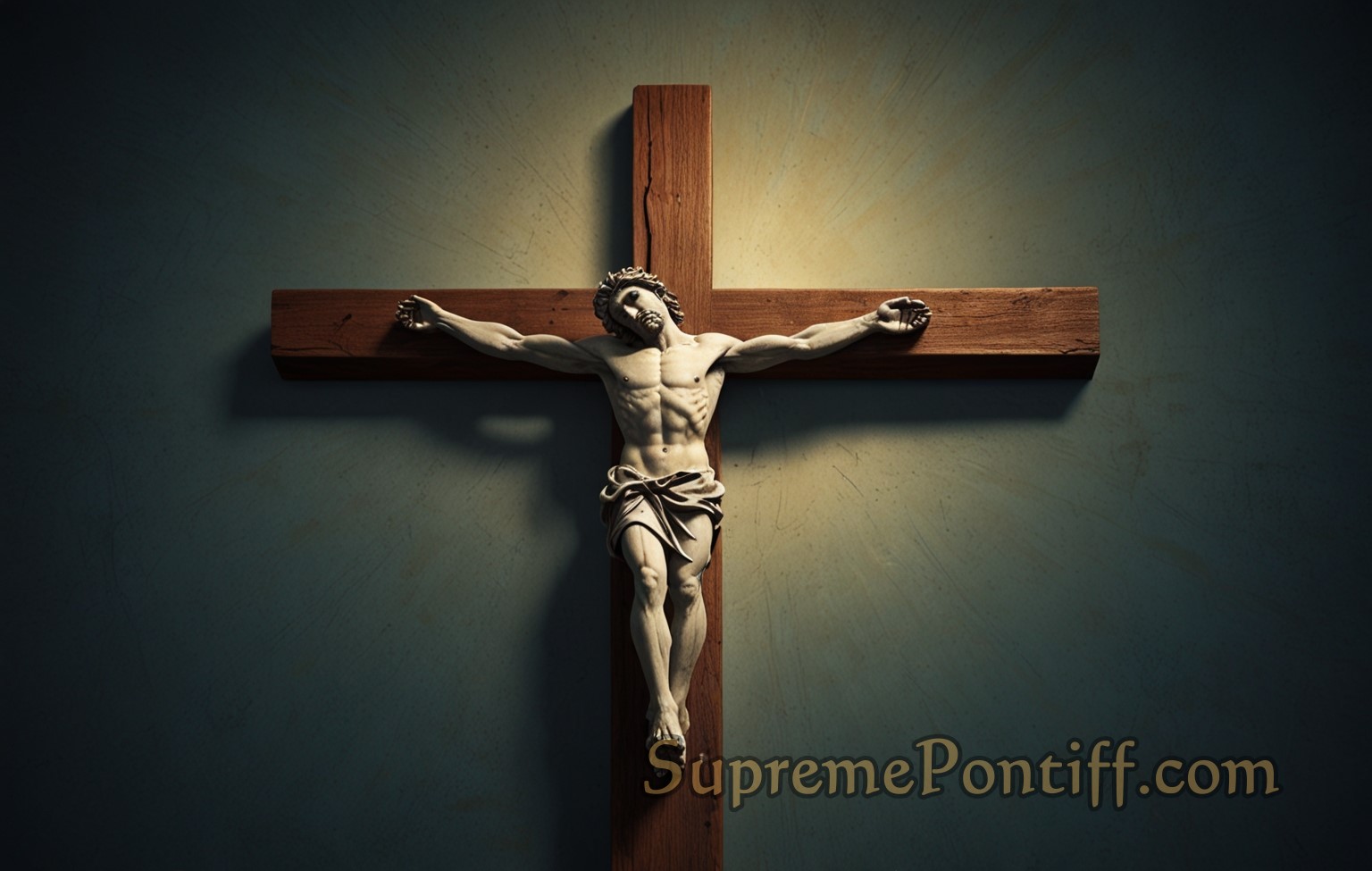
Christian Faith is a profound and life-changing commitment that extends far beyond attending church services or following moral precepts. At its heart, the Christian Faith is centered on a transformative relationship with God through Jesus Christ, guided and empowered by the Holy Spirit. This relationship calls believers to a life of love and forgiveness — core values deeply rooted in biblical teachings. The following article delves into the enduring principles, history, and modern relevance of Christian Faith, with special emphasis on the call to love and forgiveness.
1. Historical Foundations of the Christian Faith
a. The Early Church and Apostolic Traditions
Christianity began in the first century AD with Jesus of Nazareth — His life, ministry, crucifixion, and resurrection. Early believers, often referred to as the Early Church, gathered in private homes to worship God, share the stories of Jesus, and care for one another. Underlining this fellowship was a commitment to love and compassion, key elements that remain critical to Christian Faith today.
b. Development of Doctrine and the Bible
As the Christian community grew, church leaders sought to preserve accurate teachings about Jesus. The Bible, consisting of the Old Testament and the New Testament, was recognized as Scripture and became the primary source for Christian doctrine. While the Old Testament lays the groundwork of God’s relationship with humanity, the New Testament reveals God’s ultimate plan of redemption. It is here that love and forgiveness achieve their fullest expression — in the life and sacrifice of Jesus Christ, whose mission was to reconcile humanity with God.
2. Core Christian Beliefs and the Central Role of Jesus Christ
a. Salvation and God’s Grace
Christian Faith teaches that human beings are separated from God by sin, and only through God’s grace can this gap be bridged. Jesus Christ, wholly divine and wholly human, offered Himself as the perfect sacrifice for sins. Believers hold that salvation — eternal life and restored fellowship with God — is a free gift that one receives through genuine faith in Jesus. This unearned favor, or grace, stands at the heart of the Christian message.
b. The Trinity
A cornerstone of Christian tradition is the belief in one God in three persons — Father, Son, and Holy Spirit. Though the word “Trinity” does not appear in the Bible, it expresses the scriptural depiction of God who is simultaneously transcendent Father, redeeming Son, and indwelling Holy Spirit. This theological framework underpins Christian worship, prayer, and community life.
c. The Great Commandment
Jesus summarized the entirety of God’s law in the Great Commandment: “Love the Lord your God with all your heart, soul, mind, and strength, and love your neighbor as yourself” (Mark 12:30–31). This twofold commandment underscores how Christian Faith calls believers to prioritize both their relationship with God and their relationships with others. It is the direct and timeless invitation to show compassion, mercy, and forgiveness.
3. The Call to Love and Forgiveness
a. Love as a Defining Mark of Christian Faith
Christians believe that “God is love” (1 John 4:8), and therefore, every aspect of the Christian life must be infused with love. This principle forms the basis of countless Christian ministries dedicated to charity, social justice, and community building. Serving the needy, comforting the afflicted, and advocating for the vulnerable are not merely humanitarian acts but obedience to the imperative of love modeled by Jesus Himself.
b. Forgiveness as a Liberating Practice
Forgiveness stands as another vital element of Christian Faith. In the Lord’s Prayer, Jesus taught His followers to forgive others just as God forgives them. While letting go of resentment and extending grace can be challenging, Christians recognize that by doing so, they mirror God’s mercy toward humanity. Forgiveness is therefore both a command and a reflection of the transformative power of the Holy Spirit at work within a believer’s heart.
c. Practical Applications in Daily Living
In a world marked by conflict, hostility, and broken relationships, the Christian call to love and forgiveness holds tremendous relevance. Practical outworkings include mending family rifts, breaking cycles of retaliation, and fostering peace in workplaces, neighborhoods, and congregations. Christian communities frequently emphasize restorative justice, conflict resolution, and reconciliation, guided by biblical principles.
4. Diversity of Expression within the Global Christian Community
a. Denominational Varieties
While Christians around the globe share core doctrines — such as the divinity of Christ and His resurrection — there are diverse ways of practicing the faith. Denominations, including Catholic, Orthodox, Protestant, and Evangelical traditions, have varying liturgical styles and theological emphases. Yet they remain united in proclaiming the central message of salvation in Jesus Christ and upholding love and forgiveness as a defining characteristic.
b. Cultural Expressions and Mission
From African praise choruses to Eastern Orthodox iconography, global Christianity reflects a rich tapestry of cultural engagement. Mission work, both domestic and international, frequently revolves around healthcare, education, and community development, propelled by the desire to reflect Christ’s love. These endeavors are not merely social services; they are powerful expressions of faith put into action.
5. Modern Relevance of Christian Faith
a. Addressing Social Issues
Christian organizations worldwide are at the forefront of addressing social problems: poverty, homelessness, human trafficking, and environmental stewardship. Believers approach these challenges guided by biblical principles of justice, compassion, and stewardship of God’s creation. Love compels them to alleviate suffering, while forgiveness fosters dialogue and reconciliation across societal divides.
b. Personal Transformation
Many individuals testify to profound personal change upon embracing the Christian Faith — freedom from destructive habits, renewal of purpose, and restoration of broken relationships. Christian counseling ministries and support groups also integrate prayer, Scripture, and community accountability to help individuals grow in emotional and spiritual health.
c. Hope for the Future
One of the most defining features of Christianity is its message of ultimate hope. Believers trust God’s promise that, because of Christ’s resurrection, death is not the end. This conviction brings comfort amid life’s uncertainties, imbuing daily challenges with an eternal perspective. The belief in a future “new heaven and new earth” (Revelation 21:1) reinforces the Christian commitment to live responsibly and compassionately here and now.
Conclusion
Christian Faith is a vibrant, transformative, and hope-filled commitment that has shaped human history and continues to offer relevant answers for today’s world. Rooted in the teachings of Jesus Christ, it emphasizes salvation through grace, devotion to God, and loving one’s neighbor as oneself — values that echo in acts of service and community life throughout centuries. Above all, the call to love and forgiveness remains its shining cornerstone, inviting believers everywhere to mirror God’s boundless mercy and compassion. By understanding the foundational truths of Christian Faith and putting them into practice, Christians bring a life-giving hope that can renew hearts, heal relationships, and foster a flourishing society.




Leave a Reply