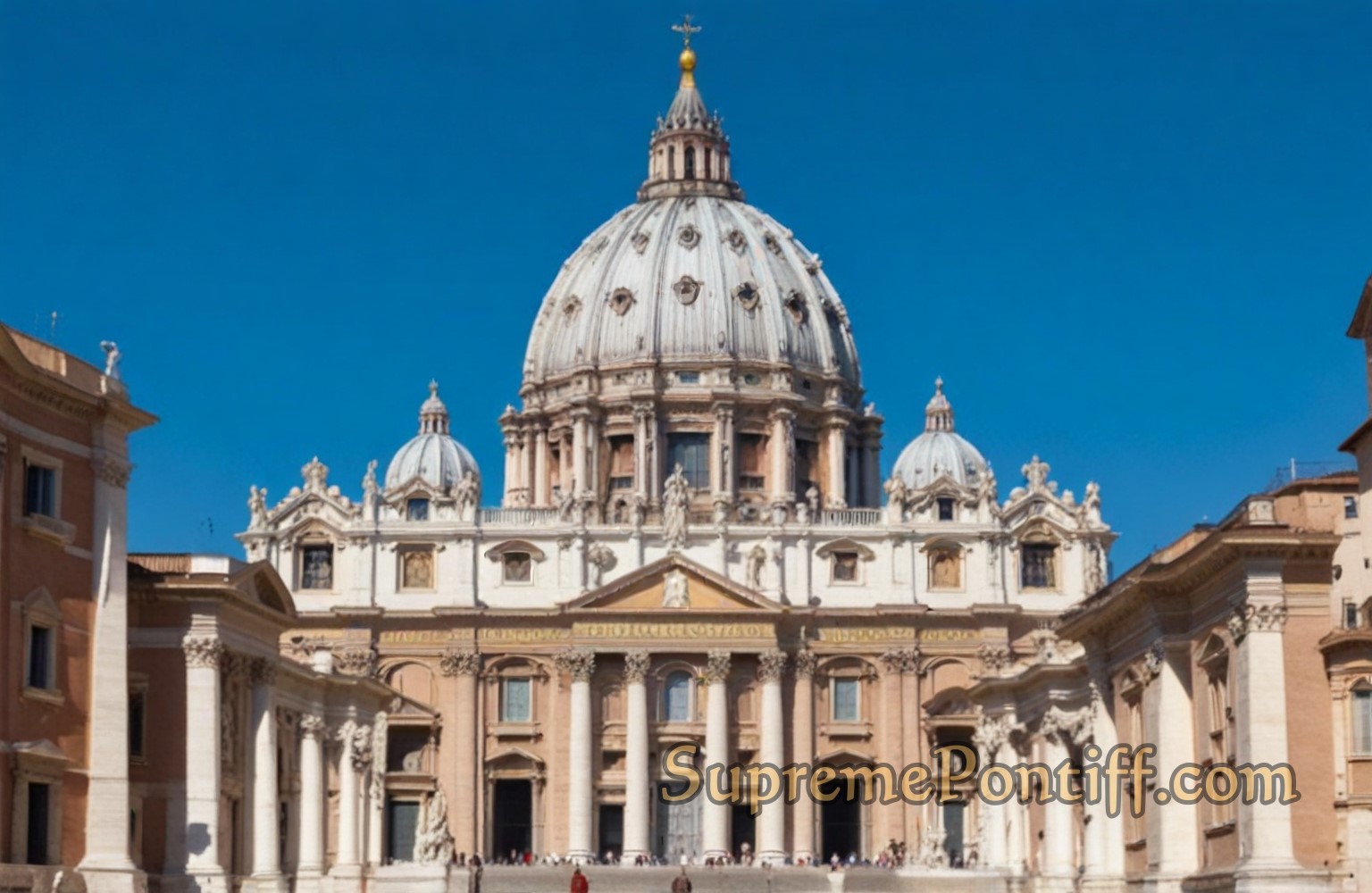
Tucked away in the heart of the Vatican City, St. Peter’s Basilica stands as a majestic monument to Christianity’s rich heritage and unwavering faith. As the largest Christian church in the world and one of the holiest sites in all of Christendom,, this iconic edifice is a beacon of hope, spirituality, and architectural excellence. The monumental basilica not only pays homage to the rich heritage of Christianity but also serves as a powerful testament to the abiding presence of God in the world. Drawing countless pilgrims and visitors every year, St. Peter’s Basilica illuminates the vital role that faith, art, and architecture have played in shaping Christian history and spirituality.
1. Historical Background
a) The Original Basilica (4th Century)
The roots of St. Peter’s Basilica can be traced back to the early 4th century, when Emperor Constantine, the first Roman emperor to embrace Christianity, commissioned a church to be built over what was believed to be the tomb of the Apostle Peter. This original structure served for nearly 1,200 years as a beacon of Christian faith. Over time, however, the need for a more robust and magnificent building became apparent.
b) Renaissance Reconstruction
In the early 16th century, Pope Julius II initiated a grand project to rebuild the basilica. This undertaking signified not only the spiritual importance of the site but also the Church’s commitment to glorifying God through art and architecture. Prominent architects of the era, including Donato Bramante, Michelangelo, Carlo Maderno, and Gian Lorenzo Bernini, each left a distinctive mark on the design. The result was a harmonious blend of Renaissance and Baroque styles that today stands as an extraordinary testimony to Christian faith.
2. Architectural Brilliance
a) The Dome by Michelangelo
Michelangelo’s majestic dome is one of the most iconic elements of St. Peter’s Basilica. Rising to a height of approximately 136 meters (446 feet) from the floor to the top of the external cross, the dome not only dominates the Roman skyline, but it also symbolizes the spiritual aspiration of believers to reach heaven. Walking beneath this colossal dome, pilgrims are often moved by a sense of wonder, reminding them of the greatness of God’s creation.
b) Bernini’s Baldaquin and the Central Altar
Located directly beneath the dome is Bernini’s masterful bronze baldachin (also referred to as the baldaquin or canopy), a richly decorated structure that marks the central altar of St. Peter’s Basilica. It is designed to highlight the sacred spot revered as the burial place of St. Peter, emphasizing both continuity with apostolic tradition and the foundation of the Catholic Church upon the rock of Peter’s confession of faith (Matthew 16:18). The swirling columns and upward flow of the bronze canopy lead the eye toward Michelangelo’s dome, forging a spiritual connection between heaven and earth.
c) Nave, Statues, and Chapels
Spanning 186 meters (610 feet) in length, the basilica’s nave exudes a powerful sense of sacred space. Throughout these soaring interiors, numerous chapels, statues, and devotional altars each tell their own story of Christian faith and stewardship. The works of revered artists like Bernini, Michelangelo, and others illustrate the dedication of believers who sought to glorify God through art and craftsmanship, culminating in a sacred environment that calls for reverence, prayer, and reflection.
3. Spiritual Significance and Devotion
a) Tomb of St. Peter
According to longstanding Christian tradition, the apostle Peter, to whom Christ entrusted the “keys of the kingdom of heaven,” was martyred in Rome and buried beneath where the basilica now stands. This founding narrative underscores the divine authority and lineage of the PAPAL office and imbues St. Peter’s Basilica with profound spiritual significance. The faithful throng to this holy site to pray at St. Peter’s tomb, experiencing a tangible connection to the apostolic Church and the teachings of Jesus Christ.
b) Papal Functions
St. Peter’s Basilica is first and foremost a place of liturgical worship and is intimately linked to the papal ministry. Grand ceremonies presided over by the Pope, including canonizations, major feasts, and solemn liturgies, reinforce the church’s role as the spiritual heart of Catholicism. The basilica’s spacious interior and its unparalleled historical gravitas make it the ideal venue for these dignified gatherings that bring believers together from around the world.
c) A Pilgrimage of Faith
For many Christians, visiting St. Peter’s Basilica is both a pilgrimage and a powerful expression of faith. Kneeling in prayer before the sacred altar, venerating the relics of saints, and contemplating the centuries of devotion enshrined in these walls can lead to a transformative spiritual experience. The basilica welcomes believers and tourists alike, inviting them to deepen their relationship with Christ and to honor the memory of St. Peter and the early Christian community.
4. Artistic Treasures and Chapels
a) Michelangelo’s Pietà
Housed in a side chapel is one of Michelangelo’s most poignant sculptures, the Pietà, which portrays the Virgin Mary cradling the body of the crucified Christ. Crafted from a single block of Carrara marble, this masterpiece highlights the depth of Christian faith and the tender compassion of Mary’s maternal devotion. Believers often pause here to reflect on Christ’s sacrifice and to gain new insight into the mystery of salvation.
b) Altar of the Chair of Saint Peter (Cathedra Petri)
Another Bernini triumph, the Altar of the Chair, is a gilded sculpture that encases a wooden throne believed to be used by St. Peter himself. This symbol underscores the idea of apostolic succession and the unbroken thread of leadership from St. Peter through the bishops of Rome, including the present-day Pope. For many Christians, standing in front of the Cathedra Petri is a solemn reminder of the unity and authority entrusted by Christ to the Apostle Peter.
c) Monuments, Mosaics, and More
Beyond these iconic works, St. Peter’s Basilica brims with an assortment of mosaics, inscriptions, and monuments that narrate biblical events, memorialize significant saints, and celebrate the Church’s impact on historically Christian nations. Such artistic treasures encourage continuous exploration and devotion, making each visit an enriching spiritual journey.
5. Preservation and Modern Developments
a) Maintenance and Restoration
Safeguarding this architectural marvel and sacred Christian site requires constant care by the Vatican. Over the years, various restorations have been undertaken, ensuring that St. Peter’s Basilica remains structurally sound and artistically pristine. Conservation efforts also guarantee that future generations of believers will be able to come face to face with these symbols of faith and divine beauty.
b) Accessibility and Facilities
Today, the Vatican works diligently to ensure that St. Peter’s Basilica remains accessible and welcoming to pilgrims and visitors from all backgrounds. Modern facilities, such as well-organized security checks and guided tours, ensure a safe and educational experience. While devout Christians may come primarily to pray and participate in liturgical celebrations, curious travelers also benefit from the culturally rich and historically significant perspectives the basilica offers.
c) Ongoing Relevance
In an ever-changing world, St. Peter’s Basilica stands steadfast as a beacon of faith. Modern pilgrims and tourists alike discover that its centuries-old message of God’s steadfast love and mercy retains its power to inspire hope and unity. New technologies, such as virtual tours and multimedia exhibitions, encourage global audiences to appreciate the beauty and depth of Christian heritage from wherever they may be.
Conclusion
St. Peter’s Basilica in the Vatican endures as a supreme witness to Christian devotion, artistic genius, and religious unity. Rising over the tomb of the Apostle Peter, the basilica speaks profoundly to the constancy of Jesus Christ’s message throughout history. From Michelangelo’s breathtaking dome to Bernini’s masterful sculptures, every inch of this sacred space resonates with the faith-filled determination of countless generations. Whether you come as a pilgrim eager to deepen your personal devotion or simply as a captivated admirer of world-renowned art, St. Peter’s Basilica cannot fail to impress upon you a sense of the sacred. Immersing yourself in the basilica’s long and storied history is a reminder that the timeless message of love, grace, and salvation through Jesus Christ remains at the heart of God’s living Church.
With its profound significance, St. Peter’s Basilica continues to call all believers to reverence, gratitude, and worship. Strengthened by God’s grace, Christians around the globe look toward this historic and awe-inspiring sanctuary as a testament to the enduring power, majesty, and hope found in Jesus Christ.

Leave a Reply