
Divine Grace, which I would describe as God’s unmerited favor, stands at the heart of Christian theology and practice. It is the foundational principle that underscores salvation, shapes Christian living, and testifies to the boundless love of God as revealed in Scripture. This article will delve into what Divine Grace is, why it matters, connect grace to salvation — the cornerstone of Christian faith — and highlight the significant contributions of Augustine of Hippo, whose groundbreaking insights on grace continue to influence Christian thought.
1. Defining Divine Grace (God’s Unmerited Favor)
Divine Grace is the free and unearned favor extended by God to humanity. It points to an attribute of God where His steadfast goodness is bestowed upon believers despite human imperfection. Rather than being earned via personal merit, spiritual discipline, or good works, grace is freely given. This understanding has its roots in countless biblical passages, but one of the clearest comes from Ephesians 2:8-9 (ESV), which reassures us, “For by grace you have been saved through faith. And this is not your own doing; it is the gift of God, not a result of works, so that no one may boast.”
2. Why Divine Grace Matters
2.1. Evidence of God’s Love
Grace underscores God’s unconditional love. Though humanity is flawed, God’s generous nature transcends human failings. His grace is an active demonstration that He cares deeply for humanity. In Romans 5:8 (ESV), the Apostle Paul writes, “But God shows his love for us in that while we were still sinners, Christ died for us.” This highlights how grace forms the bedrock of Christian hope.
2.2. The Basis of Salvation
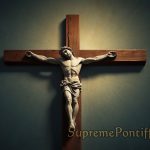
Grace is not merely a theological concept; it is the key to salvation. Without grace, efforts to earn salvation by following laws or doing good works would be futile. In Christianity, Jesus Christ’s sacrificial death and resurrection are interpreted as the ultimate manifestation of Divine Grace, opening the path for every believer to be reconciled with God. As Ephesians 1:7 (ESV) puts it, “In him we have redemption through his blood, the forgiveness of our trespasses, according to the riches of his grace.”
2.3. Empowerment for Christian Living
Believers need grace not just for their initial salvation experience but for daily living in Christ. Grace transforms hearts, grants spiritual strength, and shapes moral conduct. It is the driving force behind forgiving those who have wronged us, demonstrating compassion, and striving for holiness. The Apostle Paul himself passionately prayed for churches to “grow in grace” (2 Peter 3:18), emphasizing that grace is an ongoing process of spiritual maturity.
3. Connecting Grace to Salvation
3.1. The Role of Faith
While grace is God’s gift, faith functions as the means through which believers accept that gift. Thus, salvation in Christianity is by grace through faith (Ephesians 2:8). This faith acknowledges human inability to earn God’s favor and trusts solely in Christ’s atoning work. Although deeds of righteousness follow faith, they do not procure salvation; they merely manifest a heart already transformed by the Spirit.
3.2. Grace and Redemption
From the Old Testament foreshadowing of sacrificial atonement to the New Testament reality of Jesus Christ’s sacrifice, redemption is woven into the fabric of Divine Grace. Through His grace, God bridges the gap that sin creates between Himself and humanity, offering new spiritual life. Romans 3:24 (ESV) confirms: “…and are justified by his grace as a gift, through the redemption that is in Christ Jesus.”
3.3. Ongoing Sanctification
Grace does not halt at salvation but continues to work in believers’ lives to sanctify, or make the believer more like Christ. This transformative process, often described as “growing in grace,” is evident in the Christian’s ability to exhibit the fruits of the Holy Spirit — love, joy, peace, patience, kindness, goodness, faithfulness, gentleness, and self-control (Galatians 5:22-23).
4. Augustine of Hippo: A Theological Pioneer of Divine Grace
4.1. Augustine’s Key Contributions
Augustine of Hippo (354–430 AD) was among the early Christian theologians who most profoundly shaped the doctrine of Divine Grace. His writings, especially in works like “Confessions” and “On Grace and Free Will,” refined the Church’s view on how grace operates in human salvation. Augustine asserted that due to original sin, man’s will was so corrupted that only Divine Grace could enable a person to choose righteousness.
4.2. The Pelagian Controversy
Augustine’s groundbreaking insights emerged partly from his debates with Pelagius, who taught that humans could theoretically achieve perfection without the aid of God’s grace. Augustine refuted this, emphasizing the indispensable need for God’s unmerited favor. He championed the idea that grace is both irresistible and necessary for salvation, a position that underscored humanity’s absolute dependence on God’s intervention.
4.3. Ongoing Influence
Augustine’s theology of grace set the stage for further doctrinal developments in medieval scholasticism and later the Protestant Reformation. His biblical expositions laid the foundation for an enduring emphasis on God’s sovereignty, particularly regarding predestination, free will, and salvation. While Christian branches may nuance his views differently, Augustine’s legacy remains a testament to the profundity and mystery of God’s unearned favor.
5. Contemporary Significance of Divine Grace
5.1. Personal Transformation
In the modern era, believers continue to find hope, acceptance, and transformation through Divine Grace. It remains the wellspring of spiritual renewal for those burdened by guilt, shame, or spiritual despair. This unmerited favor reassures Christians that no failure or shortcoming places them beyond the reach of God’s mercy.
5.2. Motivation for Service
Grace not only reconciles humans to God but also motivates Christians to serve others, extend compassion, and spread the message of the gospel. As recipients of grace, believers are more inclined to show understanding and kindness to others, recognizing that God extended these very virtues to them first.
5.3. Strength in Adversity
Grace sustains believers through trials and hardships. In 2 Corinthians 12:9 (ESV), God tells Paul, “My grace is sufficient for you, for my power is made perfect in weakness.” This verse is a bedrock promise for those experiencing challenges — God’s grace provides the spiritual stamina to persevere and remain steadfast in faith.
6. Conclusion
Divine Grace — God’s unmerited favor — is the heartbeat of Christianity. From salvation’s beginning to a believer’s final breath, it is God’s loving initiative that calls, justifies, sanctifies, and ultimately glorifies. The theology of Augustine of Hippo highlights the depth and necessity of this concept, reminding Christians that, apart from grace, humanity is unable to turn to God in any meaningful way. Today, this life-giving doctrine continues to shape Christian worship, ethics, and community. It is the wellspring of confidence in the mercy and faithfulness of God, empowering believers to grow in Christlikeness, serve those in need, and stand firm in hope. Indeed, it is grace — marvelous, all-sufficient grace — that remains at the core of the Christian experience.



Leave a Reply