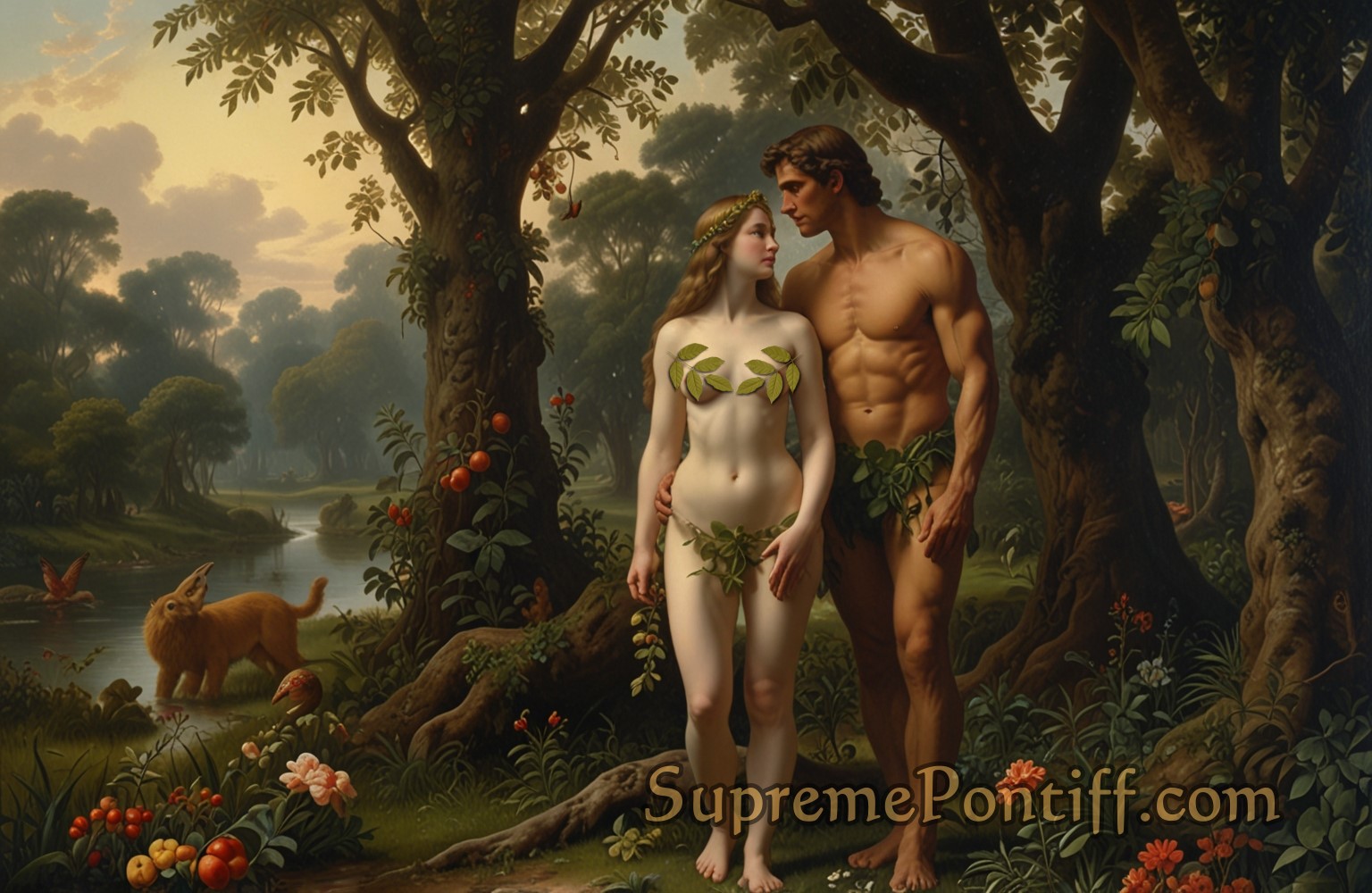
The story of Adam and Eve holds a central place in Christian theology, as it paves the way for understanding the concepts of original sin, temptation, disobedience, and God’s remarkable plan for redemption. The biblical account portrays Adam and Eve as humanity’s first parents, created by God and placed in the Garden of Eden with the responsibility to steward the earth and live in communion with Him. This article provides a comprehensive guide for believers, exploring the creation account, the Fall, the significance of Adam and Eve’s disobedience, God’s redemptive plan, and the relevance of this story for Christians today.
1. The Creation of Adam and Eve
“Then the Lord God formed man from the dust of the ground and breathed into his nostrils the breath of life; and the man became a living being.” (Genesis 2:7)
From the first chapters of Genesis, we learn that God created Adam uniquely from the dust. Later, God created Eve to be Adam’s helper and companion: “Then the rib that the Lord God had taken from the man He made into a woman and brought her to the man.” (Genesis 2:22)
This creation narrative underscores God’s sovereignty, as He fashioned human beings in His own image (Genesis 1:27), setting them apart from the rest of creation. Adam and Eve were entrusted with the responsibility to “fill the earth and subdue it” (Genesis 1:28). Together, they were to reflect God’s glory and enjoy direct fellowship with Him.
2. Life in the Garden of Eden
God generously placed Adam and Eve in the Garden of Eden, a place of abundance and harmony. The garden symbolized an environment in which humanity and creation could thrive under God’s loving guidance. Christians often emphasize that this environment was perfect, free from sin and death. Adam and Eve existed in a state of innocence, instructed to cultivate and keep the garden (Genesis 2:15).
Yet within this paradise, God laid out one prohibition that tested Adam and Eve’s obedience: “You may freely eat of every tree of the garden; but of the tree of the knowledge of good and evil you shall not eat” (Genesis 2:16-17). This command highlighted the importance of honoring God’s boundaries and underscored humanity’s free will.
3. The Temptation and The Fall
The turning point arrives when the serpent appears, tempting Eve to eat from the forbidden tree (Genesis 3:1-5). The serpent cast doubt on God’s word, distorting the truth: “Did God say, ‘You shall not eat from any tree in the garden’?” (Genesis 3:1). By engaging with the serpent’s lies, Eve was deceived and ultimately succumbed to temptation, eating the fruit. She shared it with Adam, who also ate (Genesis 3:6).
The moment both ate from the forbidden tree, sin entered human existence, fracturing their close communion with God. This act of disobedience is often referred to as “the Fall,” as it represents the descent from innocence to a state of guilt and broken fellowship with the Creator. The knowledge of good and evil, once concealed, became painfully apparent, revealing humanity’s rebellion and profound need for God’s grace.
4. The Genesis of Original Sin
The concept of “original sin” holds that every person inherits a fallen nature from Adam and Eve. As the first humans and representatives for the entire human race, their disobedience introduced sin and its resulting consequences — suffering, death, toil, and separation from God. The Apostle Paul later explains: “Therefore just as sin came into the world through one man, and death came through sin, and so death spread to all because all have sinned…” (Romans 5:12).
This theological understanding underscores humanity’s universal need for salvation, emphasizing why every believer must rely on God’s grace, rather than on personal merit, for reconciliation with Him.
5. Consequences of Adam and Eve’s Disobedience
With sin came consequences that still affect the world today:
- Separation from God: Adam and Eve were cast out of Eden (Genesis 3:23-24). This physical and spiritual separation underscores the chasm that sin creates between humanity and God.
- Labor and Suffering: God declared that Adam would labor by the sweat of his brow, and Eve would experience pain in childbirth (Genesis 3:16-19). These hardships illustrate the brokenness introduced by sin.
- Death: Physical death became an inevitable reality (Genesis 3:19). No longer were Adam and Eve immortal; they would return to the dust from which they were formed.
These consequences reinforce the seriousness of disobedience and the vital importance of understanding humanity’s desperate need for a Savior.
6. God’s Plan for Redemption
Despite the severity of the Fall, God’s plan for redemption was evident from the very beginning. Genesis 3:15 is often referred to as the Protoevangelium (the “first gospel”), where God declares that the offspring of the woman would eventually crush the serpent’s head. This prophecy foreshadows the coming of Jesus Christ, who would ultimately triumph over sin and death.
In his letter to the Romans, Paul elaborates on this redemptive plan by contrasting Adam’s transgression with Christ’s obedience:
“For just as by the one man’s disobedience the many were made sinners, so by the one man’s obedience the many will be made righteous.” (Romans 5:19)
Through Jesus, who is sometimes called the “last Adam” (1 Corinthians 15:45), God restores what was broken by the sin of humanity’s first parents.
7. The Relevance of Adam and Eve’s Story Today
Although centuries have passed since Adam and Eve walked in the Garden of Eden, their story remains profoundly relevant for modern believers:
- Understanding Human Nature: The Fall reminds Christians that sin is an inherent part of the human condition and that everyone needs God’s grace.
- Depicting the Reality of Temptation: Like Eve’s encounter with the serpent, believers encounter temptations daily. This story encourages watchfulness and reliance on Scripture as Jesus modeled in His own temptations (Matthew 4:1-11).
- Showcasing God’s Mercy: Even after Adam and Eve’s disobedience, God provided garments to cover their shame (Genesis 3:21). This act of grace foreshadows the redemptive covering of Christ’s righteousness.
- Highlighting the Need for Christ’s Sacrifice: Adam’s sin opened the door to death and separation from God, but Christ offers eternal life and the restoration of fellowship with the Father.
8. Living in Light of Redemption
For Christians, living in light of this redemption means embracing God’s grace and aligning one’s life to God’s Word. This calls for:
- Genuine Repentance: Acknowledging our sinful nature and seeking God’s forgiveness.
- Growing in Faith: Trusting in Jesus Christ as Savior, who reconciles us back to God and justifies us in His sight.
- Holiness and Obedience: As God’s children, believers are called to pursue godliness and reject sin (1 Peter 1:14-16).
- Sharing the Gospel: Following the Great Commission (Matthew 28:19-20), Christians spread the good news so others can also experience God’s redemption.
Conclusion
The story of Adam and Eve serves as the foundational narrative for understanding human nature, free will, sin, and God’s overarching plan of salvation. From the creation account in Genesis to the promise of redemption in Jesus Christ, Scripture showcases God’s unwavering love and sovereign power in bringing humanity back into right relationship with Him.
For believers today, the lessons learned from Adam and Eve’s disobedience and from God’s merciful response underscore our own dire need for grace and the hope we find in Christ. It is a story that continues to illuminate the human condition and inspire faith in God’s redemptive purposes. By acknowledging the reality of original sin and embracing the gift of salvation, Christians stand assured in the knowledge that God’s plan for humanity’s restoration through Jesus is both certain and eternal.
Whether one is a new believer seeking to understand the origins of sin and redemption, or a mature Christian reflecting on the consistency of God’s grace throughout Scripture, the account of Adam and Eve resonates powerfully — even in our modern world — as a profound testament of divine mercy and love.


Leave a Reply