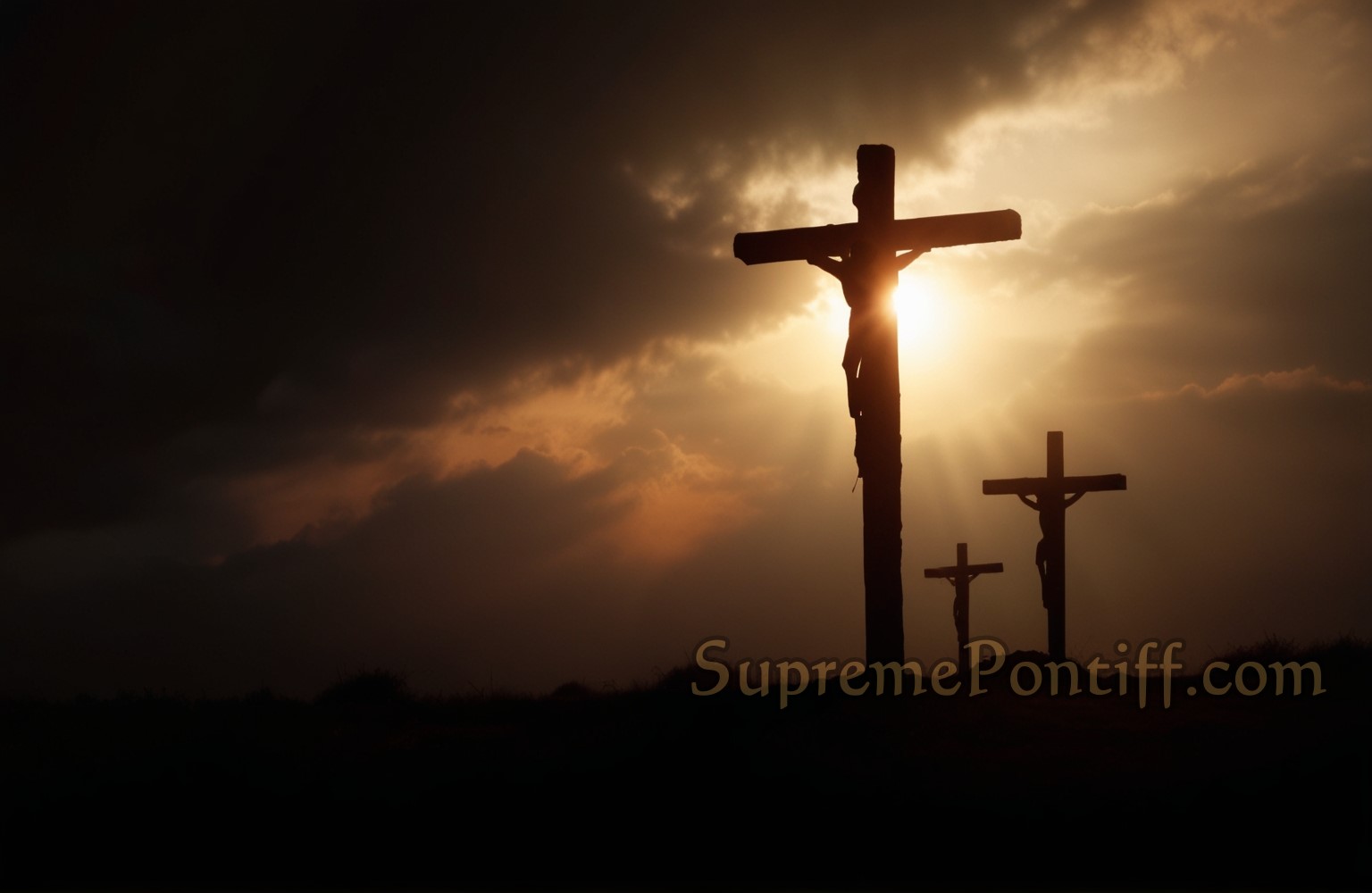
Few events in human history resonate across centuries and cultures as profoundly as Jesus Christ’s sacrifice on the cross. In Christian theology, the crucifixion stands as the defining moment that both reveals God’s immeasurable love for humanity and cements the foundation of Christian faith. This article explores the depth of Jesus’ sacrifice, its scriptural basis, and its enduring impact on believers, highlighting the hope and love that continue to radiate from Calvary.
1. Biblical Context of the Crucifixion
The narrative of Jesus’ crucifixion unfolds across all four Gospels — Matthew, Mark, Luke, and John — with consistent emphasis on the sacrifice of the Son of God for the sins of the world. The Bible teaches that through sin, humanity fell out of fellowship with God (Romans 3:23). In the fullness of time, God sent Jesus to reconcile humanity to Himself (John 3:16). Jesus’ journey from the manger in Bethlehem to the cross in Jerusalem culminates in a selfless act of atonement.
- As John 3:16 (NKJV) testifies: “For God so loved the world that He gave His only begotten Son, that whoever believes in Him should not perish but have everlasting life.”
2. Why Jesus Was Crucified
From a Christian standpoint, Jesus’ crucifixion was not a random tragic event but an intentional plan orchestrated from eternity. God, in His holiness, cannot overlook sin; however, in His boundless mercy, He provided a perfect sacrifice in Jesus Christ.
- Romans 5:8 succinctly states: “But God demonstrates His own love toward us, in that while we were still sinners, Christ died for us.”
Jesus willingly laid down His life to bear humanity’s sins. The cross exemplifies divine justice (sin must be punished) harmonized with divine love (God Himself pays the penalty for sin). Christians see in this act the ultimate expression of grace, whereby believers are saved not by their own works, but by faith in the finished work of Christ on the cross.
3. The Significance of the Cross
For Christians, the cross is more than a historical artifact; it is a symbol of victory, hope, and reconciliation. Prior to Jesus, sacrificial systems involving animals served as temporary atonement for sin. However, Jesus’ substitutionary death brought an enduring, once-and-for-all reconciliation:
- 1 Peter 2:24 states: “He Himself bore our sins in His own body on the tree, that we, having died to sins, might live for righteousness.”
This powerful verse underscores how Jesus absorbed the penalty of sin, freeing believers to pursue the righteousness that God desires for them. The cross is thus viewed as a turning point in history, bridging the gap between a fallen humanity and a holy God.
4. Crucifixion, Resurrection, and Christian Hope
While the crucifixion itself is integral to Christian faith, it cannot be separated from the resurrection. Three days after Jesus died, He rose from the grave (Luke 24:6–7), demonstrating His victory over death and affirming that His sacrifice was acceptable to God. The empty tomb testifies to Christ’s divine nature, guaranteeing believers eternal life and hope in the face of suffering.
By placing faith in the crucified and resurrected Christ, Christians believe that they share in both His death (dying to sin) and His resurrection (rising to walk in newness of life). Hence, Jesus’ sacrifice encapsulates both the gravity of sin and the boundless redemption found in the gospel.
5. The Love That Defines Christian Faith
Above all else, Christians see the cross as the ultimate testament to God’s love. God willingly took on human form in Jesus, lived a sinless life, and endured excruciating physical and spiritual agony to redeem a fallen world. Such love transcends human understanding, transforming believers’ hearts and defining Christian discipleship.
- When Jesus was on the cross, He prayed for those who crucified Him: “Father, forgive them, for they do not know what they do” (Luke 23:34). This plea reflects the boundless mercy and grace that characterize God’s heart.
Christian faith emerges from this sacrificial love — one that calls for repentance, renewal, and compassionate service toward others. The cross shapes believers’ lives, prompting them to emulate Christ’s humility, forgiveness, and selfless love.
6. The Ongoing Relevance of the Cross
Even centuries after the events at Calvary, the significance of Jesus Christ’s sacrifice on the cross remains enduringly relevant. Believers find solace in times of trouble, courage in the face of adversity, and motivation to serve their communities through the lens of sacrificial love represented by the cross.
- The Apostle Paul aptly summarized this concept when he wrote (1 Corinthians 1:18): “For the message of the cross is foolishness to those who are perishing, but to us who are being saved it is the power of God.”
Today, Christians across the globe continue to draw comfort, strength, and purpose from the reality that Christ’s crucifixion — and His subsequent resurrection — opened the door to an eternal relationship with God. Through faith in Jesus’ sacrifice, they find forgiveness for their sins, restoration of fellowship with God, and the promise of everlasting life.
7. The Cross as a Model for Christian Living
Jesus’ sacrifice was not merely a one-time event to be remembered passively. Rather, it inspires a lifestyle of sacrificial love, humility, and service. Christians are called to bear their own crosses daily (Luke 9:23), meaning they renounce self-centered ways to follow in the footsteps of their Savior.
Living with the cross at the center of faith addresses many areas:
- Moral living: Following Christ’s example shapes choices, attitudes, and relationships, fostering virtue, integrity, and love.
- Compassionate service: Believers commit themselves to charitable work — feeding the hungry, caring for the sick, and spanning divides within their communities — because Jesus first loved them.
- Hope-filled perspective: In the midst of a tumultuous world, knowing that Christ overcame death reinforces that suffering is not the final word for Christians.
Conclusion
Jesus Christ’s sacrifice on the cross remains the heartbeat of Christian faith — an eternal declaration of God’s love, power, and grace. It transcends cultural and historical barriers, offering forgiveness, hope, and reconciliation to all who believe. As the central event in God’s grand story of redemption, the cross defines Christianity and shapes the lives of believers around the globe. Through Jesus’ atoning death and victorious resurrection, Christians find not just a historical milestone, but a living reality that continues to transform hearts, guide moral choices, and bring eternal hope.
In contemplating the cross, Christians discover the depth of God’s mercy and the majesty of His grace. No other act in human history so powerfully communicates selfless love: “But God demonstrates His own love toward us, in that while we were still sinners, Christ died for us” (Romans 5:8). This truth is the essence of Christian faith and the reason Christians proclaim that through the cross, the greatest love story of all time was permanently etched into the annals of human history.




Leave a Reply