
Jesus Christ’s triumphant victory over sin and death stands at the heart of the Christian faith. From His miraculous birth to His sacrificial death and glorious resurrection, Jesus’ life and ministry epitomize God’s boundless love for humanity. He came into the world to bridge the chasm between a holy God and fallen humanity, ultimately overcoming sin and destroying the power of the grave. For Christians, this victory is not only a historical reality but also a deeply personal spiritual truth with profound implications for every believer’s life.
1. The Need for Redemption
According to Scripture, humanity’s need for redemption began with the Fall of Adam and Eve (Genesis 3). Sin entered the world, bringing separation from God and the curse of death. In Romans 3:23, the Apostle Paul explains, “All have sinned and fall short of the glory of God.” This universal problem of sin condemned humankind to spiritual death. However, God, in His infinite mercy, revealed His redemptive plan through the promises, prophecies, and covenants found throughout the Old Testament, culminating in the coming of Jesus Christ.
2. Old Testament Foreshadowing
The Old Testament repeatedly foreshadows the ultimate sacrifice that would free humanity from sin and death. Prophets like Isaiah spoke of a suffering servant who would bear the sins of many (Isaiah 53). The sacrificial system given to Israel under Moses demonstrated the need for a substitute to atone for sin. This entire covenantal structure pointed to a future and greater sacrifice that the Messiah — Jesus — would offer on behalf of all humanity.
3. Jesus’ Earthly Ministry and Teachings
Jesus’ public ministry began with His baptism by John the Baptist, confirming His identity as the Lamb of God who takes away the sin of the world (John 1:29). Throughout His ministry, Jesus taught about the kingdom of God, performed numerous miracles, and proved Himself to be fully God and fully man. He openly confronted evil, healed the sick, raised the dead, and offered forgiveness of sins, thus showcasing His divine authority and hinting toward His ultimate mission of defeating sin and death.
4. The Crucifixion: The Scene of Ultimate Sacrifice
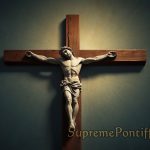
Among the most significant moments in human history is the crucifixion of Jesus Christ. On the cross, He bore the weight of humanity’s sins. As the Apostle Peter writes, “He himself bore our sins in his body on the tree” (1 Peter 2:24, ESV). The cross stands as the pivotal point of God’s redemptive story, fulfilling numerous Old Testament prophecies and accomplishing what no other sacrifice could.
The Significance of the Cross:
- Atonement for Sin: Jesus’ blood atones for sin, reconciling believers to God.
- Substitutionary Sacrifice: Jesus, the sinless Lamb of God, willingly died in the place of sinners.
- The “It Is Finished” Declaration: In John 19:30, Jesus triumphantly proclaimed, “It is finished,” signifying the completion of the redemptive work.
5. The Resurrection: The Triumph Over Death
While the crucifixion dealt the blow to sin, it is the resurrection of Jesus on the third day that seals His triumph over death. The Apostle Paul captures this powerfully in 1 Corinthians 15:54-55: “Death is swallowed up in victory. O death, where is your victory? O death, where is your sting?” The resurrection proved beyond doubt that death could not hold Jesus, validating His identity as the Son of God and confirming the promise that those who trust in Him will also rise to eternal life (John 11:25).
Implications of the Resurrection:
- Assurance of Eternal Life: Believers have the confident hope that physical death is not the end.
- Defeat of Satan’s Power: Through the resurrection, Christ removed the final weapon of Satan — eternal separation from God.
- New Birth in Christ: Believers share in Christ’s victory, receiving new life and the indwelling of the Holy Spirit.
6. The Ascension and Promise of the Holy Spirit
After His resurrection, Jesus spent forty days appearing to His disciples, teaching them about the kingdom of God, opening their understanding of the Scriptures (Luke 24:45), and preparing them for the mission ahead. He then ascended into heaven in the presence of His followers (Acts 1:9-11). This ascension was not a farewell but a transition, making way for the Holy Spirit to indwell believers.
The Holy Spirit’s Role:
- Empowering Witness: At Pentecost (Acts 2), God sent the Holy Spirit, empowering the disciples to preach the gospel boldly.
- Continuous Transformation: The Holy Spirit continually sanctifies believers, helping them grow in Christlike character and further experience Jesus’ victory in their daily lives.
7. Ongoing Relevance of Jesus’ Victory Over Sin and Death
Jesus Christ’s triumphant victory over sin and death has as much relevance today as it did for the early church. People around the world continue to experience spiritual renewal, freedom from guilt, and power to live righteously through faith in Christ. This reality addresses modern struggles — such as anxiety, broken relationships, and moral confusion — by offering the transforming grace of God.
Personal Application for Believers:
- Freedom From Bondage: Christians are no longer slaves to sin but can walk in newness of life (Romans 6:4).
- Hope Amid Suffering: Suffering, though real, can be endured with hope because of the resurrection’s promise of final victory.
- Eternal Perspective: Knowing that death is not the end gives believers an eternal outlook, shaping moral decisions and priorities in daily life.
8. Conclusion: Living in the Light of His Triumph
Jesus Christ’s triumphant victory over sin and death is the foundation upon which the Christian faith is built. His sacrifice on the cross and His glorious resurrection demonstrate the immeasurable love and power of God. This victory is not confined to history but lives on in the hearts and lives of countless believers today. It offers hope, restoration, and eternal life to all who place their faith in Him.
As the Apostle Paul exclaims, “But thanks be to God! He gives us the victory through our Lord Jesus Christ” (1 Corinthians 15:57). Therefore, Christians are called to live boldly and joyfully in the reality of Christ’s triumph, sharing the gospel message so that others, too, might come to know the wonder and freedom found in Jesus Christ. His victory over sin and death remains a constant reminder that, in Christ, we are more than conquerors (Romans 8:37).
In a world still plagued by sin and death, the good news of Jesus’ redemption continues to shine as a beacon of hope, guiding individuals to repent from sin and place their trust in Him. Through His triumphant victory, believers are united with Christ in His resurrection power, securely anchored in the promise of eternal life.


Leave a Reply