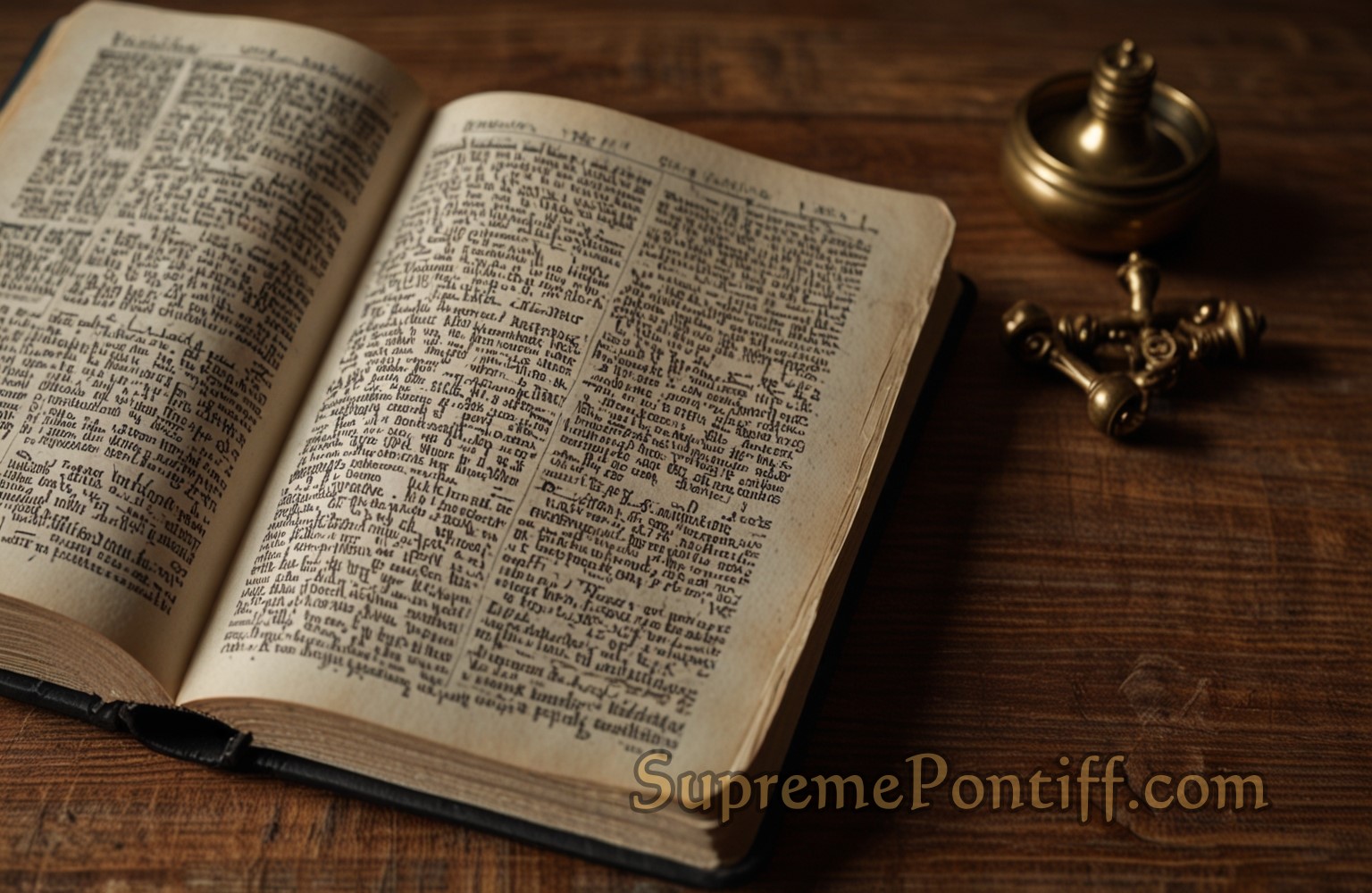
Holy Scripture — the Bible — stands at the very heart of Christianity’s identity as the authoritative Word of God. It forms the cornerstone of Christian faith, shaping doctrine, ethical guidelines, and believers’ daily walk with the Lord. From the earliest days of the Church to the modern era, Christians have collectively recognized the Bible as God’s inspired revelation. This comprehensive article explores the significance of Holy Scripture, its role as the foundation for faith in Jesus Christ, and the powerful impact it continues to have on believers’ lives today.
1. Defining Holy Scripture: God’s Inspired Word
Holy Scripture comprises the Old Testament and the New Testament. For generations, Christians have looked to these sacred writings, believing that God uniquely inspired their authors through the Holy Spirit (2 Timothy 3:16). This foundational principle — often referred to as “biblical inspiration” — asserts that despite diverse human authors, cultural settings, and literary styles, the Bible is ultimately God’s Word, carrying divine authority for believers.
- Old Testament: Comprised of the Law, the Prophets, and the Writings, the Old Testament lays the groundwork for the coming Messiah. It highlights God’s covenant faithfulness to His chosen people and underscores His plan of redemption from the very beginning.
- New Testament: Centered on Jesus Christ, the New Testament elaborates on His ministry, sacrifice, resurrection, and the birth of His Church. Additionally, it includes epistles (letters) offering theological explanations and practical instructions for Christian living.
2. The Foundation for Faith in Jesus Christ
Holy Scripture functions as the spiritual bedrock upon which Christian faith is built. The core truths surrounding God’s nature, humanity’s need for salvation, and Christ’s identity and redeeming work all spring directly from the Bible.
- Revealing God’s Character: The pages of Scripture unveil God as omnipotent, all-loving, holy, and just. From historical accounts of miracles to prophecies fulfilled in Christ, believers find assurance in seeing God’s unchanging nature revealed.
- Proclaiming Salvation: Central to Holy Scripture is the message of salvation through faith in Jesus Christ. By understanding the prophecies of the Old Testament and witnessing their fulfillment in the New Testament, believers grasp the depth of God’s redemptive plan.
- Centering on Christ: The Gospels (Matthew, Mark, Luke, and John) provide the primary narrative of Jesus’ life. They serve as the foundation for Christian faith, establishing that He alone is “the way, the truth, and the life” (John 14:6).
3. The Transformative Impact on Believers
Christians universally testify to the life-changing power of Scripture in guiding thoughts, shaping attitudes, and motivating service to others. Here are just a few of the key ways in which Holy Scripture impacts believers:
- Personal Devotion and Growth: Consistent Bible reading and meditation allow the Holy Spirit to illuminate divine truths, bringing guidance, conviction of sin, and encouragement (Psalm 119:105). Believers often report growing deeper in their relationship with God as they study Scripture daily, bolstering prayer lives and moral discernment.
- Moral and Ethical Guidance: By teaching virtues such as love, humility, and compassion, Scripture instructs believers on living Christlike lives. This “renewing of the mind” (Romans 12:2) stands as a hallmark of Christian transformation.
- Community and Fellowship: Local congregations center worship services around Bible readings, sermons, and collective study. This unifying focus fosters communal bonds, strengthens shared convictions, and creates a supportive environment in which believers mature together.
- Evangelism and Outreach: Grounded in Scripture’s declaration that every believer is called to share the gospel (Matthew 28:19–20), Christians are motivated to extend compassion and the message of hope beyond church walls.
4. Historical Preservation and Modern Relevance
One of the Bible’s remarkable qualities is its preservation across millennia. Despite historical trials — persecution, cultural shifts, technological changes — Scripture has consistently proven resilient. Meticulous manuscript copying, archaeological discoveries, and scholarly research further bolster confidence in the reliability of the biblical text. Today, vast translation projects and digital platforms make the Bible more accessible than ever, allowing believers worldwide to engage with God’s Word daily.
- Historical Reliability: Manuscript evidence and archaeological findings continue to affirm the factual details within Scripture, strengthening believers’ trust in its historical claims and narratives.
- Cultural Adaptability: From the original Hebrew, Aramaic, and Greek texts, translations have reached people groups around the globe. Modern tools — such as Bible apps — have expanded the possibilities for studying and sharing God’s Word, making it increasingly relatable and timely.
- Living and Active: Hebrews 4:12 describes the Word of God as “living and active.” Even in the face of contemporary challenges like secularization or digital noise, Scripture continues to speak fresh truth into believers’ lives.
5. Applying Scripture to Daily Life
Holy Scripture is not merely an ancient religious text confined to theological discussions; it is a practical manual for day-to-day life. Christians find actionable wisdom within its pages, whether in parenting advice (Proverbs 22:6), financial stewardship (2 Corinthians 9:7), or interpersonal relationships (Ephesians 4:32).
- Personal Study and Devotion: Individual reading plans or topical studies can heighten awareness of God’s character and promises. Many believers also incorporate Scripture memorization, ensuring key verses become easily accessible in times of need.
- Family Discipleship: Parents often use the Bible as the framework for teaching children moral guidelines, Bible stories, and faith traditions. This practice cements the foundations of faith across generations, instilling Christian values in young hearts.
- Church Teachings and Creeds: Historic confessions (e.g., the Nicene Creed) serve as communal expressions of basic Christian doctrines derived from Scripture. Churches that prioritize expository preaching systematically walk congregations through biblical passages to unlock deeper Scriptural understanding.
6. Common Questions and Misconceptions
Questions about biblical interpretation, the scope of inspiration, and the application of difficult passages frequently arise. Mature Christian communities encourage open dialogue, prayer, and reliance on the Holy Spirit to clarify misunderstandings.
- Interpretation and Context: Studying the cultural and historical background of each passage helps believers comprehend contextual nuances. A passage’s genre (poetry, narrative, prophecy) often informs its intended meaning.
- Difficult Passages: Whether dealing with ethical issues in the Old Testament or end-times prophecies in the New Testament, patient study under the guidance of church leaders or well-researched commentaries provides invaluable clarity.
7. Conclusion: Embracing the Power of God’s Word
Holy Scripture — unquestionably God’s Word for our lives — remains the bedrock of Christian faith and a transformative force in the lives of believers. It connects people to the unchanging heartbeat of God’s love and righteousness, illuminating every aspect of human experience. Through careful study, prayerful reflection, and obedience, Christians find direction, wisdom, and hope amid life’s challenges. With modern technology making it more accessible than ever, the relevance of the Bible only grows, providing renewed inspiration for every generation seeking truth in a changing world.
In a world often overwhelmed by fickle voices and shifting priorities, the Bible stands as an enduring beacon of truth. Holy Scripture’s God-breathed message stands not only as a foundation for faith in Jesus Christ but also as a vital compass guiding our moral and spiritual lives. By embracing the life-giving power of God’s Word, believers of every age can continue to experience profound transformation — reflecting God’s light and hope for all creation.



Leave a Reply