
Christian doctrine, with its profound and enriching beliefs, stands as a beacon of light and truth in a world searching for meaning. Central to the lives of billions, Christian doctrine not only guides but elevates, offering a blueprint for a life of virtue, purpose, and eternal promise. This article seeks to explore the depths of Christian doctrine, celebrating its foundations, detailing its principles, and illustrating its transformative power in individuals and communities worldwide.
The Foundation of Christian Doctrine
At the heart of Christian doctrine is the belief in one true and living God, who is the Creator of all things. This is masterfully encapsulated in the Nicene Creed, a statement of faith that unites Christians around the world. God is understood to be triune – Father, Son, and Holy Spirit – three persons and yet one essence, a mystery that speaks to the depth and complexity of His being.
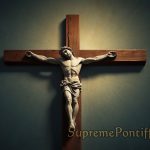
The doctrine of Jesus Christ, God incarnate, who came to the earth to save humanity from sin, is central. The life, death, and resurrection of Jesus Christ are not merely historical events but the fulcrum of all Christian belief and practice. His resurrection is particularly pivotal, providing the assurance of eternal life to all who believe in Him. This bold assertion underscores a hope that is both courageous and comforting, defining the Christian outlook on life and death.
The Holy Scriptures
The Bible stands as the infallible word of God, composed of the Old and New Testaments. It is revered as the ultimate authority on Christian doctrine. Through it, God reveals His character and will, governing the moral, spiritual, and practical lives of His followers. The scriptures serve as a manual for righteousness, equipped with narratives, teachings, and divine insights that guide Christians in every aspect of life. The power of God’s Word is evident in its ability to transform lives, shaping societies with principles of justice, peace, and love.
Salvation and Grace
Salvation, a cornerstone of Christian doctrine, articulates redemption as a free gift through Christ, accessible to all through faith. This doctrine rejects the notion of human works as a means of salvation, emphasizing grace (unmerited favor) as the basis of human redemption. Ephesians 2:8-9 encapsulates this beautifully, asserting that faith, and not deeds, secures our salvation, thus ensuring that none can boast of their righteousness but all can glory in Christ’s redeeming work.
The Church and Sacraments
The Church is the body of Christ on earth, tasked with the mission of spreading the Gospel and embodying the love of God in the world. It acts as a community of believers, united in purpose and fellowship, serving as a testament to the power of God’s kingdom on earth. Sacraments, particularly baptism and the Eucharist, are observed as essential rites that affirm and sustain a believer’s faith journey. They are seen not as mere symbols but as means of grace, moments in which Christians encounter God in a profound and transformative manner.
Christian Moral Teachings
Christian ethics, derived from Biblical teachings, emphasize love, forgiveness, and justice. The Sermon on the Mount, delivered by Jesus, lays a remarkable framework for Christian conduct. Principles such as loving one’s enemies, acts of mercy, and the pursuit of peace are radical in their demand yet universal in their appeal. These teachings challenge believers to live counter-culturally, transforming not only their lives but also influencing the moral fabric of entire communities.
Eschatology: The Christian Hope
Christian doctrine also encompasses eschatology, which studies the ultimate destiny of individuals and the universe. It comforts and motivates believers with the promise of Christ’s return, the resurrection of the dead, and the eternal kingdom of God. This future hope is not escapism but a driving force that impels Christians to engage meaningfully with the present world, stewarding it responsibly and striving for societal transformation.
Conclusion
Christian doctrine is vast and deep, a treasure chest of divine wisdom that offers hope and direction. Its teachings are not outdated philosophies but living truths that continue to resonate in the hearts of billions. In a world fraught with uncertainty, the doctrines of Christianity provide a sure foundation, a steadfast guide, and an eternal promise. As such, it invites not just contemplation but celebration, equipping humanity to traverse the complexities of life with faith, hope, and love. In understanding and embracing these truths, one discovers the profound joy and peace that only Christ can offer. Truly, Christian doctrine is the cornerstone of a fulfilled and purposeful life, both now and forevermore.


Leave a Reply