
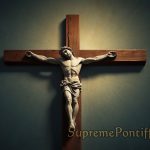
Few events in history have borne as profound an impact on civilization as the Crucifixion of Jesus Christ. At the heart of Christian faith, the death of Jesus on the cross stands as the ultimate act of divine love, grace, and redemption, shaping theology and worship for over two millennia. This article delves deep into the Biblical accounts, historical context, and enduring significance of the crucifixion, which marke the turning point in history and became a source of spiritual renewal, playing a vital role in Christian beliefs.
1. Historical Context
The earthly ministry of Jesus Christ took place in the first century AD, primarily in Judea (modern-day Palestine). Under Roman governance, daily life was heavily regulated, and public executions were commonly administered to maintain order. Pontius Pilate, the Roman governor who authorized Jesus’ crucifixion, served from about AD 26 to AD 36. Significant scholarly consensus affirms that Jesus of Nazareth was indeed crucified under Pilate’s rule around AD 30–33, aligning with the core statements of the Christian Gospels (Matthew, Mark, Luke, and John).
2. Biblical Accounts and Prophecies
Four canonical Gospels provide detailed narratives of the Crucifixion of Jesus Christ. Although each Gospel has unique nuances, they share key elements, reinforcing their collective testimony:
- The Last Supper: Jesus, fully aware of the suffering that lay ahead, shared the Passover meal with His disciples. This event introduced the foundation of the Eucharist or Holy Communion, marking a new covenant between humanity and God (Luke 22:19–20).
- Arrest and Trials: Betrayed by Judas, Jesus was arrested in the Garden of Gethsemane. He was then brought before the Jewish Sanhedrin, King Herod, and ultimately Governor Pontius Pilate (Luke 22; John 18). Although Pilate found no fault with Jesus, he conceded to the crowd’s outcry to have Him crucified (John 19:12–16).
- The Road to Golgotha: Before the crucifixion, Jesus was mocked, scourged, and forced to carry His cross to the place called Golgotha (Mark 15:21–22). This path to the crucifixion site vividly demonstrates His voluntary acceptance of suffering for the sake of humanity’s redemption.
- The Crucifixion and Death: The Gospels record that Jesus was nailed to the cross and endured agonizing hours of pain. Yet, through it all, He demonstrated His compassionate heart, praying, “Father, forgive them, for they do not know what they are doing” (Luke 23:34). At the moment of death, Jesus cried out, “My God, my God, why have You forsaken Me?” (Mark 15:34), reflecting His deep anguish and fulfilling the messianic prophecy in Psalm 22.
- Fulfillment of Prophecy: Isaiah 53:5 foretold that the Messiah would be “wounded for our transgressions” and “bruised for our iniquities.” Many Christians view Jesus’ crucifixion as the ultimate fulfillment of this Old Testament prophecy, showcasing Jesus as the long-awaited Savior.
3. The Suffering and the Significance
The early Church recognized that Jesus’ suffering was not a defeat but a triumphant victory over sin and death. Scripture interprets the Crucifixion of Jesus Christ as the perfect atoning sacrifice that reconciles humanity to God. Hebrews 9:28 underscores this, affirming that Christ “was offered once to bear the sins of many.” By willingly submitting to a humiliating execution, Jesus bridged the spiritual divide between God and humankind.
4. The Role of the Resurrection
Although the crucifixion stands alone as a monumental event, its ultimate significance is inseparable from the Resurrection of Jesus. Christians celebrate Easter Sunday to remember that three days after His crucifixion, Jesus rose from the dead (Matthew 28:1–6). This victorious event completed His salvific work, testifying that death could not hold the Son of God. As Paul wrote, “If Christ has not been raised, our preaching is useless and so is your faith” (1 Corinthians 15:14). Thus, the resurrection validates the crucifixion’s power to save.
5. Theological Importance
From a deeply pro-Christian perspective, the crucifixion stands as the focal point of salvation history. Through the sacrifice on the cross, God demonstrates His immeasurable love for humanity: “For God so loved the world that He gave His one and only Son, that whoever believes in Him shall not perish but have eternal life” (John 3:16). Theologians throughout the centuries have emphasized that Jesus’ death paid the price for sin, offering believers a pathway to reconciliation with a holy and loving God.
6. Continuing Relevance in Christian Life and Worship
- Sacraments and Liturgy: Traditional Christian worship frequently centers on the passion and crucifixion of Jesus. The Eucharist (or Holy Communion) directly commemorates the sacrifice of Christ, bringing believers into communion with His atoning work on the cross.
- Good Friday Observances: Christians worldwide observe Good Friday as a solemn day of remembrance. Through fasting, prayer, and meditations on the suffering of Christ, the faithful reflect on the high cost of redemption.
- Inspiration and Devotion: Christ’s crucifixion models the virtue of selfless love, inspiring believers to emulate Jesus in acts of charity, forgiveness, and compassion. Countless hymns, prayers, and devotional practices center on the cross as the most powerful symbol of God’s unfathomable grace.
7. Conclusion
The Crucifixion of Jesus Christ remains a watershed moment in world history and the anchor of Christian faith. With profound significance for those who follow Him, Jesus’ willing sacrifice on the cross reveals God’s loving plan to rescue humanity from spiritual darkness. Though historically rooted in a Roman execution, the cross has become much more — an eternal sign of victory, reconciliation, and hope. From the anguished cry of “My God, my God, why have You forsaken Me?” to the triumphant echo of the empty tomb, the message resonates clear: in the suffering, death, and resurrection of Jesus, salvation unfolds for all who believe.
This article underscores how believers worldwide draw unshakable confidence in God’s unending love, commemorating and venerating the passion of Christ. Faith, worship, and history converge in the crucifixion, making it an incomparable testament to the power of divine grace.



Leave a Reply