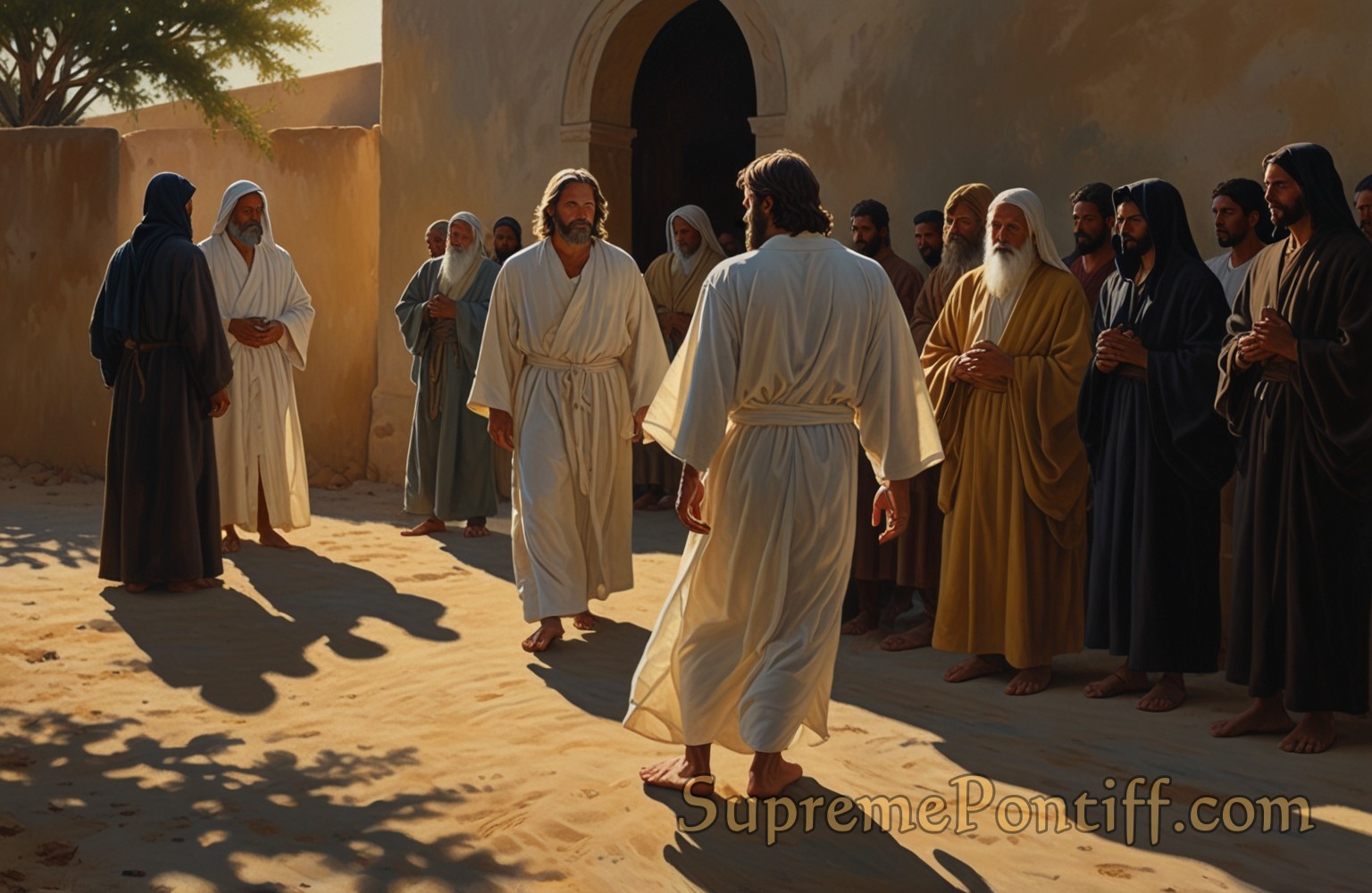
Judea, a geographic and historical region located in the southern part of ancient Palestine, holds profound significance in Christian history, particularly in the narratives surrounding the life and ministry of Jesus Christ. This article explores Judea from a Christian perspective, examining its historical, cultural, political, and theological relevance during the time of Jesus.
Historical and Geographical Context
Judea primarily consisted of the territories surrounding Jerusalem, Bethlehem, and Hebron. During the first century AD, the time during which Jesus lived, Judea was under Roman rule, existing as a part of the larger Roman province of Judaea, which also included Samaria and Idumea. This context of Roman occupation deeply influenced the socio-political landscape of Judea and contributed to the fervor for a messianic deliverance among the Jews.
The geographical facets of Judea—with its gorges, rocky terrains, and fertile valleys—played a critical role in the life and ministry of Jesus. For instance, Bethlehem in Judea is heralded in the Gospel of Matthew and Luke as the birthplace of Jesus, aligning with Old Testament prophecies that the Messiah would stem from the lineage of David, who was also born in Bethlehem (Micah 5:2).
Political and Social Landscape
Under Roman dominance, Judea was ruled by a sequence of procurators, among whom Pontius Pilate is especially notable in Christian accounts due to his direct involvement in the trial and crucifixion of Jesus. The Roman occupation exacerbated social tensions and stirred nationalistic and messianic expectations among the Jews. They yearned for a liberator who would overthrow Roman rule and restore Israel’s ancient glory.
The presence of diverse groups like the Sadducees, Pharisees, Essenes, and Zealots further complicated the social structure. Each group had distinct interpretations about the law, the messiah, and Israel’s destiny, influencing public perception and reaction to Jesus’ teachings and actions. As Jesus preached throughout Judea, He frequently engaged with these groups, challenging their interpretations of the Torah and their lifestyle.
Theological Significance
Judea is central to several key events in Jesus’ life, which bear theological significance. Apart from Bethlehem being Jesus’ birthplace and Jerusalem the place of His crucifixion and resurrection, Judea’s various locales are interwoven with His ministry.
- Teachings and Miracles: Numerous villages and towns in Judea served as the backdrop for Jesus’s miracles and teachings. For instance, Jesus healed the blind and the sick in Jerusalem, which not only manifested His divine authority but also emphasized the religious fulcrum that Judea was due to its temple and its scholarly community.
- Jerusalem Temple: Jesus’s relationship with the Temple in Jerusalem holds crucial theological import. His act of cleansing the Temple is testament to His critique of the existing religious practices and His call for a reformed relationship with God. Moreover, the Temple’s significance as the primary place of Jewish worship underscored many of Jesus’s teachings related to worship and piety.
- Passion Week: The final week of Jesus’ life, known as Passion Week, unfolded entirely in Jerusalem. From His triumphal entry into the city to His Last Supper, trial, crucifixion, death, and resurrection — all occurred here. Each of these events carries deep theological significance, underscoring themes of sacrifice, redemption, and the inauguration of a new covenant between God and humanity.
Conclusion
Judea during the life of Jesus Christ was not only a physical landscape but also a theological landscape that framed the mission and identity of Jesus as the Messiah. Its cities bore witness to His birth, growth, ministry, death, and resurrection. For Christians, understanding Judea’s historical and cultural context enriches their comprehension of the Gospel narratives and deepens their appreciation of Jesus’ earthly journey. It underscores Judea’s role not only as a backdrop to these divine events but also as an active participant in God’s redemptive plan through Jesus Christ.

Leave a Reply