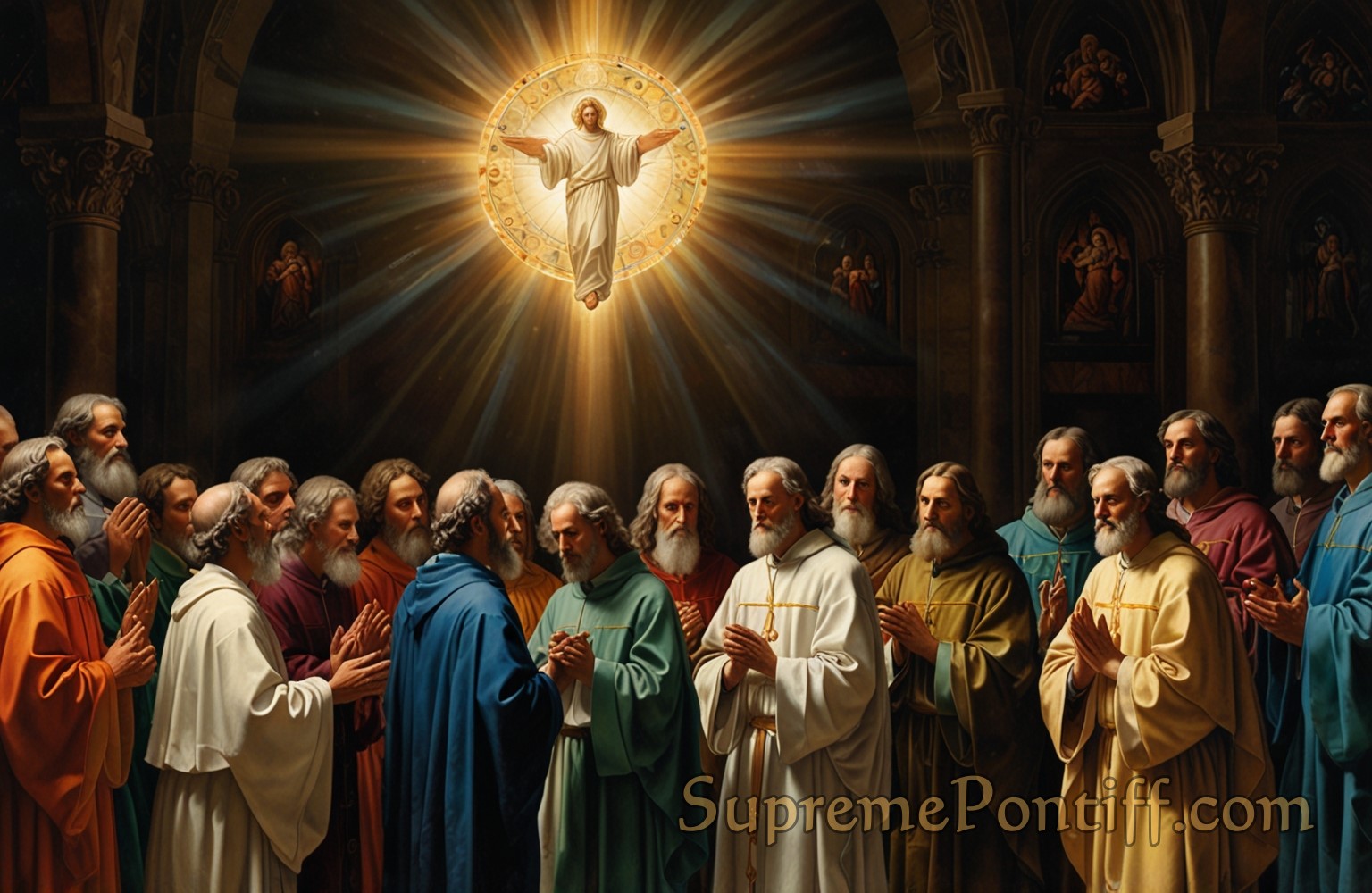
Christian theology is a vast and profound field that seeks to explore, understand, and articulate the core tenets of the Christian faith. Rooted in the teachings of Jesus Christ, Christian theology is the study of the nature of God, the purpose of life, and the moral imperatives that guide human conduct. This article aims to delve deeply into the various aspects of Christian theology while maintaining a positive outlook that reflects the hope and joy inherent in the Christian message.
Foundations of Christian Theology
At its core, Christian theology begins with the Bible, a collection of sacred texts that includes the Old and New Testaments. Christians believe the Bible is the inspired word of God, containing divine truths essential to understanding God’s character, will, and purpose for humanity. The Bible serves as the primary source for developing theological concepts and frameworks.
Key elements in Christian theology include:
- Doctrine of the Trinity: One of the most distinctive features of Christian theology is the belief in the Trinity, which articulates God as three persons in one essence: the Father, the Son (Jesus Christ), and the Holy Spirit. This mystery underscores the complexity and unity of God’s nature, emphasizing relationality at the heart of the divine.
- Christology: This vital branch of theology focuses on the person and work of Jesus Christ. Christians believe Jesus is the incarnation of God — fully divine and fully human. His life, teachings, death, and resurrection are seen as the means of salvation, the act by which humanity is reconciled with God.
- Soteriology: Soteriology delves into the study of salvation, one of the central themes of Christianity. Through Jesus Christ’s sacrificial death and resurrection, Christians are offered redemption from sin and eternal life. This doctrine reflects God’s immense love and grace toward humanity.
- Pneumatology: This field examines the role of the Holy Spirit, who is believed to empower, guide, and sanctify believers. The Holy Spirit is also regarded as the presence of God actively working in the world, inspiring and sustaining the faithful.
- Ecclesiology: Ecclesiology explores the nature and purpose of the Church, Christ’s body on Earth. The Church is seen as a community of believers called to worship, discipleship, and mission. It functions as a source of spiritual nourishment, teaching, and fellowship.
- Eschatology: Eschatological themes focus on ‘last things’ or the ultimate destiny of humanity and the world. It includes beliefs about life after death, Christ’s second coming, and the final judgment. These concepts provide hope and a future orientation that compels Christians to live with purpose and urgency.
Historical Development of Christian Theology
Christian theology has evolved significantly throughout history. The early Church Fathers played a crucial role in shaping foundational doctrines, engaging with philosophical and cultural contexts to articulate and defend the Christian faith. The ecumenical councils, including Nicaea and Chalcedon, established critical creeds that continue to serve as benchmarks for orthodoxy.
The medieval period saw the emergence of scholasticism, with theologians like St. Augustine and St. Thomas Aquinas integrating reason and faith. The Reformation brought significant shifts, with figures such as Martin Luther and John Calvin emphasizing the authority of Scripture and salvation by faith alone.
In contemporary times, theology has continued to evolve, addressing modern issues such as social justice, environmental stewardship, and interfaith dialogue. Liberation theology, feminist theology, and other contextual theologies have broadened the scope, introducing diverse perspectives within the global Christian community.
Practical Implications of Christian Theology
The study of Christian theology is not merely an academic pursuit but has profound implications for personal faith and daily living. It calls individuals to a deeper relationship with God, emphasizing virtues like love, compassion, justice, and humility. Theology inspires believers to engage in acts of service, embody hope, and work toward the transformation of society, reflecting the kingdom values of peace and reconciliation.
Christian theology also encourages an appreciation for mystery and wonder, acknowledging the limitations of human understanding while cultivating a sense of reverence and awe before God. It fosters a community oriented toward worship and service, empowered by the conviction of God’s unfailing presence and promise.
Conclusion
Christian theology is a dynamic and enriching field that invites believers to explore the profound depths of their faith. Rooted in Scripture and informed by tradition, it provides a cohesive framework for understanding God’s nature, human identity, and the ultimate purpose of life. As Christians continue to engage with theological questions and challenges, they are equipped to live out their faith with integrity, offering a hopeful and transformative witness to the world. Through the lens of theology, Christians are reminded of the limitless love and grace of God, who calls humanity into a redemptive and eternal relationship.




Leave a Reply