
Within the Catholic Church hierarchy, no rank captures as much honor and responsibility — aside from the papacy itself — as the esteemed “Cardinals.” They serve as loyal advisors to the Pope, acting as the closest collaborators who guide the Universal Church in various spiritual and administrative capacities. Their centuries-long history, profound ecclesial authority, and critical role in electing the Pope make the Cardinals of the Catholic Church essential to the vibrancy and unity of global Catholicism. This article explores the history, roles, and contributions of these remarkable leaders while celebrating their service and unwavering fidelity to the faith.
1. Historical Overview and Origin
The tradition of Cardinals dates back to the early centuries of the Church. Initially, the term “cardinal” referred to prominent clergy in the principal churches of Rome. Over time, as the responsibilities of the papacy grew, so did the importance of these trusted advisors. By the 11th century, Popes began conferring the title “Cardinal” more formally on priests and bishops who would assist in governing the Church. Gradually, a special collective of Cardinals — known as the College of Cardinals — took shape, endowed with unique privileges and sacred duties.
2. A Pillar of Catholic Church Hierarchy
The College of Cardinals stands just below the Pope in the Catholic Church hierarchy. Their office is centered on service, rooted in the rich Christian calling to shepherd souls toward holiness. Each Cardinal is entrusted with safeguarding and promoting the unity of the Church, guiding the faithful with profound wisdom and fervent commitment to Jesus Christ.
- Cardinal Bishops: Historically assigned to the ancient suburbicarian sees surrounding Rome, Cardinal Bishops hold a symbolic leadership position among the College of Cardinals, reflecting their close collaboration with the Pope in matters of global significance.
- Cardinal Priests: Typically assigned to titular churches in Rome, Cardinal Priests remain deeply involved in pastoral and administrative tasks. They often serve as the heads of significant archdioceses and dioceses around the world before being elevated to the cardinalate.
- Cardinal Deacons: Often chosen from Vatican curial officials, Cardinal Deacons oversee a range of administrative duties in the Roman Curia. They may also be assigned to serve as a patron or protector of institutions such as charitable organizations, universities, or other Catholic bodies.
3. Responsibilities and Service
Beyond ceremonial functions, the primary role of Cardinals in the Catholic Church involves active consultation and governance. The Pope frequently seeks the counsel of the College of Cardinals on doctrinal, pastoral, and diplomatic matters. This cooperative relationship ensures that vital decisions reflect the Church’s universal perspective and that it remains grounded in the teachings of Christ.
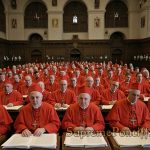
- Papal Conclave: Cardinals hold the exclusive responsibility of electing a new Pope. During a papal conclave, Cardinals seclude themselves in the Sistine Chapel to pray, deliberate, and vote. This sacred task underscores their vital role, guided by the Holy Spirit, in ensuring continuity in the Catholic Church’s leadership.
- Advising the Pope: Cardinals head various dicasteries and departments within the Roman Curia, helping shape Church policies and direction. They work in concert with the Supreme Pontiff to draft doctrinal statements, plan major Catholic events, and respond to global challenges.
- Pastoral Ministry: Many Cardinals continue to serve as archbishops or bishops of large dioceses. In these capacities, they shepherd the faithful, administer sacraments, and embody the Church’s pastoral mission. Their visibility in local communities makes them essential mediators between the universal Church and the laity.
4. The Red Vestments and Symbolism
Perhaps one of the most recognizable symbols of the cardinalate is the red attire. Cardinals wear red to signify their willingness to defend the Gospel and the Catholic Church, even at the cost of martyrdom if necessary. This outward sign testifies to the steadfast devotion of the Cardinals to Christ and the responsibilities they carry.
5. The Global Presence of Cardinals
Although many Cardinals reside in or around Vatican City, their impact extends across the globe. They hail from diverse cultures and nations, forming a tapestry of experiences and perspectives. This international dimension mirrors the Church’s universality — the Catholic Church strives to embody Christ’s message in every part of the world. Cardinals, therefore, represent their respective regions before the Holy See while reinforcing the bonds of communion among Catholic communities worldwide.
6. Selection and Appointment
The process of appointing a Cardinal is a deeply meaningful exercise, reflecting both the universal and local dimensions of the Church. The Pope carefully discerns candidates, taking into account their leadership, fidelity to Catholic teachings, pastoral experience, and proven commitment to their communities. Once chosen, the Pope announces the new Cardinal at a Consistory — a ceremony in which the red biretta (the Cardinal’s hat) is bestowed upon the honoree. This public celebration echoes the Church’s gratitude and trust in their new leaders.
7. Relevance and Significance Today
While centuries have passed since the cardinalate’s early beginnings, Cardinals in the Catholic Church remain more critical than ever. Modern challenges — ranging from social justice issues to technological advancements — demand the collective wisdom of leaders grounded in the love of Christ. Cardinals help ensure that the Church:
- Upholds doctrinal integrity amid cultural shifts.
- Offers pastoral solutions to pressing global matters, such as poverty, conflict, and the moral complexities of modern life.
- Strengthens charitable efforts and fosters dialogue with other faiths and world leaders.
- Continues evangelization, bringing the Good News to every continent.
8. Conclusion
Cardinals serve as the Pope’s “princes” not in a worldly sense but in a spirit of loving servanthood to God’s people. Their unwavering commitment, strategic leadership, and prayerful discernment illuminate the path of the Catholic Church in every generation. Through collaboration, prayer, and the rich legacy they share, Cardinals help shape Catholic identity and guide countless souls on their journey toward salvation in Christ.
Whether convening at a papal conclave or providing charitable leadership in their local dioceses, the College of Cardinals exemplifies the universality and inspiration at the heart of the Catholic Church. Their steadfast dedication to truth, along with a fervent love for the faithful, ensures that the mission given by Christ to his Church remains vibrant and relevant throughout all ages — cementing the Cardinals’ esteemed role as the enduring pillars of faith and service.



Leave a Reply