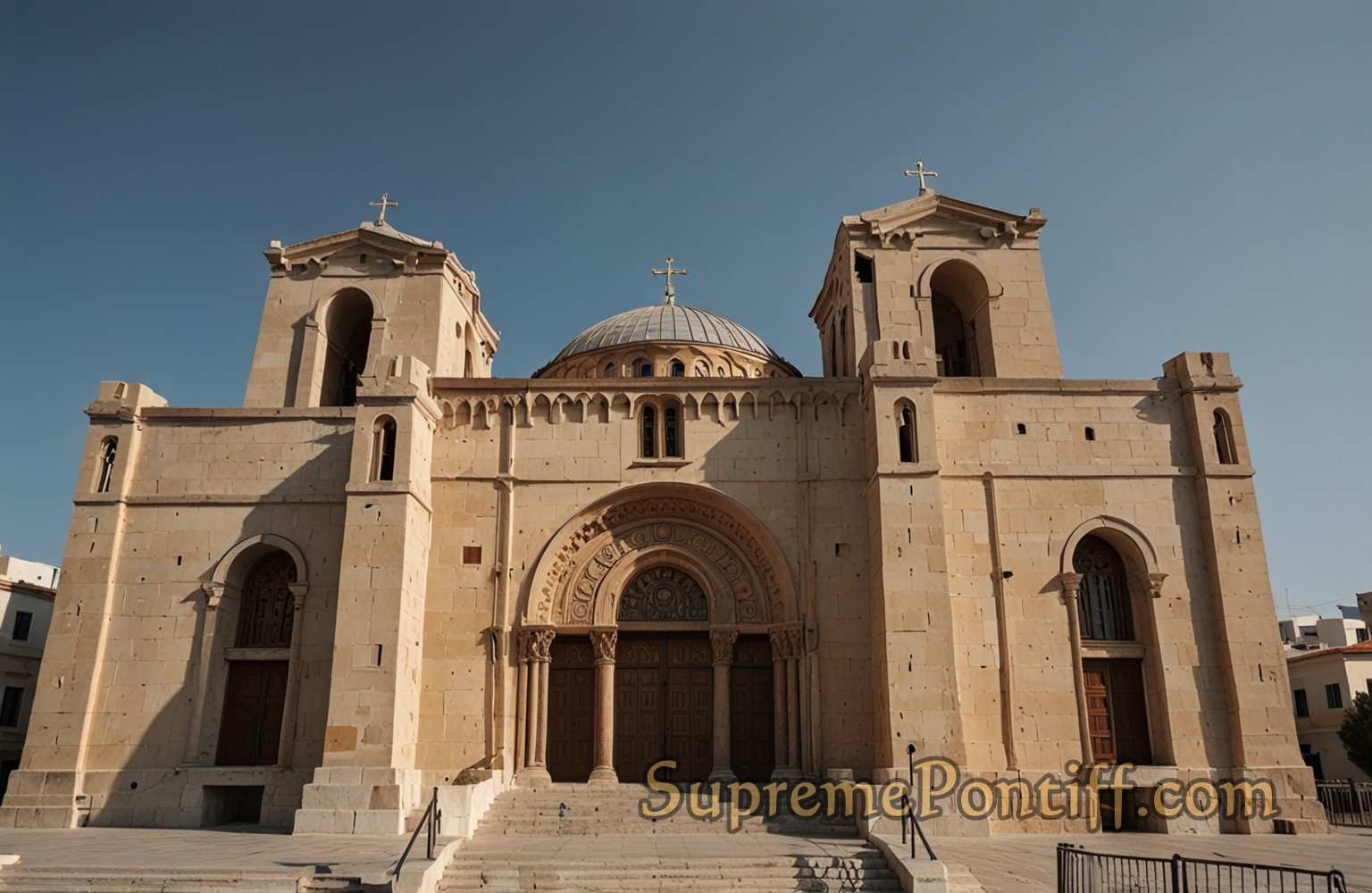
The Eastern Catholic Churches, sometimes referred to as the Eastern Rite Catholic Churches, are integral parts of the universal Catholic Church. They exist in full communion with the Pope of Rome while preserving the liturgical traditions, spirituality, and governance structures that reflect their ancient roots in the Eastern Christian world. These unique Churches contribute to the richness and diversity of Christianity, as they steadfastly maintain traditions that date back to the apostolic age. This article delves into their history, organization, traditions, and modern-day significance, highlighting their invaluable role in nurturing faith, unity, and spiritual growth across the globe.
1. Historical Overview
1.1 Apostolic Foundations
The Eastern Catholic Churches trace their origins directly to the apostles and early Christian communities in regions such as the Middle East, Eastern Europe, and parts of Asia. While each Eastern Church developed its distinctive liturgical and cultural expression over time, they share a common heritage of faith in Christ and the teachings passed down through the apostolic tradition. Their early expansion was fueled by zealous missionaries and devout communities who carried the Gospel message far beyond Rome.
1.2 Formation and Reunion with Rome
Over the centuries, various theological disputes, historical events, and administrative complexities resulted in schisms between the Churches of the East and the Latin Church. However, fervent dedication to Christian unity and mutual recognition of shared doctrinal truths led some Eastern communities to restore communion with the Pope. These communions, which resumed at different points in history, gave rise to the distinctive families of the Eastern Catholic Churches we see today.
2. Organizational Structure
2.1 Autonomous Churches
The Eastern Catholic Churches are organized as self-governing (sui iuris) communities, each with its own hierarchy, laws, and customs. They exercise autonomy in ecclesiastical governance while recognizing the Pope as the universal shepherd. This structure allows them to preserve their heritage while remaining in unity under the Bishop of Rome.
2.2 Patriarchal, Major Archepiscopal, and Metropolitan Churches
- Patriarchal Churches: Led by a patriarch who oversees the clergy and faithful within a defined territory. Examples include the Maronite and Coptic Catholic Churches.
- Major Archepiscopal Churches: Similar to patriarchal Churches, but they do not use the title “patriarch.” Notable examples include the Ukrainian Greek Catholic Church and the Syro-Malabar Church.
- Metropolitan Churches: Headed by a metropolitan archbishop, often in regions where the faithful live beyond the Church’s traditional homeland.
3. Liturgical Traditions
3.1 Ritual Families
The Eastern Catholic Rites can be grouped into major liturgical families. Some of these families include the Byzantine, Alexandrian, Antiochene, Armenian, and Chaldean traditions. Each tradition preserves distinct liturgical languages, chant styles, vestments, and rituals.
3.2 Divine Liturgy and Sacraments
A hallmark of Eastern Catholicism is the celebration of the Divine Liturgy rather than the Mass, although both are valid Eucharistic celebrations within the Catholic Church. This worship, replete with incense, iconography, and chant, fosters a deeply reverent atmosphere focused on communion with the Trinity. Eastern Catholic Churches also maintain distinct sacramental practices (e.g., administering Baptism, Confirmation, and Eucharist to infants at once) that underscore the profound interconnectedness of the mysteries of faith in Christ.
4. The Spiritual and Cultural Heritage
4.1 Deeply Spiritual Traditions
From the deeply prayerful traditions of Hesychasm in Byzantine Churches to the mystical commentaries of Syrian thinkers, the Eastern Catholic Churches present a wealth of spiritual treasures. Their prayer life, including the Jesus Prayer (“Lord Jesus Christ, Son of God, have mercy on me”), fosters intimacy with God and forms faithful disciples committed to holiness and Christian service.
4.2 Icons and Sacred Art
Eastern Catholic spirituality weaves richly with sacred art, especially in the form of icons. Icons hold a sacred place in worship, serving as “windows to heaven.” These holy images are not merely decorative pieces but instruments for bringing worshippers into the very presence of the divine mysteries.
5. Contributions to Unity and Evangelization
5.1 Bridge-Builders for Christian Unity
One of the greatest strengths of the Eastern Catholic Churches lies in their vocation to be bridge-builders. By maintaining dialogues and relationships with Eastern Orthodox and Oriental Orthodox Churches, they help foster Christian unity on local and global levels. Their communion with Rome, combined with an unwavering commitment to traditional Eastern expressions of divine worship, demonstrates the importance of respecting each other’s liturgical and cultural patrimony within the one Body of Christ.
5.2 Missionary and Ecumenical Impact
Beyond their geographic homelands, Eastern Catholics have an active evangelizing mission — particularly by witnessing to the vibrant spirituality of the East in predominantly Western contexts. Their presence around the world testifies to the universality of the Catholic Church and encourages collaborative outreach efforts that spread the Good News of Jesus Christ to every corner of the earth.
6. Modern-Day Challenges and Opportunities
6.1 Preserving Heritage in a Changing World
Eastern Catholic communities face the challenge of preserving ancient customs and liturgical forms in secular and pluralistic societies. However, many faithful see these circumstances as an opportunity to shine the light of Christ, demonstrating that time-honored spiritual traditions remain deeply relevant for human flourishing.
6.2 Caring for Persecuted Christians
In several regions, especially in the Middle East, faithful members of the Eastern Catholic Churches endure various forms of social and political hardship. Despite persecution and displacement, these steadfast believers stand as witnesses to Christian hope, ministering to others and maintaining vibrant communities under difficult conditions.
7. The Future of the Eastern Catholic Churches
7.1 Youth and Vocation
The vitality of Eastern Catholicism largely depends on nurturing the faith of young people and fostering religious vocations. By transmitting authentic traditions and offering solid catechesis, these Churches make strides in equipping new generations to embrace the call to holiness and share the joy of the Gospel.
7.2 Global Renewal and Evangelization
In communion with the Pope, the Eastern Catholic Churches envision a renewed global witness — testifying to the unwavering truth and relevance of the Catholic faith in the modern world. Through continued collaboration among the various sui iuris Churches, they embrace advancing technology and social outreach, ensuring that the Gospel message of unity, charity, and hope remains accessible to all.
Conclusion
The Eastern Catholic Churches stand as a radiant testament to the unity-in-diversity that characterizes the universal Catholic Church. Their enduring adherence to the Pope’s authority, balanced with their autonomous traditions of worship and governance, reveals a compelling portrait of the Church’s richness. Through their ancient roots, vibrant spirituality, and unwavering commitment to Christ, these communities perform an invaluable service by nourishing souls, promoting Christian unity, and providing a powerful witness to God’s grace and love.
From their apostolic origins to their modern-day expansion, the Eastern Catholic Churches embody a profound fidelity to the Gospel that continues to inspire both believers and seekers worldwide. In an age when faith is challenged on many fronts, these Churches remind us that the splendored fullness of Christianity remains alive — a living testament to the grace, power, and unchanging truth of our Lord Jesus Christ.

Leave a Reply