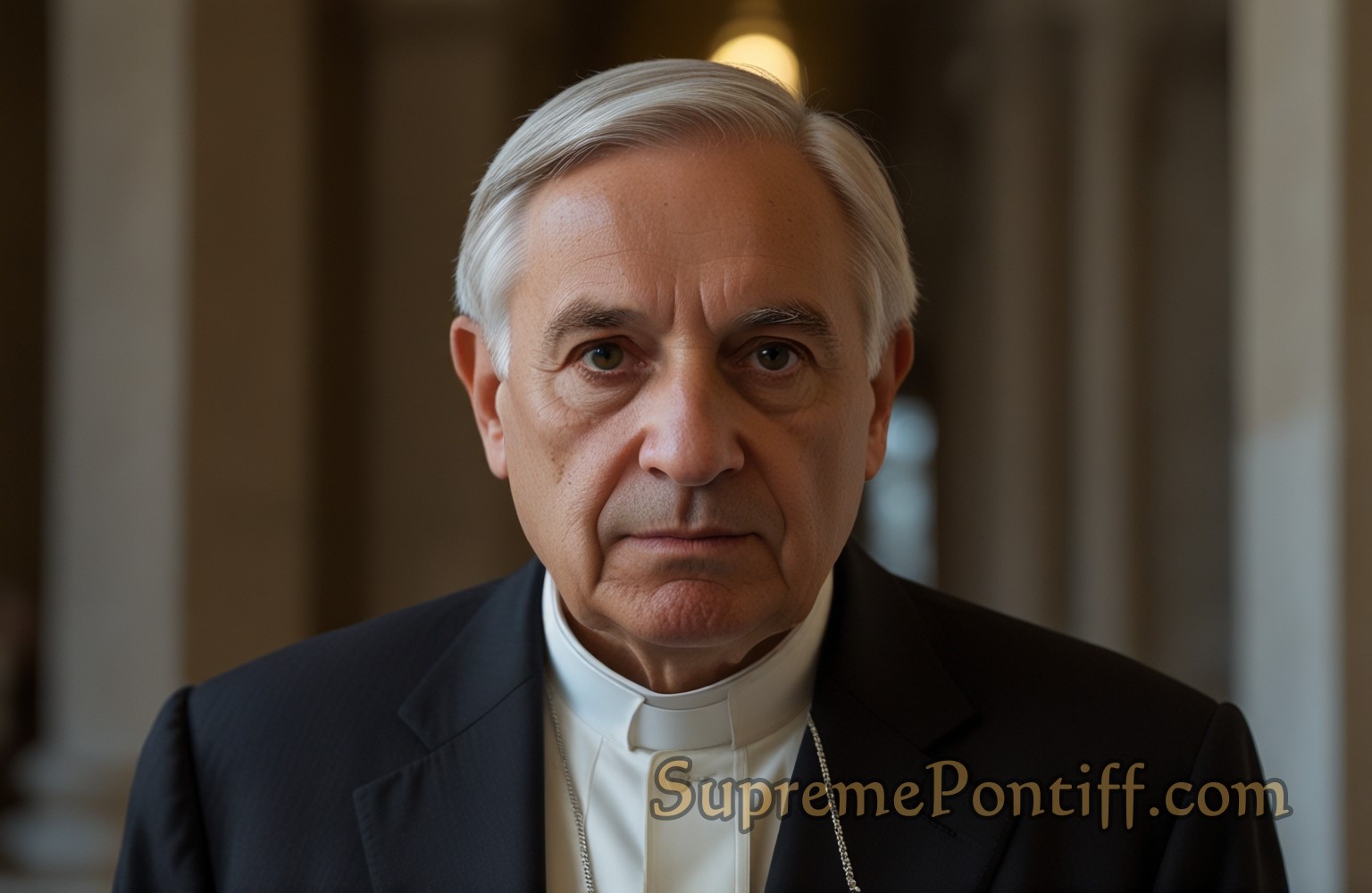
The Cardinal Secretary of State, heading the Secretariat of State of the Holy See, stands at the heart of Catholic leadership and is widely regarded as the Pope’s principal advisor in a wide variety of matters. The position, deeply rooted in the history and traditions of the Church, embodies both devotion to the Gospel and a commitment to upholding Catholic teaching in a rapidly changing world. Through close collaboration with the Pope, the Cardinal Secretary of State supports and furthers the Church’s mission of guiding the faithful toward Christ.
I. Historical Overview of the Cardinal Secretary of State
The Cardinal Secretary of State holds a seat of great importance in the Catholic Church that dates back several centuries. While its exact origins can be traced to the early administrative needs of the papacy in the Roman Curia, it was Pope Leo XIII (1878–1903) who modernized aspects of the office in light of the Church’s evolving role in international affairs. Throughout history, secretaries and officials assigned to this function have overseen not only the spiritual welfare of the faithful but also matters of diplomacy and administration.
Over time, this position grew more influential, mirroring the Catholic Church’s increased engagement with global affairs. The Secretary of State became the Pope’s right-hand figure, helping ensure that the Church’s voice remains clear, consistent, and firmly grounded in the truths of the Gospel. As Catholicism was spread across continents, the authority of the Cardinal Secretary of State solidified, highlighting the timeless mission of Christ’s Church to bring souls closer to salvation.
II. Role, Duties, and Responsibilities
1. Chief Administrator of the Vatican
- The Cardinal Secretary of State manages and coordinates the various departments of the Roman Curia, the governing body of the Holy See.
- Ensuring efficient communication between dicasteries, he oversees the Secretariat of State’s two primary sections: the Section for General Affairs and the Section for Relations with States.
- A newer third section, established by Pope Francis in 2017, specifically supports the diplomatic staff of the Holy See, recognizing the Church’s unique presence in the global community.
2. Diplomatic and International Role
- Acting as the Holy Father’s chief diplomat, the Cardinal Secretary of State represents the Church in negotiations with world leaders, international organizations, and civil governments.
- This includes preparing and ratifying agreements, signing treaties, and engaging in dialogue that advocates peace, justice, and moral values derived from the teachings of Jesus Christ.
- By promoting the Church’s pro-life ethics, social justice, and religious freedom, the Cardinal Secretary of State brings the light of the Gospel to a global stage.
3. Closest Collaborator to the Pope
- The Cardinal Secretary of State is often referred to as the Pope’s closest collaborator, assisting the Holy Father in every sphere: spiritual, pastoral, diplomatic, and administrative.
- This close relationship underlines how the office is an extension of the Pontiff’s pastoral heart, helping drive forward the evangelical mission of the Church.
- Working in unity with the College of Cardinals and other Church leaders, the Secretary ensures that the faithful across the world feel the Holy Father’s guiding presence.
III. Current Cardinal Secretary of State
Cardinal Pietro Parolin served as the Cardinal Secretary of State, having been appointed by Pope Francis on October 15, 2013. Deeply committed to evangelization and charity, Cardinal Parolin’s dedication to connecting Catholic teachings with pressing global issues reflects the Church’s ongoing efforts to remain steadfast in faith while also addressing real-world challenges. His leadership both strengthens the bonds between the Holy See and international communities and reaffirms the Church’s moral voice, rooted in Christ’s love, compassion, and truth.
IV. Significance in the Modern World
1. Guardian of Faith and Doctrine
- In preserving the integrity of the Catholic faith, the Cardinal Secretary of State helps affirm the Church’s commitment to timeless Christian teachings.
- By proclaiming the Gospel message, the Secretary fosters unity among bishops, clergy, religious, and laity, ensuring the universal Church’s outward focus in living out Christ’s mission.
2. Catalyst for Ecumenical and Interreligious Dialogue
- Recognizing the importance of building bridges of friendship and respect, the Cardinal Secretary of State supports the Pope in promoting harmony among different Christian denominations and other faith traditions.
- Through open dialogue, the Church grows more vibrant, and Christians everywhere are strengthened in their witness to Jesus Christ, the Prince of Peace.
3. Voice of Compassion and Hope
- In a time of social conflict and moral uncertainty, the Cardinal Secretary of State offers strong leadership rooted firmly in the Gospel message of love, hope, and justice.
- By forging peaceful ties throughout the world, protecting the vulnerable, and advocating for ethical responsibility, this office remains a beacon of Christ’s radiant mercy.
V. Concluding Reflections
The Cardinal Secretary of State, as head of the Secretariat of State of the Holy See, continues to be an indispensable pillar in the service of the Catholic Church. Through pastoral accompaniment, diplomatic engagement, and unwavering commitment to Catholic principles, the Cardinal Secretary of State ensures the Pope’s ministry is effectively carried out for the good of all people, reflecting the eternal truths of our Christian faith. Seeking always to glorify God, advocate for justice, and spread the light of the Gospel, this position stands as a testament to the Church’s enduring desire to bring the love of our Lord Jesus Christ to every corner of the world.
Leave a Reply