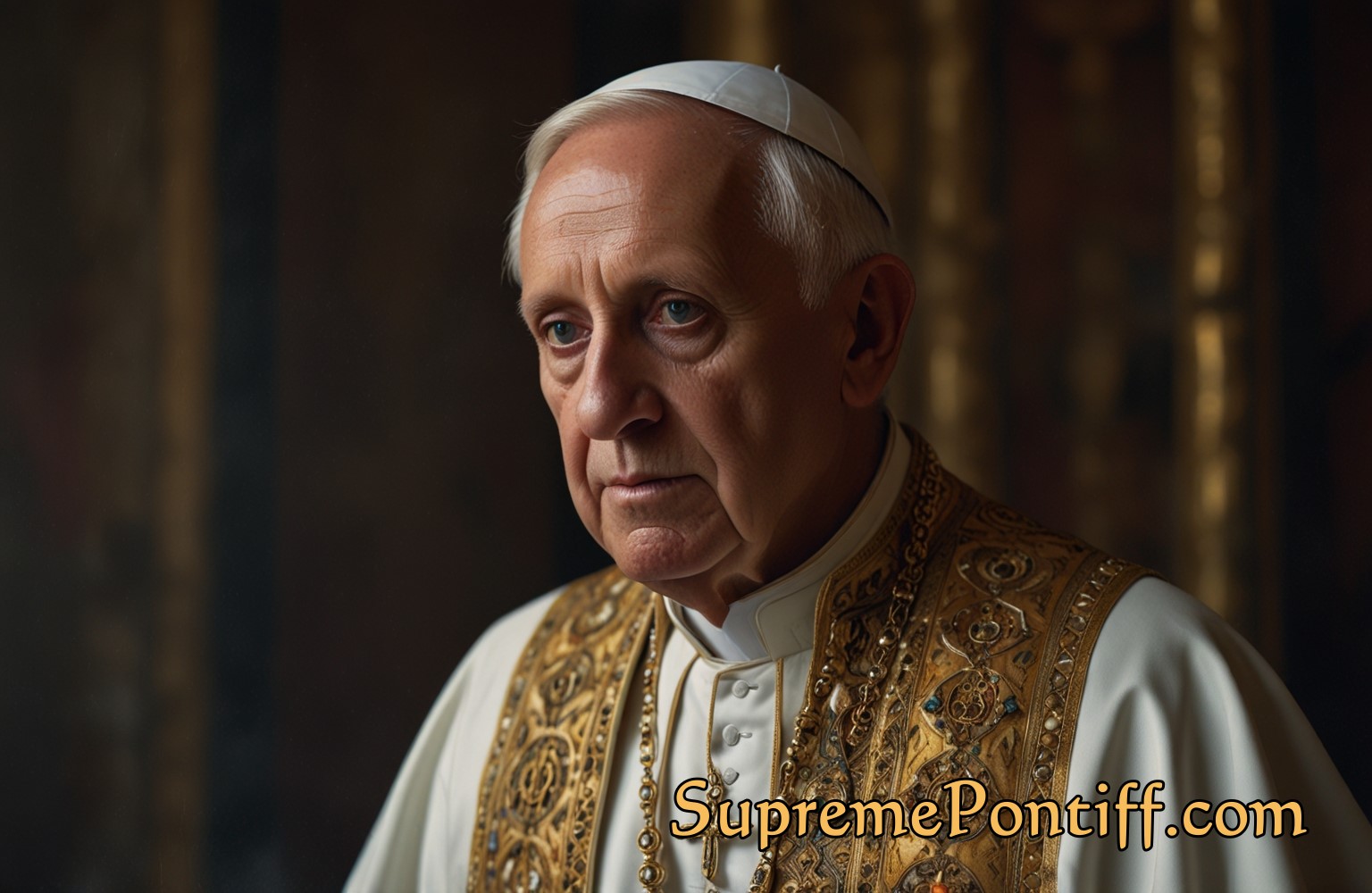
The title “Supreme Pontiff” traditionally refers to the Bishop of Rome, more commonly known as the Pope. This designation carries significant religious, historical, and symbolic implications, primarily within the context of Catholicism, which is the largest Christian church with over a billion members worldwide. To understand fully who the supreme pontiff is, it is important to explore the etymology of the title, the roles and responsibilities attributed to this position, and the historical evolution that has defined its significance over the centuries.
Etymology and Definition
The term “pontiff” originates from the Latin word “pontifex,” which historically meant “bridge-builder.” This term was used in ancient Rome not only for engineers and builders but also metaphorically for priests, suggesting their role as a bridge between humans and the divine. The adjective “supreme” indicates the highest rank or authority. Hence, “Supreme Pontiff” denotes the highest spiritual leader in Catholicism, responsible for leading and serving as the chief intermediary between the congregation of the faithful and God.
Roles and Responsibilities
The Supreme Pontiff, or Pope, serves as the spiritual leader of the Roman Catholic Church. His responsibilities are vast and multifaceted, encompassing religious, administrative, and diplomatic roles:
- Religious Leadership: The Pope is regarded as the Vicar of Christ on Earth, tasked with the pastoral care of the entire Church. He sets the tone for church doctrine, liturgy, and spirituality. This includes definitive proclamations regarding faith and morals, known as “papal infallibility,” a doctrine that asserts that the pope is preserved from the possibility of error when “he proclaims by a definitive act some doctrine of faith or morals.”
- Governance of the Vatican and the Church: The Pope is also the sovereign of the Vatican City State, a city-state enclaved within Rome. This role involves administrative decisions, both minor and major, related to the functioning of the Church’s vast global infrastructure.
- Unity of the Church: One of the Pope’s primary roles is to maintain and promote the unity of the Church globally. This includes diplomacy not just within the Church through ecumenical relations but also with other religions and secular entities.
- Teaching: The Pope has a key role in catechesis, or teaching of the faith, which he does through encyclicals, apostolic letters, and exhortations, as well as more modern forms of communication like social media.
- Service and Charity: Emulating Christ’s role as servant to all, the Pope also engages directly in acts of charity and calls attention to social justice issues such as poverty, injustice, and global crises.
Historical Evolution
The office of the Pope has evolved significantly since its inception. According to Catholic tradition, the role was established by Jesus Christ, who appointed Saint Peter, one of his Apostles, as the first leader of the Church, giving him the keys to the Kingdom of Heaven (Matthew 16:18-19). The title “Pope” itself (from the Greek “Papas” meaning “Father“) was adopted several centuries later, reflecting the paternal role the Bishop of Rome held over the Church.
Over the millennia, the influence of the Papacy has waxed and waned, witnessing periods of significant temporal power, particularly in the Middle Ages, as well as times of spiritual renewal and reform, such as during the Reformation and the Counter-Reformation. In modern times, particularly through the 20th century to the present, the role of the Pope has progressively leaned more towards spiritual leadership and global advocacy for peace, justice, and poverty alleviation.
Conclusion
Understanding who the supreme pontiff is requires more than a knowledge of the person currently holding the position; it necessitates an appreciation of a complex and profound office that has shaped, and been shaped by, numerous historical and cultural tides. The Pope, as the Supreme Pontiff, remains a central figure in both religious and secular realms, wielding substantial influence on world affairs and embodying the principles and challenges of modern religious leadership.


Leave a Reply