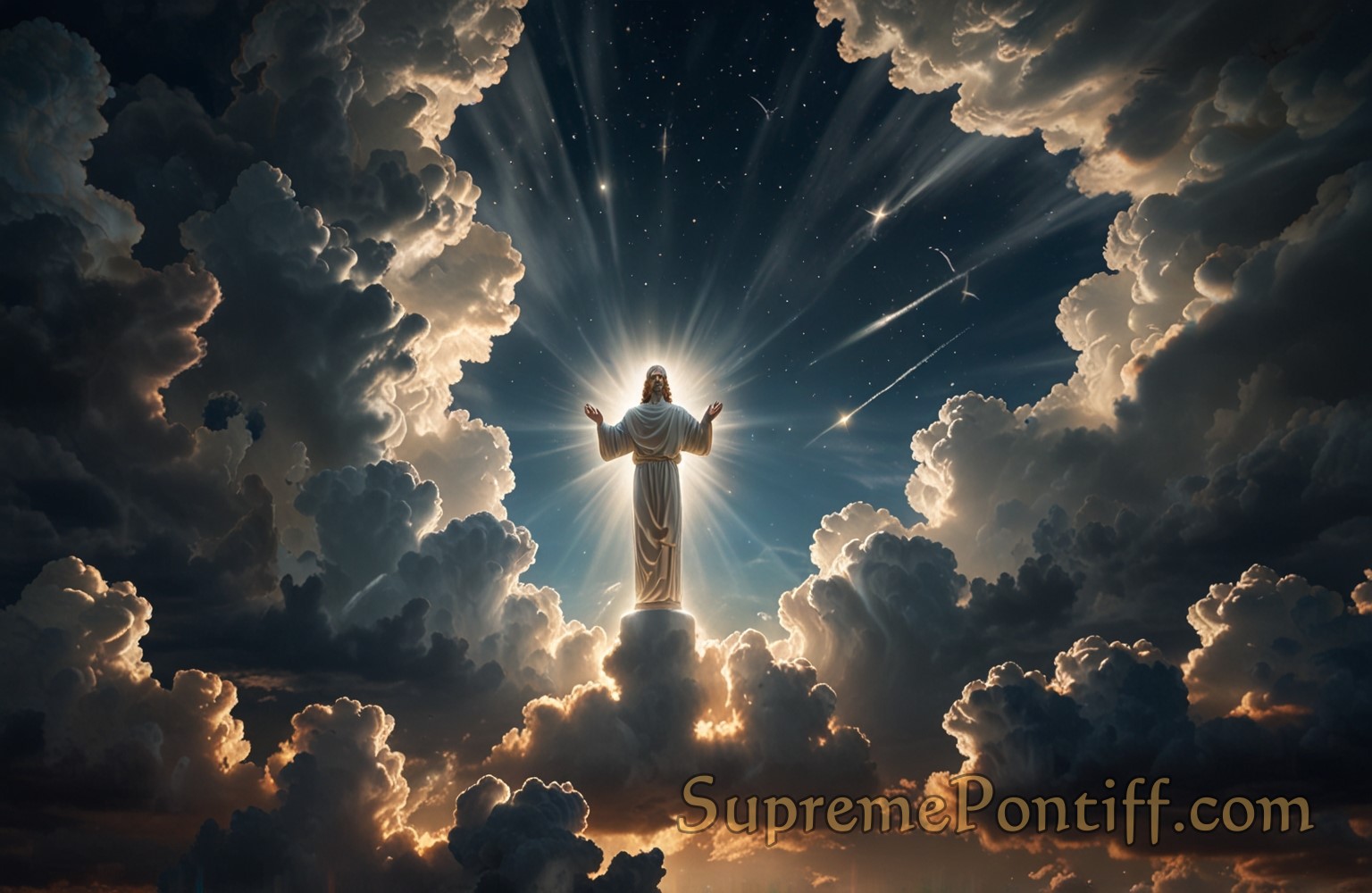
The concept of God in Christianity is deeply rooted in the theological, historical, and spiritual foundations laid by the Bible, church tradition, and centuries of religious thought. Central to Christian belief, God is understood as the supreme being, the creator of the universe, and the ultimate source of morals and ethics. This article seeks to explore the multifaceted nature of God from a Christian standpoint, encompassing theological attributes, the doctrine of the Trinity, God’s interaction with humanity, and the implications for Christian life.
The Nature and Attributes of God
At the core of Christian theology is the belief in one God who is both immanent and transcendent. The divine attributes, often discussed by theologians, highlight this duality.
- Omnipotence: God is all-powerful. This aspect is underlined by narratives of creation, miracles, and divine intervention that are found throughout the Bible. His omnipotence indicates that there is no limit to God’s power over the natural and supernatural worlds.
- Omniscience: God is all-knowing, possessing complete and infinite knowledge of past, present, and future. This ensures believers that God understands every aspect of human life and the universe fully.
- Omnibenevolence: God is all-loving, epitomizing the perfect moral standard. God’s love is manifest in the Christian narrative through the sending of His Son, Jesus Christ, to redeem humanity.
- Omnipresence: God is present everywhere, allowing for a personal relationship with believers no matter their location. This concept provides comfort to Christians, affirming that they are never alone.
- Immutability: God’s nature does not change. This consistency offers believers a stable foundation in a changing world, emphasizing the timeless reliability of God’s promises.
The Doctrine of the Trinity
One of the most distinctive elements of the Christian understanding of God is the doctrine of the Trinity. The doctrine posits that one God exists in three persons: Father, Son, and Holy Spirit — co-equal and co-eternal.
- God the Father: Often viewed as the creator and sustainer, God the Father is the origin from whom all things proceed. In the Father’s role, attributes like providence and justice are emphasized.
- God the Son (Jesus Christ): Central to Christian faith, Jesus is both fully divine and fully human. Through his life, death, and resurrection, he provides the pathway to salvation for believers. His teachings, actions, and sacrifice reveal the nature and character of God, especially His love and redemptive purpose.
- God the Holy Spirit: The Holy Spirit is God’s presence in the world today, guiding, comforting, and empowering believers. It plays a crucial role in sanctification, the process of becoming more Christ-like.
God’s Relationship with Humanity
Christianity teaches that God’s relationship with humanity is characterized by love and a desire for a personal relationship with each individual. This is primarily understood through:
- Creation and Providence: Humans are believed to be made in God’s image, granting them inherent dignity and purpose. God’s providential care ensures the protection and guidance of creation.
- Covenants: Throughout the Bible, God establishes covenants with His people, reflecting a committed relationship. The New Covenant, instituted by Jesus, offers salvation and eternal life.
- Salvation and Redemption: A defining tenet of Christianity is the belief in Jesus Christ’s sacrificial death and resurrection as the means of redeeming humanity from sin. Salvation is viewed as a gift from God, accessible by grace through faith.
- Prayer and Worship: Interaction with God is facilitated through practices like prayer, worship, and sacraments. These not only affirm faith but nurture the ongoing relationship between believers and God.
Implications for Christian Life
Belief in God has profound implications for how Christians live their lives, shaping ethics, behavior, and worldview:
- Moral Transformation: Christians are called to a higher ethical standard, reflecting God’s character in their lives through acts of love, justice, and mercy.
- Community and Mission: The Christian life is meant to be lived in community, with a mission to spread the Gospel and exemplify God’s love in the world. The church, as the body of Christ, is a communal space for worship, service, and spiritual growth.
- Hope and Eschatology: Belief in God’s promises and the hope of eternal life provide comfort and motivation. Christian eschatology offers a vision of history culminating in the ultimate realization of God’s kingdom.
Conclusion
In Christianity, the understanding of God is profoundly comprehensive, engaging believers not only intellectually but also spiritually and practically. By embracing the complexity and depth of God’s character and attributes, Christians find a source of inspiration, guidance, and unwavering support in their faith. Through the doctrine of the Trinity and the narrative of salvation, Christians are invited into a transformative and eternal relationship with God, influencing every aspect of their lives and interactions with the world around them.



Leave a Reply