
In an unprecedented moment for the Catholic Church, the upcoming Papal Conclave on May 7, 2025, is poised to be the largest gathering of cardinal electors ever assembled in the Sistine Chapel. This momentous event follows the passing of Pope Francis, who died on April 21, 2025, and whose funeral was held on April 26 at St. Peter’s Basilica. As the Church prepares to elect the 266th successor of St. Peter, faithful Catholics around the world are uniting in prayerful anticipation for this historic milestone.
1. The Passing of Pope Francis and His Legacy
Pope Francis, whose pontificate began in 2013, left an indelible mark on the global Catholic community through his dedication to humility, service, and outreach to the margins of society. Amid a profound sense of loss, grief gave way to hope and trust that the Holy Spirit will guide the entire Church to choose a worthy successor. Catholics everywhere, strengthened by faith, eagerly look to this upcoming Papal Conclave to reaffirm the bedrock belief that Christ continues to watch over His Church.
2. A Record-Breaking Number of Cardinal Electors
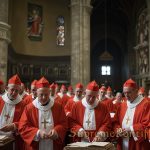
According to the College of Cardinals, 133 cardinal electors under the age of 80 are expected to participate in the May 7 Conclave — the largest number of voting cardinals in any Papal Conclave in the history of the Catholic Church. This breaks the previous record high of 115 electors in both the 2005 and 2013 conclaves. While the 120-elector cap was originally instituted by St. John Paul II in his 1996 apostolic constitution Universi Dominici Gregis, Pope Francis lawfully dispensed with this numerical limit, exercising his supreme authority to include a broader representation of the global Church.
3. The Dispensation from the 120-Elector Limit
Under paragraph 33 of Universi Dominici Gregis, the number of voting cardinals was set at 120. However, paragraph 36 clarifies that every cardinal “created and published before the College of Cardinals” retains the fundamental right to elect the next pope. Pope Francis — like his predecessors — occasionally granted dispensations that allowed the roster of eligible electors to exceed 120. Now, for the first time, a conclave will begin with more than 120 voting cardinals present.
4. Profiles of the Conclave Electors
Originally, 135 cardinals under the age of 80 were eligible to vote in this confraternal gathering. However, due to health concerns, Spanish Cardinal Antonio Cañizares and Kenyan Cardinal John Njue will not attend, leaving 133 active participants. The two-thirds majority required for a candidate to become the next pope therefore stands at 89 votes. With cardinals hailing from 71 different nations across six continents, the Conclave promises unparalleled geographic and cultural diversity. Italy, the United States, and Brazil form the largest national groups within this diverse assembly, reflecting the truly universal nature of the Catholic Church.
5. Comparing Past and Present Conclaves
Since Pope St. John Paul II’s allowance for the College of Cardinals to exceed 120 members — at times peaking at 135 in 2001 — no previous conclave had actually opened with more than 120 electors. In 2005, for example, 117 cardinals took part in the Papal Conclave that eventually elected Pope Benedict XVI. The 2013 Conclave that saw Pope Francis elected also included 117. These numbers pale in comparison to renaissance-era conclaves, which were far smaller; one of the largest such gatherings in 1503 saw just 39 voting cardinals.
- Lengthy Conclaves of the Past: Conclaves in earlier centuries could last many months or even years. The most protracted of these stretched on for over 1,000 days when selecting Pope Clement IV’s successor in the 13th century.
- Modern Trends: In more recent decades, papal conclaves seldom extended beyond a few days, underscoring the Catholic Church’s refined methods and the cardinals’ clear sense of collective mission steered by the guidance of the Holy Spirit.
6. The Significance of May 7, 2025
For the faithful, the date of May 7 bears tremendous significance: it stands as a day when the “doors” of the Sistine Chapel will be “closed” to the outside world, symbolizing a solemn retreat into prayer for the cardinal electors. Catholics worldwide look forward to the white smoke billowing from the Sistine Chapel’s chimney, signaling the successful election of the next pontiff. Building on Pope Francis’ commitment to compassion and evangelization, the new pope will carry on the responsibility of shepherding over one billion Catholics. Through the Holy Spirit’s guidance, this Conclave reaffirms the Church’s continuity with apostolic tradition and Christ’s promise to remain with His people.
7. A Strong Proclamation of Faith and Unity
As believers eagerly await the outcome of the largest Papal Conclave in Catholic history, there is renewed affirmation of the Church’s unity and the enduring power of faith. Far from being a mere procedural affair, this gathering in Rome is an expression of divine guidance, reminding the faithful that Christ’s Church is built upon the rock of St. Peter. The cardinal electors convene in a spirit of fraternity, trusting the Holy Spirit to lead them toward a new Rome-based successor of St. Peter who will champion the timeless truths of the Gospel.
Conclusion
The 2025 Papal Conclave stands as a testament to the Catholic Church’s enduring presence and its universal reach around the globe. With 133 cardinal electors preparing to cast their votes in the sacred Sistine Chapel, this momentous event both honors Pope Francis’ memory and ushers in a hopeful new chapter in the Church’s long and storied history. Throughout the ages, Christians have held fast to the belief that the Holy Spirit directs the Church, and this upcoming Papal Conclave underscores that very conviction. As faithful Catholics witness the world’s largest gathering of cardinals, hearts are stirred by the unwavering truth: the gates of eternity remain open as Christ’s vicar on Earth is called to lead the Body of Christ through the challenges and triumphs that lie ahead.


Leave a Reply