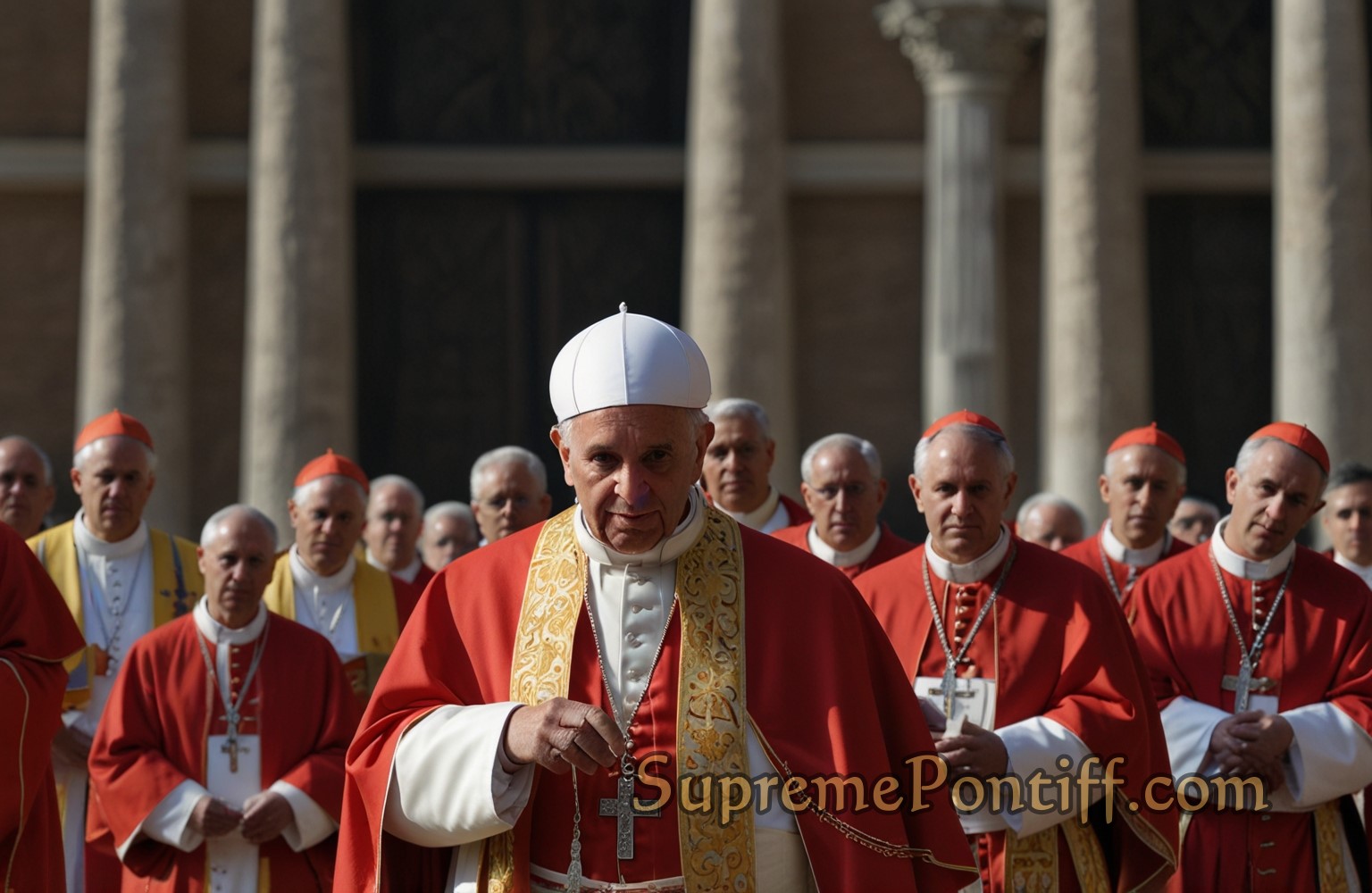
A Papal Conclave is the sacred gathering of the College of Cardinals convened to elect a new pope, who is regarded by faithful Catholics and Christians worldwide as the successor to the Apostle Peter and the Vicar of Christ on Earth. This time-honored process stands at the very heart of Roman Catholic tradition, demonstrating the reverence, prayerful discernment, and global unity that befits the universal Church. The Papal Conclave encapsulates centuries of spiritual heritage and exemplifies Christians’ unwavering devotion to ensuring the continuity of apostolic leadership. In this article, we will delve into the history, purpose, procedure, and spiritual significance of the Papal Conclave, reflecting on its crucial role in guiding millions of believers.
Historical Overview
The roots of the Papal Conclave extend back to the early centuries of Christianity, although not always in the precise, codified form observed today. In the early Church, popes were often elected by acclamation by the clergy and the laity of Rome. Over time, as Christianity spread across Europe and beyond, the process for choosing a new pope underwent refinement.
- Origins of Conclave: The word “conclave” derives from the Latin cum clave (meaning “with a key”). It points to the tradition of locking the cardinals away until they come to a unanimous decision.
- 13th-Century Reform: A pivotal moment occurred in the late 13th century during the election of Pope Gregory X. Frustrated by political interference and extended vacancy of the Holy See, Gregory X introduced strict regulations and locked the cardinals within the confines of the papal palace in Viterbo. This set a precedent for each subsequent Papal Conclave.
- Expanding the Cardinalate: Over the centuries, as the Church advanced its mission worldwide, popes created more cardinals from diverse regions, thus reflecting the universal nature of the Church.
Modern Purpose and Importance
The main objective of the Papal Conclave is to elect the Bishop of Rome, who simultaneously becomes the spiritual leader for more than a billion Catholics. The selection of the pontiff holds immense importance not only for Roman Catholics but for the Christian community at large.
- Continuity of Apostolic Succession: According to Catholic doctrine, a pope is the direct successor to Saint Peter, entrusted with preserving and interpreting Church teachings faithfully.
- Global Impact: Since the pope has significant moral and spiritual influence across the world, his guidance extends to a variety of social, religious, and humanitarian matters.
- Symbol of Unity: A Papal Conclave underscores the unity of believers under one spiritual head, mirroring the biblical call for Christians to remain united in love and truth.
Eligibility and Participants
Those eligible to vote in a Papal Conclave are cardinals under the age of 80, as mandated by Pope Paul VI and confirmed by subsequent pontiffs. The College of Cardinals collectively represents countless regions and cultures, including Africa, the Americas, Asia, Europe, and Oceania. Their diversity mirrors the universal reach of the Catholic Church.
- Election Threshold: Traditionally, a two-thirds majority is required for a cardinal to be elected pope. This ensures broad support and fosters an environment of deep reflection and prayerful deliberation.
- Role of Senior Cardinals: The Dean of the College of Cardinals oversees the electoral process, while other senior cardinals assist in leading the ceremonies and verifying the ballots.
Conclave Procedures
Once a reigning pope dies or resigns, the seat of the Bishop of Rome is deemed vacant (the “sede vacante”). Preparations immediately commence for the conclave.
- Pre-Conclave Meetings: The cardinal-electors convene in General Congregations, discussing Church governance issues, the state of global evangelization, administrative tasks, and essential logistical details.
- Moving to the Conclave: The cardinals then move to the Domus Sanctae Marthae (a residence in Vatican City) and gather in the Sistine Chapel to begin the voting process.
- Secrecy and Silence: During the conclave, strict secrecy is observed. Communication with the outside world is restricted to allow the electors to discern God’s will through prayer.
- Prayerful Discernment: Each cardinal is expected to pray for the guidance of the Holy Spirit, trusting God to enlighten them in choosing the leader best suited for the Church.
- Daily Ballots: Typically, four ballots occur each day — two in the morning and two in the afternoon. After each round, the ballots are burnt. Black smoke (fumata nera) indicates no conclusive vote, whereas white smoke (fumata bianca) announces the election of a new pope.
- Acceptance and Announcement: Once a cardinal has obtained the required majority and accepted his election, he is asked what name he wishes to be called. Historically, many popes have chosen a regnal name inspired by a saint, biblical figure, or previous pontiff.
- Habemus Papam: The cardinal protodeacon then appears on the balcony of St. Peter’s Basilica to proclaim, “Habemus Papam” (“We have a pope!”).
- First Blessing: The new pope gives the Urbi et Orbi blessing (to the city of Rome and the world), signifying his role as shepherd to all believers.
Spiritual Meaning and Devotion
From a Christian perspective, the Papal Conclave is more than a mere administrative procedure. It is steeped in prayer and reverence, with each step anchored in the acknowledgment that the Holy Spirit guides the decision. For devout Catholics, the conclave reaffirms their faith that Christ unceasingly watches over His Church, guarding its teachings and its mission.
- Role of the Holy Spirit: The Church teaches that the Holy Spirit inspires the cardinal-electors to choose the shepherd who will lead faithfully and compassionately.
- Deep Devotion: Millions of believers worldwide unite in prayer during a conclave, invoking God’s grace for the cardinal-electors and for the new pope to be a beacon of Christ’s love.
- Continuity of Tradition: The solemn traditions, votive Masses, and liturgies that accompany the conclave highlight the unbroken line of apostolic faith cherished by Christians.
Recent Conclave and Looking Ahead
The most recent Papal Conclave took place in March 2013, following the unprecedented resignation of Pope Benedict XVI. The cardinals elected Pope Francis, formerly Cardinal Jorge Mario Bergoglio of Argentina. His election typified the truly universal nature of the Catholic Church, as Francis became the first pope from the Americas and the Southern Hemisphere.
Since then, Pope Francis has highlighted themes of mercy, care for the poor, and evangelization in today’s world. Though Popes typically serve until death, Canon Law makes provision for resignation, ensuring that if such a situation arises again, the Papal Conclave will be reconvened, underscoring the Church’s commitment to a robust and coherent apostolic succession.
Conclusion
The Papal Conclave is a cherished and divinely guided event in the life of the Catholic Church, symbolizing both continuity and unity within Christianity. Through centuries of faithful tradition, cardinals gather in prayerful discernment to elect the Vicar of Christ — a momentous choice that resonates with Christians worldwide. Importantly, this institution highlights the unwavering belief that the God who entrusted His Church to Saint Peter continues to guide and protect it today.
For believers, the conclave is a shining example of the sacred bond between heaven and earth — a resolute testimony to our abiding Christian faith. As the Church looks to the future, the Papal Conclave remains a beacon of hope, steadfast leadership, and spiritual direction for all, ensuring the timeless proclamation of the Gospel in an ever-changing world.


Leave a Reply