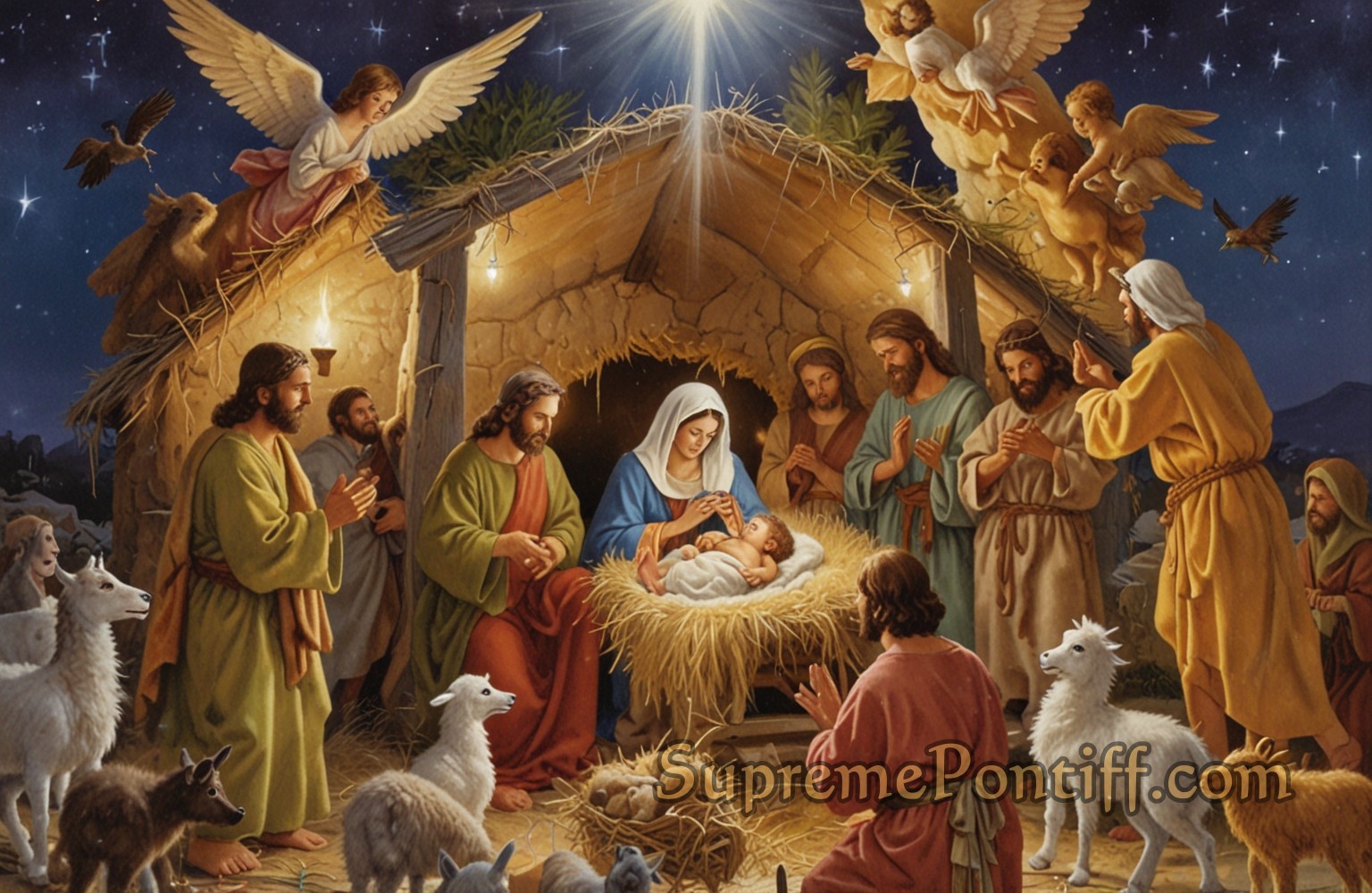
The Birth of Jesus Christ stands at the heart of Christian faith and tradition, marking the moment God’s eternal plan of redemption broke into human history. For centuries, followers of Jesus have celebrated this momentous arrival as Christmas, a season meant to honor the unparalleled gift of the Messiah to the world. Today, we reflect on the scriptural accounts, historical context, and spiritual significance of the Nativity, affirming its profound relevance for Christians worldwide.
1. Prophetic Foundations and Divine Promise
Long before the actual birth of Jesus Christ, the Old Testament foretold the coming of a Savior. Passages like Isaiah 7:14 promise a virgin birth: “Therefore the Lord himself will give you a sign. Behold, the virgin shall conceive and bear a Son, and shall call His name Immanuel.” These prophecies shaped Jewish expectations of a Messiah who would liberate and bring God’s Kingdom to earth. Christians believe Jesus is the fulfillment of these promises, demonstrating God’s faithfulness and love for humanity.
2. Scriptural Narratives: Matthew and Luke
Two Gospels within the New Testament — Matthew and Luke — offer detailed accounts of the Birth of Jesus Christ.
- Matthew 1–2: Emphasizes Jesus’ legal lineage through Joseph, fulfilling Old Testament prophecies about the Messiah descending from the line of King David. In Matthew 1:23, we find another reference to Isaiah’s prophecy: “Behold, the virgin shall be with child… and they shall call his name Immanuel.”
- Luke 1–2: Presents critical details about Mary’s angelic visitation and the humble circumstances surrounding the Nativity. Luke 2:11 declares, “For unto you is born this day in the city of David a Savior, who is Christ the Lord.” The Gospel of Luke also offers the beloved story of shepherds, angels singing “Glory to God in the highest,” and the baby lying in a manger.
In these accounts, Mary’s faith, Joseph’s trust, and God’s miraculous intervention underscore the miraculous nature of Jesus’ arrival.
3. Bethlehem: The Chosen Location
The small town of Bethlehem, recognized in the Old Testament as David’s ancestral home, became the prophesied birthplace of the Messiah. Luke explains that the Roman census under Caesar Augustus led Joseph and Mary from Nazareth to Bethlehem, where Jesus was born (Luke 2:1–7). This humble setting highlights how God’s plan often unfolds in inconspicuous ways — giving courage to believers who find themselves in unexpected or challenging circumstances.
4. The Nativity Scene: Symbol of God’s Humility
One of the most cherished images in Christian tradition is the Nativity scene: a biblical tableau of Mary and Joseph gathered around the newborn Jesus in a stable or cave, visited by shepherds and the eventual arrival of wise men (or Magi). The stable underscores the humility of the Messiah’s beginnings. It also reveals God’s heart for the lowly and marginalized, as the shepherds — then considered social outcasts — received the angelic announcement of Jesus’ birth before kings or dignitaries.
5. The Magi and the Star of Bethlehem
Though the shepherds arrived on the night of Jesus’ birth, the Gospel of Matthew states that “wise men from the East” (Matthew 2:1) came sometime later, guided by the Star of Bethlehem. They brought gifts of gold, frankincense, and myrrh — signifying recognition of Jesus’ identity as King (gold), High Priest (frankincense), and Sacrificial Savior (myrrh). This event highlights the universal scope of salvation: Jesus’ birth was not just for Israel but for all who seek Him.
6. How Jesus’ Arrival Marked the First Christmas
The word “Christmas” derives from “Christ’s Mass,” a term that commemorates the worship and Eucharistic celebration surrounding Jesus’ birth. While early Christians did not initially fix December 25 as the date, by the fourth century this day was widely recognized as the official commemoration of the Nativity. For believers, the essence of Christmas is not in the date but in the celebration of God incarnate — “the Word became flesh” (John 1:14) — entering our world to reconcile humanity with its Creator.
7. Spiritual Significance: Hope, Redemption, and Joy
Christians hold that the Birth of Jesus Christ was the dawn of a new covenant, ushering in salvation and everlasting hope. Through Jesus’ humble birth, God demonstrated transformative love — reaching into the human condition and offering redemption from sin. This reality undergirds the joy of the Christmas season. As Luke 2:10 proclaims, “Fear not: for behold, I bring you good tidings of great joy, which shall be to all people.”
8. Relevance for Modern Believers
Despite the centuries that have passed since that first Christmas, the Nativity story remains deeply significant to Christians around the world. It affirms God’s unwavering love and stirs believers to share Christ’s light with others. During the Advent and Christmas seasons, many Christians attend special church services, re-enact Nativity plays, and reflect on the virtues of faith, hope, and generosity, grounding their traditions in the miraculous Birth of Jesus Christ.
- Contemporary Resonance: In a world marked by turmoil, the Christmas message offers peace and fosters a spirit of unity that transcends cultural and national boundaries.
- Reminder of Our Calling: The humility of Jesus’ birth reminds Christians to approach worship with reverence and gratitude, remembering that God’s strength is made perfect in weakness (2 Corinthians 12:9).
9. Conclusion
The Birth of Jesus Christ endures as a cornerstone of Christian faith, woven into the fabric of the first Christmas and celebrated by believers everywhere. From the miraculous fulfillment of ancient prophecies to the worship of angels and wise men, each element of the Nativity proclaims the wonder of God’s saving plan for humanity. As the angels declared on that sacred night, “Glory to God in the highest, and on earth peace, good will toward men” (Luke 2:14). For Christians, the Lord’s Nativity remains both the foundation of their faith and the reason countless faithful gather each Christmas season: to exalt Jesus as Savior and Lord, celebrating the unending hope only He can bring.


Leave a Reply