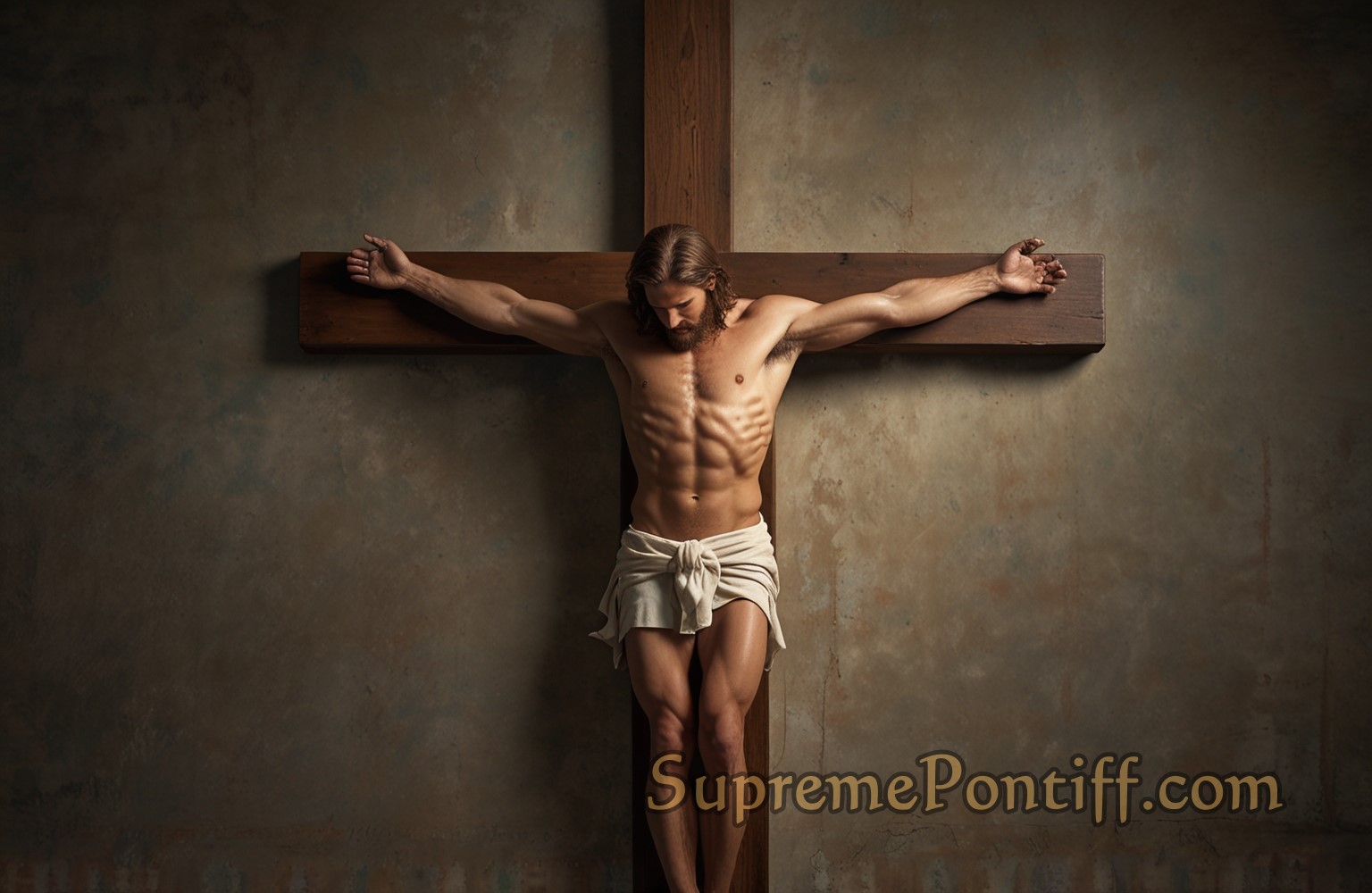
The Body of Christ is one of the most profound metaphors used in Christian theology to describe the Church — its unity, diversity, and collective purpose under the lordship of Jesus Christ. This concept highlights how Christians, though distinct in gifts and backgrounds, form a single, unified spiritual organism dedicated to glorifying God and serving humanity. Below is a thorough exploration of the Body of Christ: its biblical foundation, historical significance, and relevance for believers today.
1. Biblical Foundation of the Body of Christ
a) 1 Corinthians 12:12–27
The Apostle Paul’s first letter to the Corinthians offers one of the clearest explications of the Body of Christ. This passage underscores that, just as a physical body has many parts working together, so does the Church. “For as the body is one, and hath many members … so also is Christ” (1 Corinthians 12:12, KJV). Here, Paul ties our individuality to a shared identity in Jesus: believers are united despite differences in function, background, or personal proclivities.
b) Romans 12:4–8
In Romans, Paul highlights that the members of the Church have different functions: prophecy, service, teaching, exhortation, generosity, leadership, and mercy. He states that though believers do not share the same roles, they share a common commitment to Jesus. This variety of service reflects God’s design that diverse gifts should work harmoniously in the Body of Christ.
c) Ephesians 4:1–16
This chapter focuses on maintaining “the unity of the Spirit in the bond of peace” (Ephesians 4:3, KJV). Paul describes pastors, teachers, apostles, prophets, and evangelists as gifts to the Church, each having a part to play in maturing the Body of Christ toward “the measure of the stature of the fulness of Christ” (Ephesians 4:13, KJV).
2. Theological Significance
a) Jesus Christ as the Head
Central to understanding the Church’s identity is recognizing that Jesus, not any human authority, is the Head of the body. In Colossians, Paul affirms Christ’s supremacy by calling Him “the head of the body, the church” (Colossians 1:18). This signals that He alone directs, sustains, and gives life to His people.
b) Unity in Diversity
The notion of “unity in diversity” is foundational. Membership in the Church spans cultures, languages, and social strata. Yet, it is precisely within this diversity that the unity and interconnectedness of the Body of Christ becomes most vivid. When Christians embrace distinct gifts — be it hospitality, leadership, intercessory prayer, or pastoral care — they enrich the Church’s witness to the world.
c) Oneness Through the Holy Spirit
The Holy Spirit, often referred to as the comforter and guide, animates and empowers believers to remain united. Through the indwelling of the Spirit, Christians share a supernatural bond that transcends mere human affiliations. This “oneness” is a divine mystery, reflecting how God can bring together disparate individuals into a single, cooperative organism: the Living Church.
3. Historical and Ecclesiastical Perspectives
a) Early Church Fathers
Church fathers like Ignatius of Antioch and Augustine expanded on Paul’s teachings by urging believers to show mutual love and deference. Their works emphasize that unity is not optional but a defining characteristic of the Church. They often taught that any break in fellowship weakens the Body of Christ and hinders Christian testimony.
b) The Reformation Era
During the Protestant Reformation, the doctrine of the Body of Christ came once again into focus. Leaders like Martin Luther and John Calvin stressed the priesthood of all believers, affirming that every Christian has a direct relationship with God through Christ. This further cemented the idea that each believer, without regard to rank within the Church, is integral to the Body of Christ.
4. Practical Applications for the Modern Church
a) Emphasis on Service
A practical outworking of being the Body of Christ is seen in numerous service-oriented initiatives within local churches. Food pantries, outreaches, missions, and local community engagements reflect Christians working as the hands and feet of Jesus. By exhibiting compassion and generosity, believers embody Christ’s love to the world.
b) Spiritual Gifts in Action
Contemporary churches often offer spiritual gift assessments to encourage believers to discover and exercise their unique contributions — teaching children, interceding for the sick, or guiding worship. Each person’s gift augments the overall functioning of the Body, illustrating how God sufficiently equips the Church to meet internal and external needs.
c) Overcoming Division
Disagreements can arise from cultural or doctrinal differences, yet the New Testament repeatedly commands believers to guard unity. Mature Christians learn to stay rooted in the love and truth of Jesus Christ, putting the Body of Christ first by seeking peace and reconciliation, even when compromise on lesser matters is required.
5. The Church as the Bride of Christ
While “Body of Christ” is the more common metaphor, Scripture also depicts the Church as the “Bride of Christ,” highlighting themes of holiness, devotion, and expectation of the Lord’s return. These two images — the Body and the Bride — complement one another, providing a comprehensive view of the Church’s calling to intimacy with Christ and active service in the world.
6. Current Relevance and Value
a) A Clear Witness to the World
In an age often marked by division, the unified testimony of believers stands out powerfully. People outside the faith can see the tangible presence of love, forgiveness, and reconciliation demonstrated among Christians. This unity offers an enduring apologetic: it shows that the gospel of Jesus truly changes hearts and communities.
b) Promoting Growth and Maturity
Through modern discipleship initiatives, small groups, and Christian educational resources, the Church continues to grow in knowledge, wisdom, and service. By recognizing the importance of each member’s function, the Church can focus on equipping the saints for the work of the ministry, consistent with Ephesians 4:12.
c) Mission and Evangelism
A healthy, united Body of Christ is well-positioned for global missions and evangelistic outreach. Through harmonized efforts — be it church planting, overseas missions, or online evangelism — believers fulfill the Great Commission (Matthew 28:19–20). The unified Body, powered by the Holy Spirit, can reach diverse cultures and contexts with the love of God.
Conclusion
The metaphor of the Church as the Body of Christ remains a timeless and compelling image for believers today. It unites Christians worldwide under the Headship of Jesus Christ, celebrating people of all backgrounds and walks of life joined together by the redemptive power of the gospel. Deeply rooted in Scripture — from 1 Corinthians 12 to Ephesians 4 — this concept challenges every believer to recognize his or her God-given gifts and to serve with love, humility, and unity. By reflecting the character and mission of Christ through harmony and mutual care, the Church becomes a radiant witness to the world and a blessing to all who encounter its life-giving presence. Truly, being part of the Body of Christ is both a privilege and a divine calling that resonates throughout every generation.



Leave a Reply