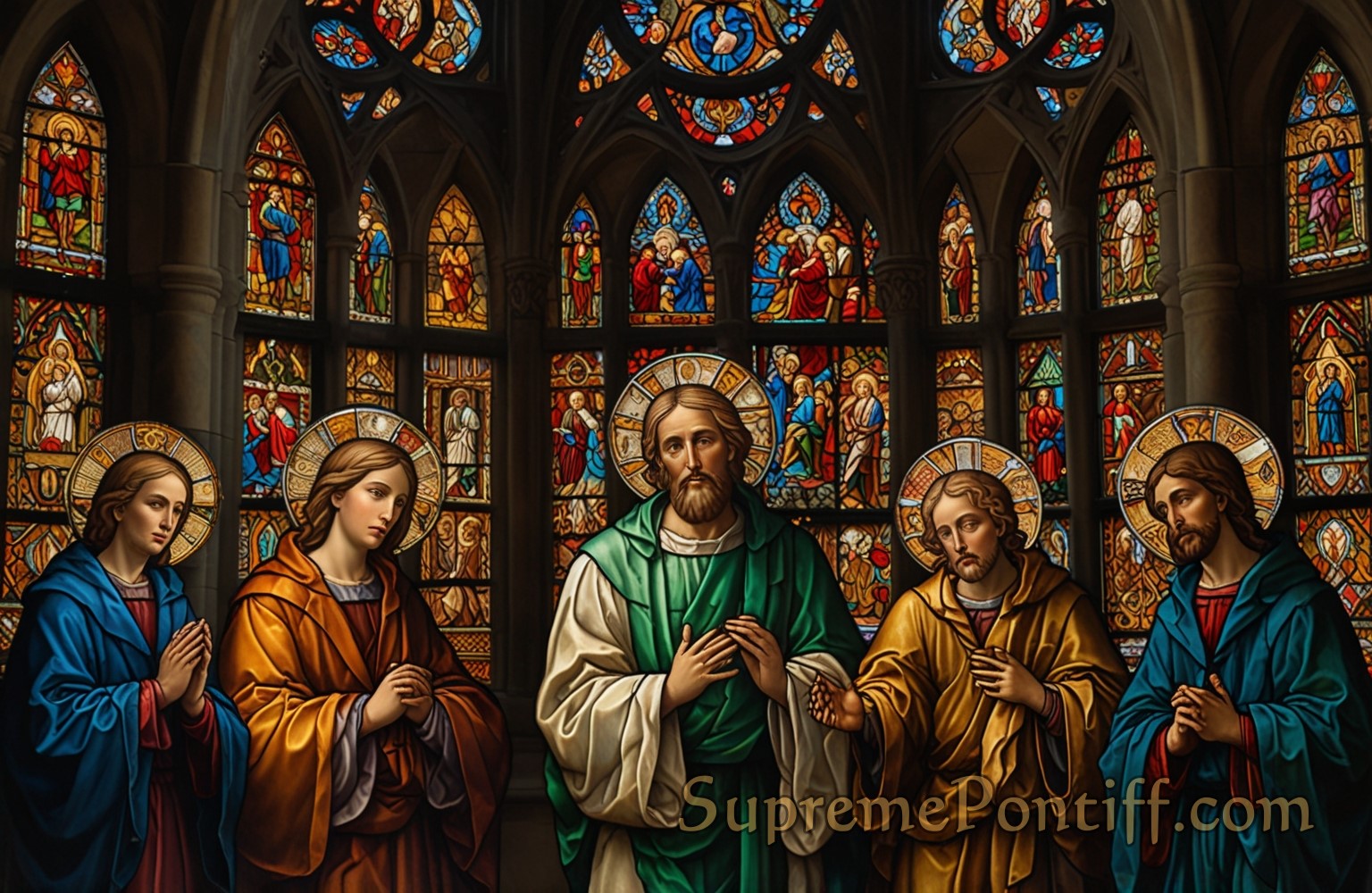
When Christianity emerged in the ancient world, it did not do so as merely another religion to be cataloged among the mundane. Rather, it rose as a transformative movement, guided by the Holy Spirit, marked by profound convictions and relentless courage. The early Christian Church, from its inception during the earthly ministry of Jesus Christ to its subsequent spread throughout the Roman Empire and beyond, is a testimony to the power of truth, faith, and divine purpose. This article explores the essential aspects of the early Christian Church, illustrating how its foundational years were pivotal not only in religious terms but also in shaping the course of world history.
The Birth of the Church
The early Christian Church began with Jesus Christ and His disciples. After His resurrection and ascension, Jesus sent the Holy Spirit to guide and empower His followers during the feast of Pentecost, an event marking the formal birth of the Church. The apostles, filled with the Holy Spirit, began preaching the Gospel fervently, starting in Jerusalem. The book of Acts records miraculous growth as three thousand souls were added to their number following the first sermon given by Peter, the apostle. This event signals not only numerical increase but also the paradigmatic shift in how God interacted with His people – intimately, powerfully, within the community of believers known as the Church.
Structure and Leadership
Initially, the Church was structured organically with the apostles acting as the primary leaders. As numbers swelled, a more organized hierarchy emerged. Elders and deacons were appointed to oversee various needs and administrative responsibilities, ensuring that the spiritual and practical elements of church life were adequately attended to. The role of these leaders was pivotal: they maintained doctrinal purity, guided the community in liturgical practices, and managed disputes and disciplinary issues within the body of believers.
Teachings and Doctrine
Doctrine in the early Church was rooted in the teachings of Jesus Christ and the apostles. The early believers adhered to the teachings passed down (the “Apostolic Tradition“), which included the interpretation of the Hebrew Scriptures, the sayings of Jesus, and writings of the apostles, later to become the New Testament. Central doctrines included the Trinity, the Incarnation, Salvation through Jesus Christ, and the Resurrection of the dead. These teachings were not merely religious tenets but were understood as revelations of divine truth, transforming how individuals and communities understood themselves and their place in the universe.
Worship and Sacraments
Worship in the early Christian Church was a blend of Word (preaching) and sacrament (physical rites believed to confer God’s grace). Central to their worship was the Eucharist, considered both a commemoration of Jesus’ Last Supper and a participation in the grace it signified. Baptism was another foundational sacrament, symbolizing the believer’s death to sin and new life in Christ. These sacraments and others were seen as vital means by which God’s grace was apprehensively dispensed to believers.
Persecution and Expansion
The early Church faced sporadic yet intense periods of persecution at the hands of Jewish authorities and Roman rulers. Far from stifling the Church’s growth, persecution seemed to strengthen the resolve of the believers, deepening their faith and spreading their evangelical efforts. The blood of martyrs, like Stephen and later polycarp, became the seed for the Church’s expansion. By the second century, Christianity had spread to most of the Roman Empire and beyond, reflecting a universality in its message that transcended ethnic and cultural boundaries.
Theological Development and Councils
As the Church grew, so did challenges in the form of heresies and doctrinal disputes. Early church fathers like Irenaeus and Tertullian defended orthodox Christian beliefs with theological treatises. Councils, such as the Council of Nicaea in 325 AD, were convened to address and settle doctrinal controversies – most notably the precise nature of Christ’s divinity. These councils were instrumental in defining and preserving the apostolic faith for future generations.
Conclusion
The story of the early Christian Church is one of divine providence and human fidelity. It is a narrative marked by miraculous signs, profound sacrifices, and unwavering commitment to the Gospel of Jesus Christ. The early Christians set a framework of faith that has endured centuries, bearing witness to the truth and power of the Christian message. This initial unfolding of the Church’s history is not just a relic of religious tradition, but a continued call to faith, resilience, and living hope. The early Church, with its depth of faith and breadth of vision, remains a beacon to all who seek truth and purpose in the embrace of the living God.
Leave a Reply