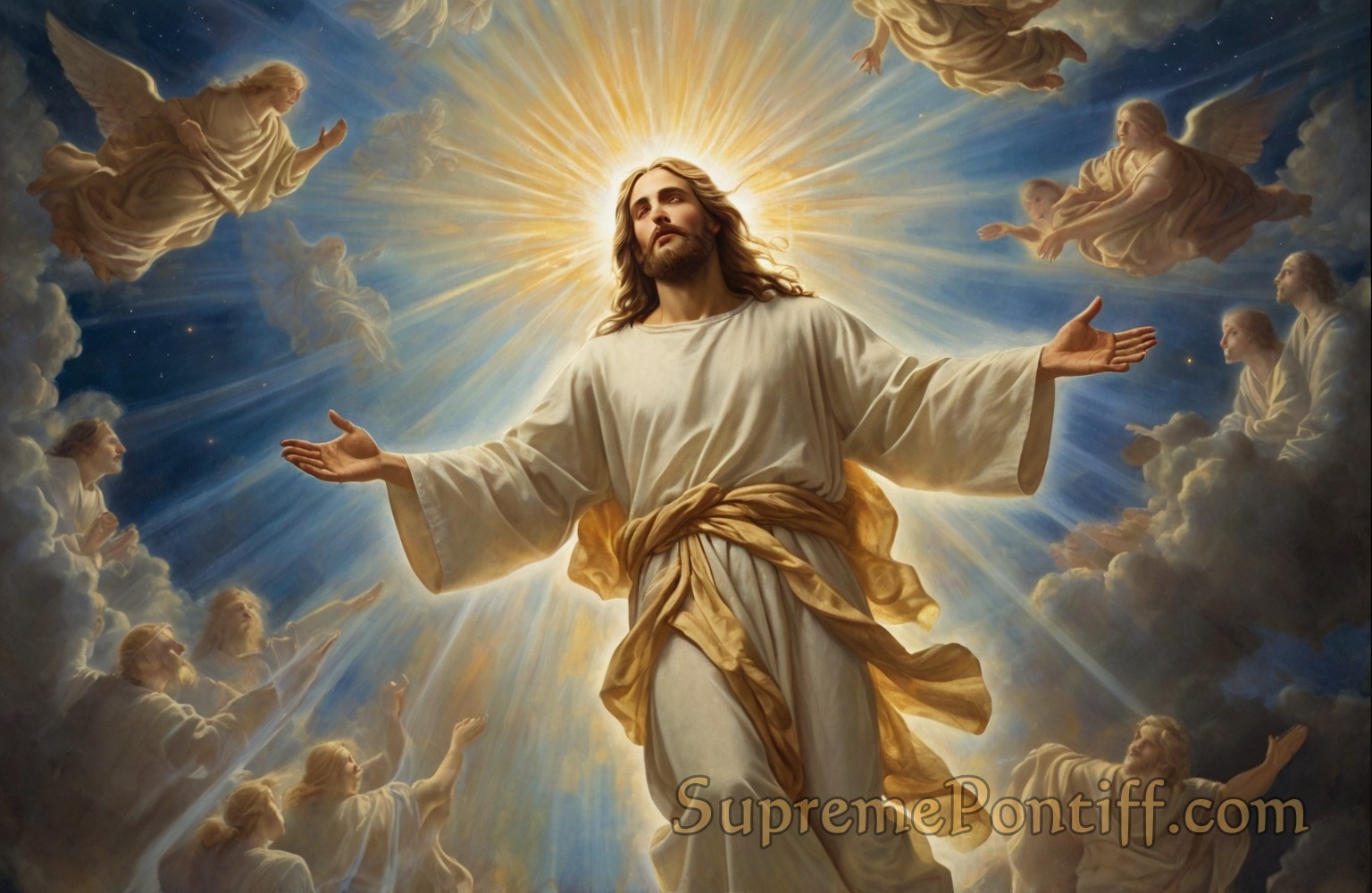
Ascension Day is a profoundly significant event in the Christian liturgical calendar, celebrated by believers worldwide with deep reverence and joy. This holy day commemorates the ascension of Jesus Christ into heaven, marking the culmination of His earthly ministry and the fulfillment of His divine mission. It is an observance that encapsulates the glory and majesty of Christ, His victory over death, and His eternal reign. In this article, we will explore the historical, theological, and spiritual dimensions of Ascension Day, reflecting on its enduring significance for Christians everywhere.
Biblical Foundation of Ascension Day
The account of Christ’s ascension is rooted in biblical narrative, with its most detailed descriptions found in the New Testament, specifically in the books of Acts and Luke. In Acts 1:9-11, the event is vividly depicted as occurring on the Mount of Olives, where Jesus, in the presence of His disciples, was taken up into a cloud and ascended into heaven. This miraculous event took place forty days after His resurrection, reinforcing the sacred timeline post-Easter.
Luke 24:50-53 also details this momentous occasion, emphasizing Christ’s act of blessing His disciples before His departure — an enduring testament to His love and providential care. The imagery of Jesus ascending is not merely an event of departure but a triumphant enthronement, affirming His position at the right hand of God the Father, highlighting His divinity and kingship.
Theological Significance of Ascension Day
Theologically, Ascension Day is rich with profound implications for Christian faith and doctrine. It signifies the completion of Jesus’ redemptive work on earth and His exaltation as Lord and King. The ascension affirms the dual nature of Christ, fully human and fully divine, as He returns to His heavenly abode, veiled in glory.
Moreover, Christ’s ascent into heaven holds eschatological significance. It marks the inauguration of His intercessory role, where He sits at the right hand of the Father, advocating for mankind. This assures believers that Jesus remains actively involved in their lives, interceding on their behalf (Romans 8:34, Hebrews 7:25).
The ascension also underscores the promise of the Holy Spirit, as Jesus foretold in John 16:7, heralding Pentecost. It signifies the transition from Jesus’ physical presence to His enduring spiritual presence, manifest through the Holy Spirit — empowering the Church to continue His mission.
Liturgical Observance of Ascension Day
Traditionally, Ascension Day is celebrated on the 40th day of Easter, a Thursday, though some denominations observe it on the following Sunday. The day is marked by special church services, where scripture readings reflect on the ascension narrative, accompanied by fervent hymns and prayers. These services serve not only as a time of worship but as a renewal of faith, reinforcing the hope and glory of eternal life.
In many Christian traditions, the observance of Ascension Day is also accompanied by processions symbolizing Christ’s journey into heaven and acts of charity reflecting His compassion and teachings. These traditions embody the spiritual essence of the day—a celebration of Christ’s continued presence through faith and community actions.
Spiritual Impact and Joyous Reflection
For Christians, Ascension Day is not merely a historical event but a day of profound spiritual reflection and joyous celebration. It invites believers to set their hearts on things above (Colossians 3:1-2), embracing the eternal hope granted through Christ’s victory. It is a reminder of their heavenly citizenship, urging them to emulate Christ’s ascended life through acts of love, service, and evangelism.
The ascension assures believers of their own future glorification, as Christ has gone before them to prepare a place (John 14:2-3). It encourages them to live with an eternal perspective, knowing that life on earth is but a prelude to the glory awaiting in heaven.
Conclusion
Ascension Day remains a cornerstone of Christian belief—a day that encapsulates the triumphant return of Jesus Christ to His heavenly domain. It stands as a day of hope, reminding believers of Christ’s kingship and intercessory role, and of the promise yet to come. As Christians commemorate this sacred event, they are called to rejoice in His glory and to continue His mission, alive in hope and love, until that wondrous day of His return.




Leave a Reply