
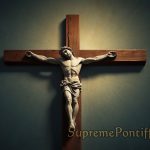
Substitutionary Atonement, also referred to as vicarious atonement, stands at the very heart of Christian theology. From the earliest days of the Church to the present, believers have treasured this doctrine as the foundation of their faith and relationship with God. Substitutionary Atonement asserts that Jesus Christ lovingly offered Himself as humanity’s substitute on the Cross — dying in our place, bearing our sin and guilt, and securing redemption for all who believe in Him. In this article, we will explore the biblical basis, historical development, and profound spiritual implications of Substitutionary Atonement.
1. Biblical Foundations for Substitutionary Atonement
Biblical evidence for Substitutionary Atonement is woven throughout Scripture. This is especially apparent in the prophecies of the Old Testament and the teachings of Jesus and His apostles in the New Testament.
Old Testament Foreshadowing:
- Isaiah 53:5 vividly describes the coming Messiah, declaring, “He was pierced for our transgressions; he was crushed for our iniquities. The punishment that brought us peace was on him, and by his wounds we are healed.” This prophecy is widely understood in Christianity as pointing to Jesus Christ’s sacrificial death, which He endured in our place.
- The sacrificial system described in Leviticus offers a blueprint for understanding vicarious atonement: a spotless animal bore the penalty that would otherwise befall the sinner. This foreshadows the ultimate sacrifice that Jesus would make.
New Testament Fulfillment:
- 1 Peter 2:24 emphasizes that Christ “bore our sins in his body on the cross,” reflecting the substitution He made on our behalf.
- 2 Corinthians 5:21 declares, “God made him who had no sin to be sin for us, so that in him we might become the righteousness of God.” This verse encapsulates the transformative power of Christ’s substitution: our sin is placed upon Jesus, and His righteousness is placed upon believers.
- In Mark 10:45, Jesus speaks of Himself as “the Son of Man,” who “did not come to be served, but to serve, and to give his life as a ransom for many.” The term “ransom” highlights a purchase made on behalf of others, capturing the essence of substitution and redemption.
2. The Historical Development of Vicarious Atonement
While the idea that Christ’s death atones for sins has been part of Christian teaching from its earliest days, various Church Fathers and theologians have nuanced this concept over time:
- Early Church Fathers: Figures such as Ignatius of Antioch, Justin Martyr, and Irenaeus upheld the notion that Jesus died for the sins of humanity. Though they may not have used the term Substitutionary Atonement explicitly, their writings uphold the truth that Christ’s sacrifice was necessary for our salvation.
- Medieval Theology: During the Middle Ages, Anselm of Canterbury famously wrote, “Why Did God Become Man?” (Cur Deus Homo), establishing one of the first systematic explorations of why God, in Christ, had to die. Anselm reasoned that humanity owed a debt of honor to God that only Christ could repay, reinforcing the idea of substitution.
- Reformation and Post-Reformation: Martin Luther and John Calvin took a robust stance on Substitutionary Atonement, emphasizing that Christ’s death alone suffices to pay humanity’s ransom. The hallmark of Reformation teaching on justification — by faith in Christ — rests upon the understanding that Jesus fully atoned for sin through His vicarious death.
3. Theological Significance and Spiritual Benefits
Christ’s Substitutionary Atonement is far more than a historical event. It forms the basis of the believer’s relationship with God, bringing about tangible spiritual benefits:
- Reconciliation with God: Where once sin separated all people from a holy God, Jesus bridged that gap through His atoning sacrifice, granting believers peace and fellowship with their Creator.
- Forgiveness of Sin: Grounded in Christ’s death in our stead, forgiveness is not merely an abstract concept but a concrete assurance for all who trust in the Savior’s finished work on the Cross.
- Righteous Standing: According to 2 Corinthians 5:21, believers receive the “righteousness of God” as Jesus took on the punishment that was theirs. Through Christ, they stand justified before a holy God.
- Unshakable Hope: The Cross testifies to God’s profound love and mercy, assuring Christians that nothing can thwart His redemptive plan. The Resurrection, which followed Christ’s sacrificial death, confirms the victory of love over sin and death.
4. Practical Relevance in the Christian Life
Understanding Substitutionary Atonement is vital for nurturing a thriving relationship with God and living out genuine Christian discipleship:
- Worship and Gratitude: Recognizing that Christ took our place on the Cross inspires heartfelt devotion, songs of praise, and unwavering thanksgiving. “We love because he first loved us” (1 John 4:19).
- Humility and Love for Others: Substitutionary Atonement underscores the staggering depths of God’s grace. When believers accept God’s unmerited favor, it leads to a humble spirit that delights in serving and loving others sacrificially.
- Assurance in Times of Doubt: Believers can cling to the absolute certainty that Jesus’ sacrificial death covers their sins. This foundational truth provides steadfast comfort and confidence in moments of struggle.
- Motivation for Evangelism: The good news of vicarious atonement compels Christians to share God’s message of redemption with the world, as Christ’s sacrifice testifies to the magnitude of God’s love for humanity.
5. Contemporary Reflections and Ongoing Discussion
Today, skeptics, theologians, and pastors continue to discuss and refine how to best articulate Substitutionary Atonement. Yet for countless Christians worldwide, the core belief remains unchanged: Jesus Christ, the sinless Lamb of God, laid down His life for sinners, paying the penalty they deserved. This reality stands as a clarion call for believers to align their lives with God’s redemptive purposes — living in the light of grace, extending compassion to others, and bearing faithful witness to the gospel.
Conclusion
Substitutionary Atonement, or vicarious atonement, lies at the very center of Christian conviction and identity. From Old Testament foreshadowing to New Testament fulfillment, this doctrine offers an unshakable foundation of hope, gratitude, and spiritual transformation. Jesus’ willing sacrifice on the Cross satisfied divine justice, canceled sin’s condemning power, and opened the way to reconciliation with God for everyone who believes. As Christ’s followers contemplate the magnitude of this precious truth, they are drawn ever closer to the heart of God and empowered to live a life marked by devotion, humility, and unwavering confidence in the saving work of Jesus Christ.



Leave a Reply