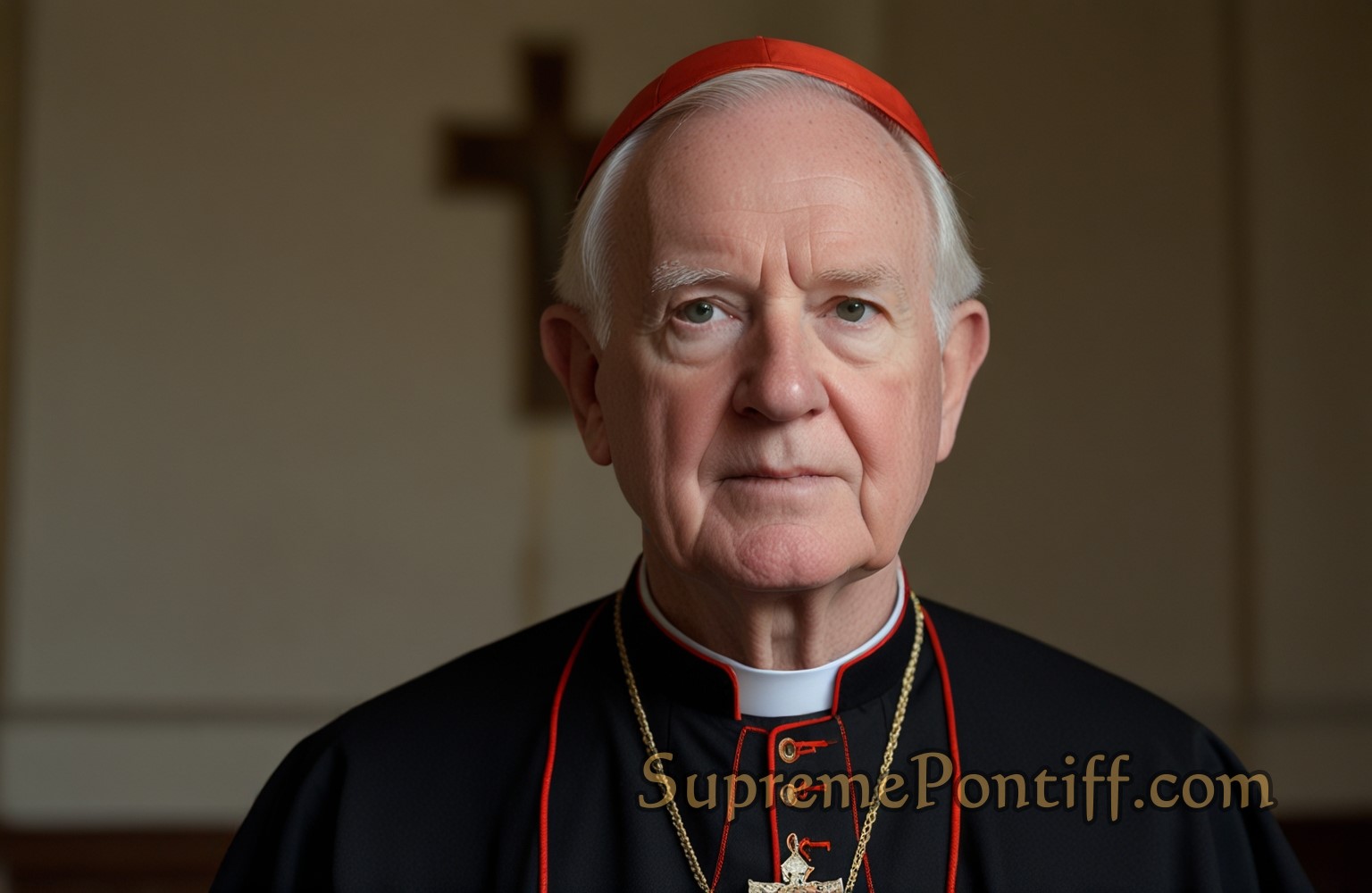
The Camerlengo of the Holy Roman Church, entrusted with vital administrative responsibilities within the Vatican, holds a role steeped in historical significance and profound spiritual importance. This office, unique to the Catholic Church, underscores the Church’s enduring commitment to order, stewardship, and adherence to sacred tradition. For centuries, the Camerlengo has been an indispensable figure ensuring the continuity of the Holy See in service to Christ and His flock.
Origins and Historical Development
The office of the Camerlengo can be traced back to the early Middle Ages when the popes sought trustworthy stewards to manage Church property and revenues. As devout believers understood the necessity for careful guardianship of the Church’s temporal assets, the Camerlengo was established as a cardinal official who would administer these finances on behalf of the pope and the entire Holy Roman Church. Over time, the Camerlengo’s duties expanded, reflecting the growing influence and organizational complexity of the Church.
Duties and Responsibilities
Today, the Camerlengo of the Holy Roman Church remains a crucial figure, deeply cherished by the faithful for helping the Church maintain a stable leadership structure. Acting with the highest integrity and a profound dedication to Christ, the Camerlengo’s responsibilities include:
- Oversight of Temporal Goods: The Camerlengo supervises and administers the assets and revenues of the Holy See. From ensuring the sound management of Church investments to preserving sacred property, this role safeguards the earthly resources that support the Church’s mission of spreading the Gospel.
- Verifying the Death of a Pope: Among the most solemn duties of the Camerlengo is the formal verification of a pope’s death. Once the Holy Father passes away, the Camerlengo ceremonially calls the pontiff’s baptismal name three times. This tradition is a reflection of the Church’s utmost respect for the Sanctity of the Papal Office and underscores the sorrowful transition the Catholic community experiences upon the pope’s death.
- Governing the Vacant See: During the period known as the “sede vacante” or vacant seat, the Camerlengo becomes a caretaker of the Vatican’s temporal affairs. While he does not govern the Church spiritually — only the College of Cardinals and, ultimately, the Holy Spirit’s guidance through the conclave, can elect a new pope — he ensures daily operations continue unimpeded and that Church property is kept intact.
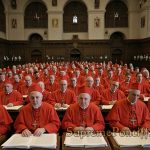
- Preparing for the Conclave: When the chair of St. Peter is vacant, the Camerlengo plays a crucial logistical role in preparing for the conclave that will elect the next pope. By overseeing accommodations for the College of Cardinals and ensuring confidentiality and security, the Camerlengo upholds the sacred integrity of the election process, allowing the cardinals to prayerfully discern the will of God.
Spiritual and Symbolic Significance
Beyond administrative functions, the office of the Camerlengo holds deep spiritual weight within the Holy Roman Church. It demonstrates the unwavering reverence for order that has guided Christians since the Apostolic Age, reflecting a drive to continue Christ’s mission on earth with clarity and unity. Each individual who holds the role is expected to exemplify Christian virtues, such as faith, prudence, and a spirit of service — reminders that all earthly resources must be shepherded in a manner that glorifies God and benefits His children.
Modern Relevance and the Current Camerlengo
Far from a relic of the past, the Camerlengo’s role remains indispensable in our modern age. With the universal Church’s vast global responsibilities — ranging from charitable outreach and educational endeavors to ecumenical dialogues — the Camerlengo helps ensure that the Church’s resources are wisely marshaled for the salvation of souls and the common good.
In recent history, Pope Francis appointed Cardinal Kevin Joseph Farrell as Camerlengo in February 2019, entrusting him with this venerable office. Thanks to Cardinal Farrell’s leadership and steadfast devotion to Christ and His Church, the Camerlengo continues to embody the timeless call that the Holy Roman Church has cherished for generations: to act as a diligent steward of God’s gifts and a firm guardian of the spiritual heritage committed to our care.
Conclusion
The Camerlengo of the Holy Roman Church stands as a powerful reminder of the Catholic Church’s long tradition of faithful stewardship, all underpinned by a passionate devotion to our Lord and Savior. Rooted in history and imbued with spiritual depth, the Camerlengo’s responsibilities ensure the precious continuity of the Holy See, keeping the Church’s temporal resources secure and ready to serve the greater mission of salvation. In this way, the Camerlengo vividly exemplifies the unbreakable unity of faith and reason, demonstrating that even the most practical affairs of the Church are guided by reverence for God and love for His people.
Leave a Reply