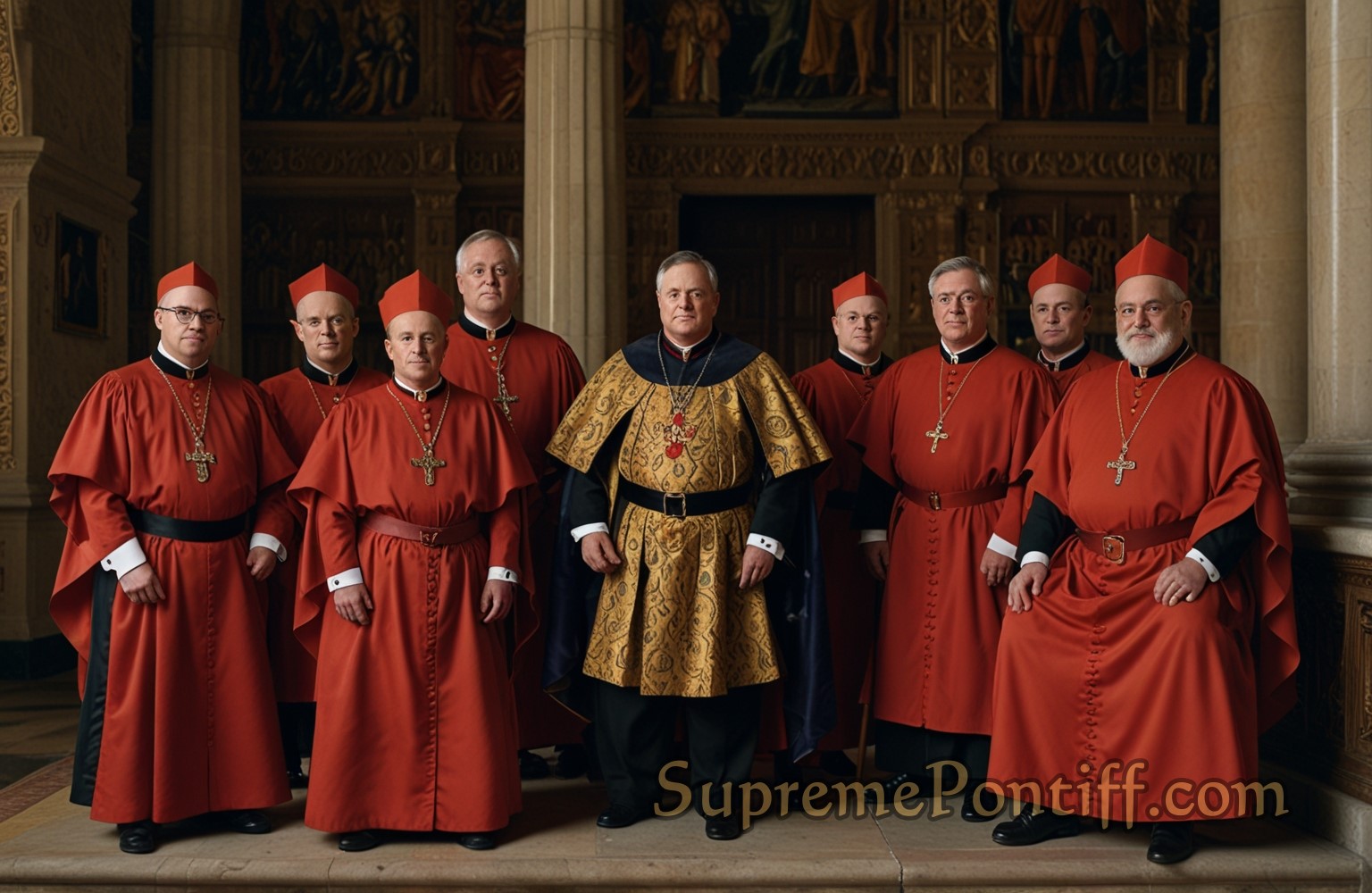
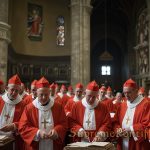
Cardinal-Electors hold a significant role in the Roman Catholic Church, serving as the esteemed members of the College of Cardinals responsible for electing the next pope. Their importance becomes most apparent during a period of sede vacante — the time when the papal seat is vacant, as is the case following the passing of Pope Francis on April 21, 2025. Since the Holy Father’s funeral took place on April 26, 2025, the Church now looks forward to the upcoming papal conclave, in which Cardinal-Electors will gather to choose his successor.
1. Origins and Evolution of Cardinal-Electors
Throughout the centuries, the position of cardinal has become notably intertwined with the governance and identity of the Roman Catholic Church. The tradition of involving cardinals in a papal election traces back to the early 12th century, where it was formalized that only members of the College of Cardinals could cast votes for the new pope. This formalization sought to eliminate political pressures and ensure that devout, theologically grounded ecclesiastics would determine the Church’s future leader.
2. Composition of the College of Cardinals
Today, the College of Cardinals is diverse, reflecting the global nature of the Catholic faith. According to the most recent figures, there are currently 252 cardinals around the world, ranging in age from 45 to 99. While many serve as patriarchs, archbishops, and bishops of major sees, others partake in the administration of the Roman Curia or have distinguished themselves in theological or pastoral service to the universal Church.
3. The Voting Body: Age and Participation
Of these 252 cardinals, 135 are under the age of 80 and are therefore eligible to cast ballots in the upcoming conclave. However, only 133 are expected to exercise their right to vote, as Spanish Cardinal Antonio Cañizares and Kenyan Cardinal John Njue have relinquished their participation due to health concerns. This means that, in the forthcoming election of the successor to Pope Francis, the final tally of Cardinal-Electors will stand at 133.
4. Pope Francis’s Influence on the Electorate
Before his passing, Pope Francis appointed 149 of the current cardinals — an influential majority within the College. Although only those under 80 can vote during the papal conclave, Pope Francis’s appointments include both voting cardinals and those past the voting age threshold. Importantly, cardinals over 80 do still attend the pre-conclave meetings known as general congregations, in which they share their insights and perspectives. Their guidance can shape the overall discourse and subtly influence the voting Cardinal-Electors who ultimately choose the next pontiff.
5. Pre-Conclave Preparations and the General Congregations
In the days following the pope’s funeral, the cardinals convene to organize the conclave and deliberate on the pressing matters the Church faces. These preparatory sessions, called general congregations, provide a platform for every member of the College of Cardinals — voting and non-voting alike — to discuss the state of the Church and outline essential qualities desired in the new Holy Father. During these meetings, themes of evangelization, pastoral care, ecumenism, and global outreach often arise. Although the papal election itself remains solely in the hands of the Cardinal-Electors under 80, the collective wisdom offered by every cardinal can help ensure the new pope leads with a unified vision grounded in service, faith, and hope.
6. The Conclave Process
Once the general congregations have concluded, the voting cardinals proceed into the Sistine Chapel, where the conclave begins in earnest. The cardinals are secluded from external influence to preserve the sanctity of their discernment, balanced by prayer and guided by the Holy Spirit. Throughout this process, ballots are cast in secrecy, and results are tallied meticulously. When a candidate achieves a two-thirds majority, white smoke is released from the Sistine Chapel’s chimney, signaling to the world that a new pope has been elected — thus concluding the conclave.
7. The Enduring Significance of Cardinal-Electors
The unique mission of the Cardinal-Electors is nothing short of foundational for the continuity of the Catholic Church. By combining their pastoral experience, theological grounding, and global outlook, the cardinals reflect the Church’s commitment to unity and doctrinal fidelity. Their pivotal responsibility ensures a smooth transition between pontificates, as they prayerfully discern the leader best suited to shepherd the faithful and address the spiritual and practical needs of Catholics worldwide.
8. Looking to the Future
Even as the Church grieves the loss of Pope Francis, the faithful take comfort in the sturdy framework of ecclesiastical traditions and the revered role of the Cardinal-Electors. The upcoming conclave remains a testament to the Church’s resilience, the unity of believers, and the divine guidance Catholics trust to illumine the next successor to the Chair of Saint Peter. A new pope will soon lead the Church, continuing to proclaim Christ’s message of love, justice, and hope — a rightful celebration of the Christian faith’s enduring vitality.
In summary, Cardinal-Electors stand at the heart of the papal conclave. They embody centuries of rich spiritual heritage, faithful leadership, and international representation. Their votes determine the next pope, perpetuating an unbroken chain of apostolic succession stretching back to Saint Peter. As the College of Cardinals prepares to gather following Pope Francis’s passing, Catholics across the globe pray that the Holy Spirit will guide these electors in choosing a shepherd who will lead Christ’s flock with wisdom, humility, and unwavering faith.
Leave a Reply