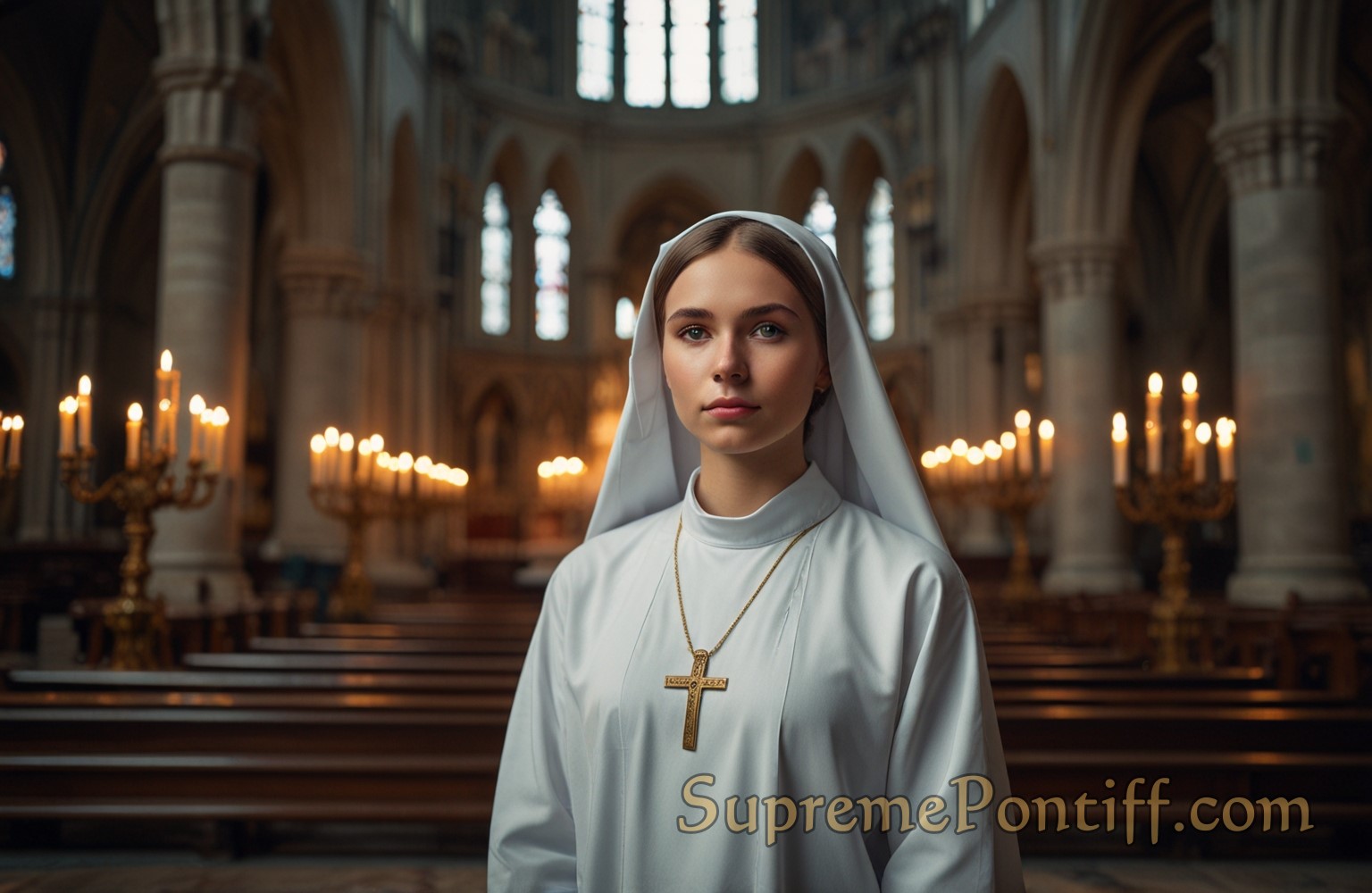
Christianity, the world’s largest religion, has deeply influenced human culture, thought, and history since its origin in the 1st century AD. Today, it boasts over 2.3 billion adherents globally, encompassing a vast spectrum of beliefs and practices across various denominations including Catholicism, Protestantism, and Eastern Orthodoxy among others. This article aims to delve comprehensively into Christianity, exploring its origins, core beliefs, main practices, denominational differences, and its role in shaping world events and individual lives.
1. Origins and Historical Development
Christianity began in the Levant region of the Middle East in the early 1st century AD. It originated from Jewish traditions, with Jesus of Nazareth as its central figure. Christians believe that Jesus was the Messiah prophesied in Jewish scriptures, come to earth to save humanity. The founding events of Christianity include Jesus’ teachings, his crucifixion, death, and belief in his resurrection.
After Jesus’ death, his disciples began spreading his teachings, and Christianity gradually spread throughout the Roman Empire and beyond. The religion’s development was significantly shaped by several councils, such as those at Nicaea in 325 AD, where foundational doctrines such as the doctrine of the Trinity were formalized.
2. Key Beliefs
a. The Trinity
Christians believe in one God in three persons: the Father, the Son (Jesus Christ), and the Holy Spirit. This concept, known as the Trinity, is a cornerstone of Christian theological doctrine.
b. Jesus Christ and the Concept of Salvation
The central belief in Christianity is that Jesus Christ, through his crucifixion and resurrection, provided a means for the reconciliation of mankind with God, offering salvation from sin and its consequences. Acceptance of Jesus as Lord and Savior is believed to grant eternal life with God.
c. Scripture
The Bible, consisting of the Old and New Testaments, is regarded as the authoritative and inspired word of God. It records the history of the Israelites, the life and teachings of Jesus, and the early church.
3. Practices and Sacraments
Christian practices vary widely between denominations but commonly include:
a. Worship
This includes services with prayer, music, a sermon, and readings from Scripture. The sacraments, rites believed to have been instituted by Jesus, are central elements of worship in many denominations.
b. Sacraments
Catholics, Orthodox Christians, and many Protestants recognize sacraments as means of grace. Key sacraments include Baptism (initiation into the faith) and the Eucharist (Communion), in which believers partake in symbols of Jesus’ body and blood.
c. Prayer and Other Observances
Prayer is a vital element in daily Christian life, used for worship, repentance, and request. Moreover, Christians observe several holidays with religious significance such as Christmas (birth of Christ) and Easter (resurrection of Christ).
4. Denominations
a. Roman Catholicism
The largest single Christian body, led by the Pope based in Vatican City. It emphasizes church tradition and the magisterium (teaching authority).
b. Protestantism
Originating in the 16th century Reformation, Protestants emphasize the authority of Scripture over tradition and the priesthood of all believers, and they generally reject papal authority.
c. Eastern Orthodoxy
Similarly to Roman Catholicism in its practices, yet distinct in its emphasis on mysticism, autonomy of regional churches, and the use of icons in worship.
5. Christianity and Culture
Christianity has played a significant role in the development of Western civilization, influencing philosophy, ethics, law, arts, and more. Christian thought contributed to the abolition of slavery, the establishment of universities and hospitals, and notions of human rights and social justice.
6. Challenges and Contemporary Issues
Today, Christianity faces various challenges such as declining membership in traditionally strong areas like Europe, adaptation to a globalized world, engagement with social issues, and growing secularism. The rise of interfaith dialogue, ecumenism, and global missions are among the responses to these challenges, showcasing the religion’s adaptability and enduring influence.
Conclusion
Christianity, with its rich historical heritage and diverse manifestations, continues to be a major influence both on global scales and individual lives. Its teachings of love, redemption, and transformation resonate across different cultures and nations, making it a pivotal force in shaping moral and ethical frameworks worldwide.




Leave a Reply