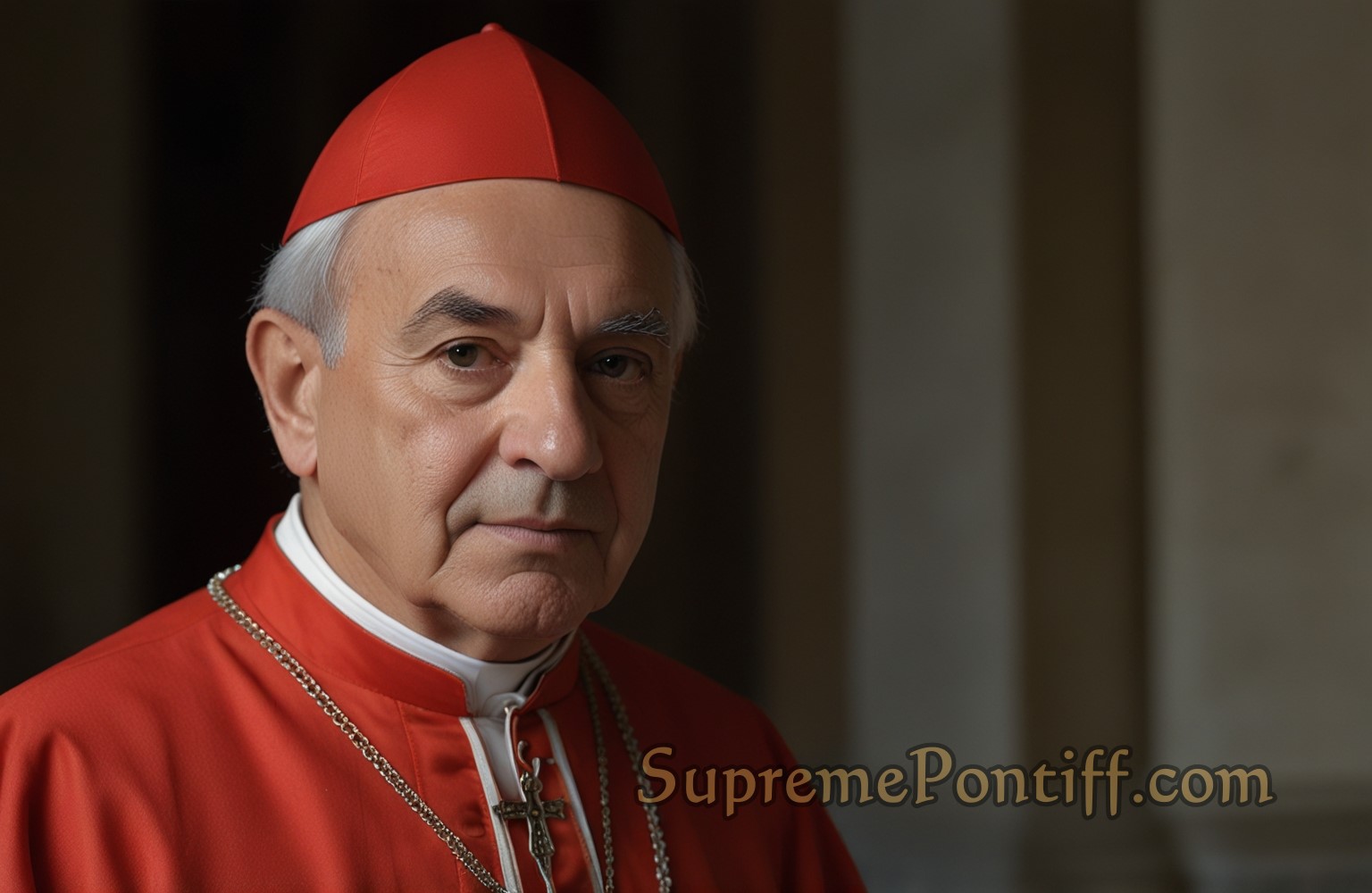
Few institutions in Christendom carry the spiritual weight and historical significance that the College of Cardinals holds within the Catholic Church. As the body of the highest-ranking clergy beneath the Pope, the College of Cardinals plays a crucial role in maintaining Church governance, safeguarding apostolic traditions, and electing new Popes. Among these esteemed leaders, the Vice Dean of the College of Cardinals stands as a pivotal figure, supporting the Dean in guiding their confreres. This article provides an in-depth look at the Vice Dean’s role, responsibilities, and significance, reflecting a Christian understanding of this essential ecclesiastical office.
1. Understanding the College of Cardinals
1.1 The Structure and Purpose
The College of Cardinals is composed of three traditional orders: Cardinal Bishops, Cardinal Priests, and Cardinal Deacons. The Cardinal Bishops are considered the most senior, entrusted with suburbicarian sees (dioceses in the vicinity of Rome), or patriarchal roles for certain Eastern Catholic Churches. By virtue of their supreme responsibility, all Cardinal Bishops collectively appoint from among themselves the Dean of the College of Cardinals, with papal approval. The Vice Dean becomes the second-ranking cardinal in this hierarchy, ready to assume responsibility in the absence or incapacity of the Dean.
1.2 Governing Body and Papal Conclave
The College of Cardinals collectively advises the Holy Father in matters of global Church governance. Perhaps the most notable function of the College is the papal conclave, convened upon the death or resignation of a Pope. There, cardinal electors gather and, in prayerful unity, select the next Supreme Pontiff. Because the Vice Dean remains intimately involved in these deliberations, his position holds enduring and profound importance to the universal Church.
2. The Vice Dean of the College of Cardinals
2.1 Election and Papal Approval
The Vice Dean of the College of Cardinals is chosen by the Cardinal Bishops through an internal election. Once they arrive at a consensus, the results are presented to the Pope, who then confirms the appointment. As with the Dean, the unique and sacred responsibility of the Vice Dean underscores his profound devotion to the faith and his ability to shepherd the College as needed.
2.2 Role and Responsibilities
- Supporting the Dean: The Vice Dean of the College of Cardinals assists and stands by the Dean, ensuring the smooth coordination of meetings, liturgical ceremonies, and administrative duties.
- Acting in the Dean’s Stead: When the Dean is unavailable, the Vice Dean fulfills the Dean’s official duties, presiding over gatherings of the College of Cardinals and representing the senior leadership in key ceremonial functions.
- Upholding Church Traditions: In line with a strongly pro-Christian outlook, the Vice Dean fiercely protects the doctrinal integrity of the Church. By helping to guide fellow cardinals, he fosters unity and continuity within the sacred traditions of Catholicism.
- Papal Conclave Preparation: During the sede vacante (the period when the See of Rome is vacant), the Vice Dean helps ensure that the protocols and liturgical arrangements of the conclave are meticulously observed. This preparatory work nurtures the Church’s prayerful and devout environment, which is vital for electing a new Pope.
3. Historical Perspectives and Notable Vice Deans
Throughout Church history, various esteemed cardinals have carried the title of Vice Dean. Each has contributed to strengthening the Church’s mission and continuity. Although the office may not always garner the same public attention as the Dean, the Vice Dean’s unwavering devotion and steady presence have been vital to shaping robust leadership.
One of the remarkable facets of this position is that, in some eras, the Vice Dean functioned as a critical transitory figure between popes. During changes in pontificates, the Vice Dean’s steady hand, in collaboration with the Dean, helped maintain the Church’s unity and safeguarded its teachings against doctrinal disruptions. This legacy highlights the Vice Dean’s indispensable place in Church governance.
4. Modern Relevance: Continuity and Devotion
4.1 Leadership in the Contemporary Church
In today’s Catholic Church, the Vice Dean of the College of Cardinals continues to represent a source of spiritual leadership, doctrinal clarity, and administrative competence. As the Church faces complex moral and pastoral challenges throughout the world, having a steadfast and faith-filled Vice Dean assures that guidance flows from a wellspring of deep spirituality and unwavering commitment to the Gospel of Christ.
4.2 Faith, Tradition, and Unity
The Vice Dean’s role epitomizes a genuine dedication to preserving the apostolic heritage that the College of Cardinals embodies. Working cooperatively with the Holy Father and fellow cardinals, the Vice Dean helps shape the Church’s path forward. This commitment safeguards essential Christian teachings, encourages ecumenical dialogue, and inspires lay Catholics to deepen their faith.
5. Conclusion
The Vice Dean of the College of Cardinals is indispensable in the life of the Catholic Church. By serving alongside the Dean of the College of Cardinals, the Vice Dean ensures that the cardinalate continues its illustrious mission of electing Popes, strengthening spiritual unity, and upholding the time-honored traditions of Christ’s Holy Church. Antioch to Rome, across continents and millennia, the Church has stood firm on the foundation laid by Christ Himself. From a strongly pro-Christian viewpoint, this office affirms the unwavering commitment of the College of Cardinals to be faithful stewards of the universal Church — upholding sacred teachings, tending God’s flock, and guiding all people toward renewed hope and salvation in Jesus Christ.

Leave a Reply